

How to Get Glowing Skin: Step-by-Step Skincare Guide
You’ve tried the sheet masks, the five-step serums, the trending “glass skin” routines from social media. And yet you look in the mirror and still see dullness staring back at you. That frustration is real, and you’re not alone. If you’re wondering how to get glowing skin, the truth is, most routines fail not because of bad intentions but because they pile on products without a clear, evidence-backed strategy. Daily sunscreen is central to preventing dullness and maintaining lasting radiance, yet it’s the step most people skip. This guide cuts through the noise and walks you through exactly what to use, how to layer it, and what results to expect.
TL;DR:
-
Consistent use of proven ingredients like retinol, vitamin C, niacinamide, and daily sunscreen builds lasting radiance.
-
Building a simple, layered routine focusing on barrier support and hydration yields noticeable glow within weeks.
-
Patience and routine adherence are key, as results from effective products typically appear after four weeks.

Table of Contents
-
Troubleshooting: dealing with irritation, breakouts, and setbacks
-
Take your glow to the next level with science-backed skincare
Key Takeaways
| Point | Details |
|---|---|
| Daily sunscreen is essential | A broad-spectrum SPF is the number one defense against dullness and premature aging. |
| Actives deliver the glow | Retinoids, niacinamide, antioxidants, and ceramides are central to boosting brightness and radiance. |
| Start slow for sensitive skin | If you experience irritation, reduce use of retinoids or aggressive actives and buffer with moisturizer. |
| Track progress for motivation | Visible improvements often appear within four weeks, so note changes and adjust routines as needed. |
What You Need to Get Glowing Skin
Before you start applying anything, let’s talk about what actually belongs in a glow-focused routine. Think of your skincare lineup like a team. Every player has a specific role, and when they work together, the results are spectacular.
Here are the core product categories you need:
-
Sunscreen (SPF 30+): Your non-negotiable. Daily sunscreen is the foundation to prevent dullness and future signs of aging. UV exposure is the number one cause of uneven tone and premature lines.
-
Retinoids (retinol): The gold standard for cell turnover. A great retinol night cream speeds up the shedding of dull, dead skin cells and encourages fresher, brighter ones to surface.
-
Antioxidants (vitamin C, niacinamide): These protect your skin from environmental damage and brighten existing discoloration. Our vitamin C skincare range is a great place to start if you want visible tone correction.
-
Humectants and moisturizers: Hyaluronic acid acts like a sponge, pulling water into the skin. A good moisturizer seals that hydration in and keeps your barrier strong.
-
Ceramides: These lipid barrier builders work hand in hand with retinol and niacinamide to prevent the dryness that actives can sometimes cause.
Key ingredients like retinol, niacinamide, ceramides, sunscreen, and antioxidants are central to increasing brightness and radiance, according to clinical research. What makes this combination especially powerful is the synergy. Retinol accelerates cell turnover, niacinamide calms inflammation and reduces dark spots, and ceramides rebuild the lipid barrier so your skin doesn’t freak out in the process.
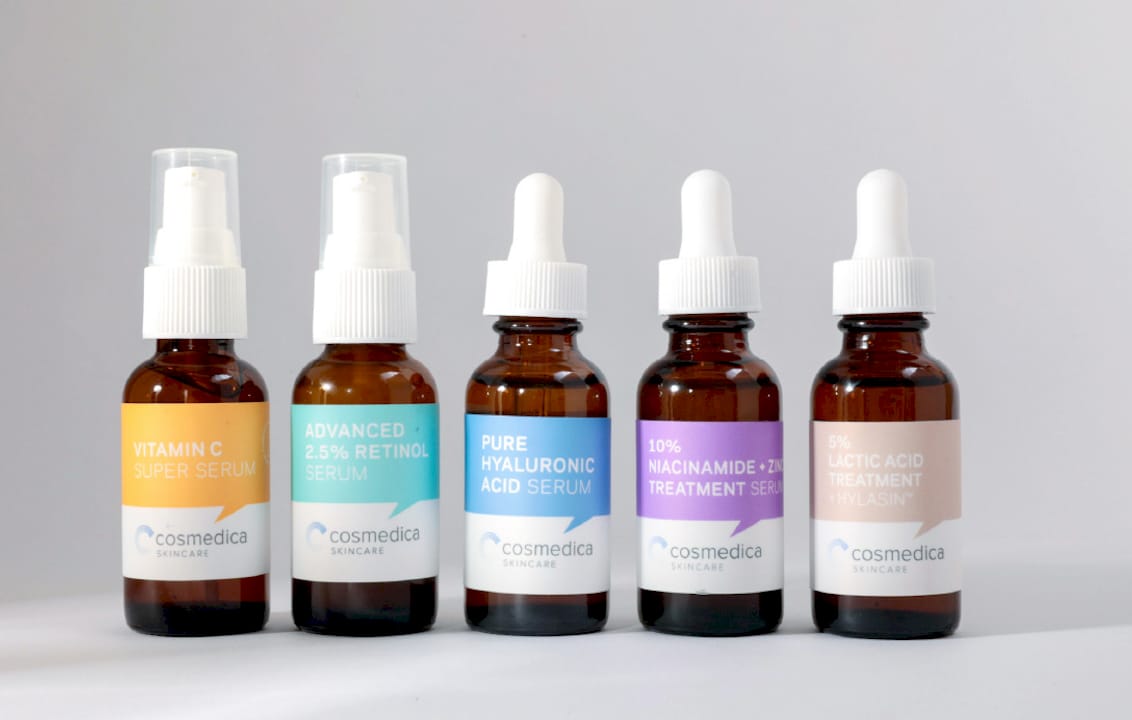
| Product category | Key ingredient(s) | Primary benefit |
|---|---|---|
| Sunscreen | Zinc oxide, titanium dioxide | Prevents UV damage and dullness |
| Retinoid | Retinol, retinaldehyde | Boosts cell turnover and smooths texture |
| Antioxidant | Vitamin C, niacinamide | Brightens tone, reduces oxidative stress |
| Humectant | Hyaluronic acid | Draws moisture deep into the epidermis |
| Barrier support | Ceramides, squalane | Seals hydration, reduces irritation |
Pro Tip: Always patch test a new active ingredient on the inside of your forearm for 48 hours before applying it to your face. Redness or itching at the test site means your skin needs more time to adjust before going all in.
Start slow. Overdoing it with too many actives at once is one of the most common mistakes we see. Your skin barrier is like a protective shield. If you overwhelm it, you end up with irritation that delays your glow instead of speeding it up.
Step-by-Step Routine for Glowing Skin
Now that you have your products, here’s exactly how to use them for the best results. Order matters more than most people realize. Applying products from thinnest to thickest consistency ensures each one can absorb properly without getting blocked by a heavier formula sitting on top of it.
Morning routine
-
Gentle cleanser: Start with a mild, non-stripping formula to wash away overnight oil buildup without disrupting your moisture barrier.
-
Vitamin C serum: Apply your antioxidant serum while your skin is slightly damp. Vitamin C works best in the morning because it shields your skin from daytime pollution and UV damage.
-
Hyaluronic acid serum (if using separately): Pat this on next for that big drink of water. It pulls moisture from the environment right into your skin.
-
Moisturizer: Lock everything in. Choose one with ceramides for extra barrier support.
-
Sunscreen SPF 30+: Always the last step. No exceptions. Even on cloudy or rainy days, UV rays penetrate through and cause cumulative damage.
Evening routine
-
Cleanse again: Double cleansing at night (an oil cleanser followed by a water-based one) removes sunscreen, makeup, and environmental buildup more thoroughly.
-
Toner or essence (optional): A hydrating toner preps your skin to absorb what comes next.
-
Retinol serum or cream: This is where the magic happens. Check out the retinol skin care collection for options suited to beginners through to advanced users. Apply a pea-sized amount across your full face.
-
Niacinamide (if separate from moisturizer): Layered after retinol, niacinamide calms any potential redness and supports your barrier overnight.
-
Moisturizer: Seal everything in with a slightly richer formula than your daytime one.
Consistent retinol use combined with niacinamide and ceramides boosts skin brightness in just weeks, and daily sunscreen ensures that glow actually lasts through each day. Understanding why skin care routines matter from a science perspective can also help you stay committed when you’re not yet seeing visible results.
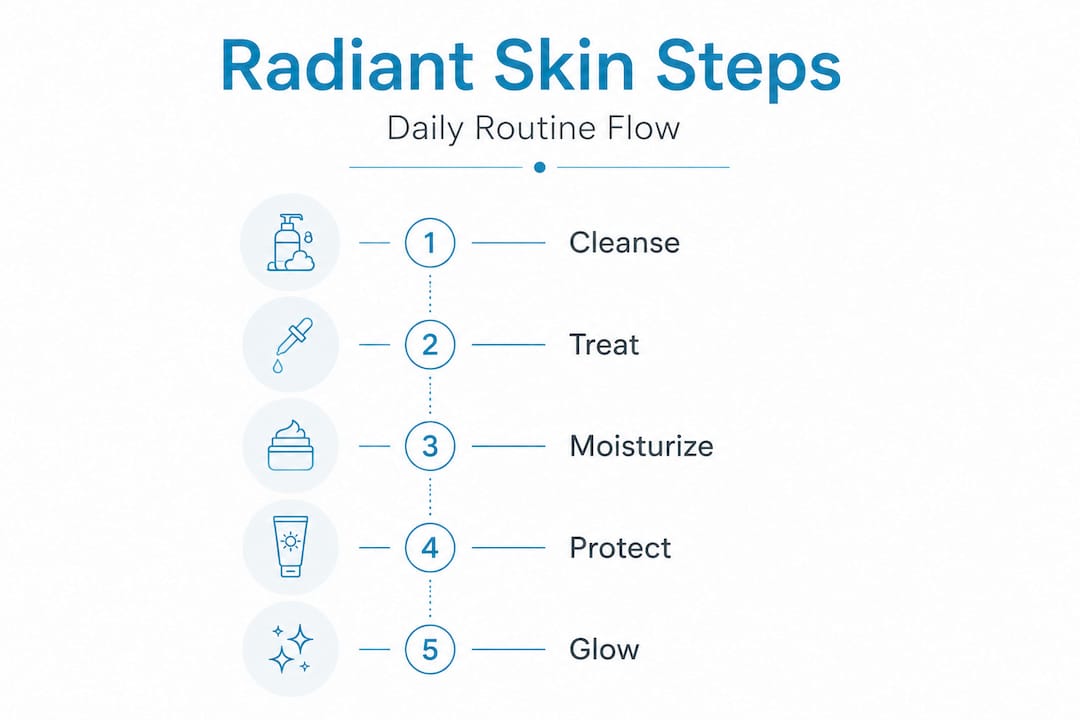
| Step | AM routine | PM routine |
|---|---|---|
| Cleanse | Gentle gel or foam | Double cleanse (oil + water-based) |
| Treat | Vitamin C serum | Retinol serum or cream |
| Hydrate | Hyaluronic acid | Hydrating toner or essence |
| Moisturize | Lightweight moisturizer | Richer night moisturizer |
| Protect | SPF 30+ | None needed |
Pro Tip: Use SPF 30+ every single morning, even on cloudy days. Up to 80% of UV rays still reach your skin through cloud cover. Skipping this step quietly undoes everything else you’re doing.
Don’t forget to explore skin brightening products if uneven tone or dark spots are your main concern. Adding a targeted brightening serum in the AM can amplify everything else in your routine.
Troubleshooting: dealing with irritation, breakouts, and setbacks
Even with the best intentions, your skin might react. That’s not failure. That’s feedback. Here’s what to do if things go sideways.
Warning signs to watch for
-
Redness and stinging: This is your skin’s way of saying “slow down.” Often triggered by layering too many actives at once.
-
Flaking and peeling: Common with retinol, especially in the first two to four weeks. Some flaking is expected, but excessive peeling is a sign to reduce frequency.
-
Purging: When retinol accelerates cell turnover, it can temporarily push clogged pores to the surface, causing a breakout-like phase. This typically resolves within four to six weeks.
-
Worsening breakouts beyond six weeks: This is likely irritation or a product incompatibility, not purging. Time to reassess.
How to adjust your routine
-
If using retinol three nights a week and experiencing dryness: Drop back to one or two nights. Apply a layer of plain moisturizer before your retinol as a buffer.
-
If vitamin C is stinging: Your formula might be too concentrated, or your skin barrier is compromised. Switch to a lower percentage or use niacinamide instead temporarily.
-
If everything feels reactive: Take a “skin reset” approach. Strip back to cleanser, moisturizer, and SPF for one full week before reintroducing actives one at a time.
-
If you have oily or acne-prone skin: Browse products for oily skin that are specifically formulated to deliver actives without clogging pores.
A note from skincare researchers: Redness and peeling with retinoids are clear signals to reduce frequency or buffer the product. Pushing through the discomfort does not speed up results. It can actually worsen barrier damage and trigger post-inflammatory pigmentation, which is far harder to treat than the original concern.
The moment you notice your anti-aging facial care routine causing more harm than good is the moment to pause, not push harder. Protecting your barrier is always the priority. A healthy barrier means your actives can actually do their job.
When in doubt, consult a board-certified dermatologist, especially if redness, burning, or breakouts persist beyond eight weeks of careful adjustments.
How long until you see a glow? Verifying your results
You’ve committed to your new routine. Now comes the hardest part: waiting with realistic expectations. Here’s how long results actually take, and what specific changes to watch for.
What to look for
-
Texture improvements: Skin feels smoother and less rough to the touch. This usually happens first, often within two to three weeks.
-
Brightness and less dullness: Your complexion starts to look more awake and luminous, even without makeup.
-
Softer fine lines: Not gone, but less pronounced. Retinol takes longer for this, typically three to six months of consistent use.
-
More even tone: Dark spots and uneven patches begin to fade gradually.
Tracking your progress
Taking a consistent before photo makes a huge difference. Use natural light, the same time of day, and the same angle every time. A simple skincare journal where you note your routine, any reactions, and observations each week helps you connect what’s working with what you’re seeing.
Clinical results show increased brightness and gloss in just four weeks with the right combination of actives and consistent application. That’s only one month. So if you’ve been at it for two weeks and feel like nothing is happening, give it a little more time.
| Product | When to expect first results | Full results timeline |
|---|---|---|
| Vitamin C serum | 2 to 4 weeks (brightness) | 8 to 12 weeks (tone correction) |
| Retinol | 4 to 6 weeks (texture) | 3 to 6 months (fine lines, firmness) |
| Niacinamide | 2 to 4 weeks (redness, pores) | 8 weeks (dark spots) |
| Hyaluronic acid | Immediate (plumpness, bounce) | Ongoing with consistent use |
| Sunscreen | Immediate (UV protection) | Long-term (prevents new damage) |
If you want to accelerate your results, a targeted retinol serum used consistently three to four nights per week will typically deliver visible improvements faster than a cream alone, because serums penetrate more deeply into the epidermis.
📊 Stat callout: In a clinical study, participants using a formula combining retinol, niacinamide, and ceramides saw measurable improvements in brightness in as little as four weeks. That’s real, trackable change in under a month.
Why most “glow” tips fail and what actually works
Here’s something we think about a lot at Cosmedica: the skincare internet is flooded with fast fixes that feel satisfying in the moment but don’t move the needle on actual skin health.
Highlighters give you an instant glow. Exfoliating scrubs leave you feeling squeaky clean. And trending “miracle” ingredients show up every six months with bold before-and-after claims. But none of these create lasting radiance. They target the surface without addressing what’s happening underneath.
True, lasting glow comes from three things working together. First, reducing underlying inflammation in the skin. Chronic low-grade inflammation, triggered by harsh products, UV damage, or even stress, disrupts cell turnover and makes skin look gray and tired. Second, protecting and reinforcing the lipid barrier. When your barrier is intact, moisture stays in and irritants stay out. Your skin looks plump, smooth, and healthy rather than tight and reactive. Third, using actives that drive real cell turnover. Retinol, vitamin C, and niacinamide are not glamorous. They don’t go viral. But they are the ingredients that consistently deliver surface health and antioxidant protection through daily use.
We’ve seen too many people abandon a well-designed routine at week three because the results weren’t dramatic enough. The truth is, the consistency itself is the strategy. Understanding the hyaluronic acid benefits that underpin deep hydration is a perfect example. HA doesn’t transform your skin overnight. But used every single day, it keeps the epidermis plump enough that actives like retinol work more effectively and with less irritation.
Pro Tip: Hydration is the hidden multiplier in any glow routine. Well-hydrated skin responds better to retinol, absorbs vitamin C more efficiently, and recovers faster from any sensitivity. If your results feel stalled, boosting your hydration layer is often the fastest fix.
Stop chasing the next big thing. Build a boring, consistent routine with proven actives, protect your barrier, and drink enough water. That’s the honest answer.
Take your glow to the next level with science-backed skincare
You now have everything you need to build a routine that actually works. But knowing what to do and having the right formulas are two different things.
At Cosmedica Skincare, every product we make is built around clinically researched actives, transparent ingredient lists, and real-world testing. We don’t chase trends. We formulate for results. If you’re wondering is anti-aging possible, the answer is a confident yes, and our anti-aging facial care collection is designed to make it accessible and effective for every skin type. Start with our retinol skin care collection for proven cell-turnover support, and layer in our hyaluronic acid formulas to keep your barrier hydrated and strong. Your glow is closer than you think.
Frequently asked questions
What ingredients are best for glowing skin?
Dermatologists recommend retinoids, antioxidants like vitamin C, niacinamide, ceramides, and daily sunscreen for visible radiance. These key ingredients improve brightness and gloss while protecting skin from the environmental factors that cause dullness.
How soon will I see results from my new routine?
Most people see improved skin brightness and texture within four weeks with consistent use of evidence-backed products. Clinical data confirms that measurable brightness improvements are achievable within that first month when using the right combination of actives.
What should I do if I get irritation or redness?
Reduce how often you use active ingredients and try buffering irritating steps with a moisturizer applied first. Buffering actives and stepping back from full frequency can prevent further barrier damage that makes irritation worse.
Is sunscreen really necessary for glowing skin?
Daily SPF 30+ is essential to maintain radiance and prevent future dullness and aging. Daily SPF is foundational for both anti-aging results and keeping your glow visible throughout the day.
Can I combine vitamin C and retinol in my routine?
Yes, it’s completely safe and actually ideal to use vitamin C in the morning and retinol at night, since they each work best under their respective conditions and won’t interfere with each other.