

Acne/Blemishes














Frequently Asked Questions
Acne skincare routines work best when they focus on balance rather than harsh treatments. Skin that feels stripped or irritated can become more reactive, which may contribute to additional breakouts and discomfort. Maintaining hydration while addressing congestion helps support healthier looking skin over time.
Gentle Cleansing Helps Reduce Pore Congestion
Cleansing is an important part of any acne skincare routine because oil, sweat, makeup, and buildup can contribute to clogged pores and breakouts. A gentle cleanser helps remove impurities while maintaining the skin’s natural moisture balance. Cleansing twice daily with lukewarm water may help keep the skin feeling balanced, refreshed, and prepared for the rest of a skincare routine.
Hydration Supports a Balanced Complexion
Many people with acne-prone skin avoid moisturizers, but dehydrated skin may produce more oil in response to dryness. Lightweight moisturizers and hydrating serums, especially those with hyaluronic acid, help support hydration without feeling heavy on the skin. Maintaining balanced moisture levels may also help the skin appear calmer, smoother, and more refreshed throughout the day.
Consistency Helps Improve Visible Results
Acne skincare requires patience and consistency. Constantly switching products or overloading the skin with multiple treatments can increase irritation and sensitivity. Using products regularly allows the skin time to adjust to ingredients and maintain balance. Gradual improvement is often more sustainable than aggressive routines that compromise skin comfort.
Building a routine with dependable products can help support long-term skin maintenance while reducing the appearance of congestion and uneven texture. A steady routine may also help the skin feel more comfortable and less reactive.
The best skincare for acne keeps the skin balanced morning and night. Products should help manage oil, maintain hydration, and address the appearance of breakouts without overwhelming the skin.
Morning Routines Help Prepare the Skin for the Day
Morning skincare helps remove overnight oil buildup while preparing the skin for daily environmental exposure. Starting with a gentle cleanser creates a fresh foundation for the rest of the routine.
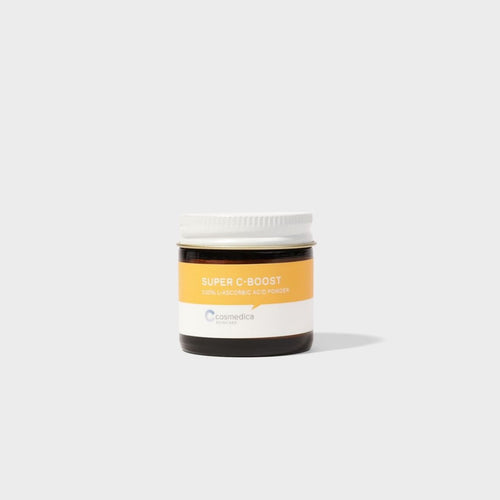
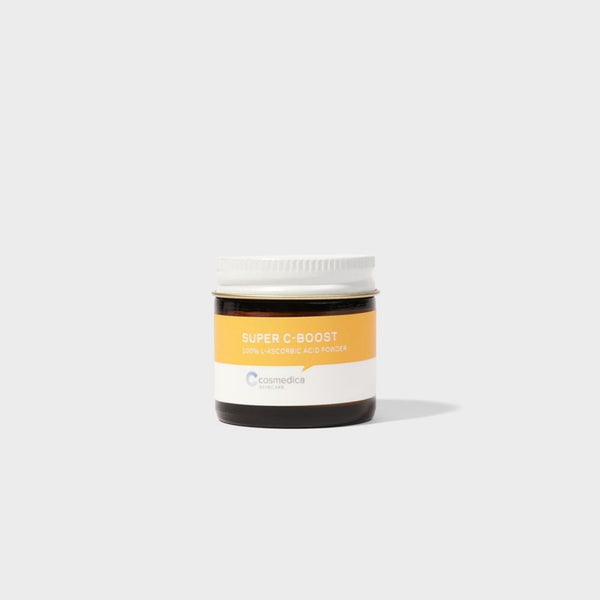
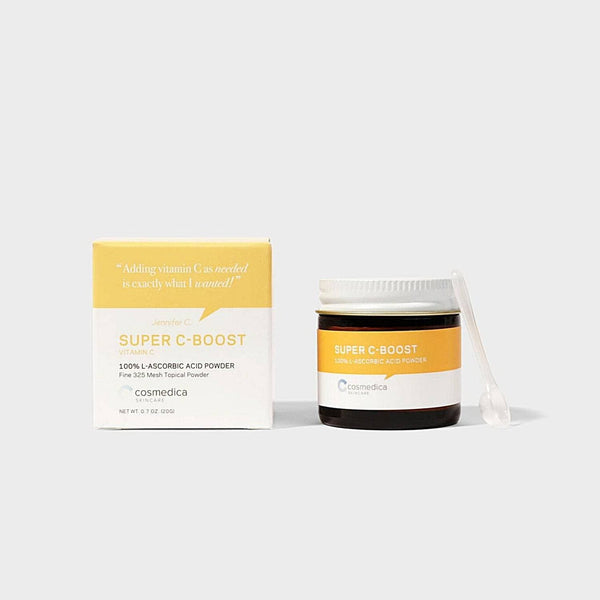
Lightweight serums with antioxidant ingredients may help improve the appearance of dullness and uneven skin tone. Vitamin C is commonly used in skincare routines because it helps support brighter looking skin while complementing hydration-focused products.
Moisturizer and sunscreen are also essential morning steps. Daily sun protection helps reduce the impact of UV exposure, which can worsen visible discoloration left behind by breakouts. Applying skincare products in thin layers may also help improve absorption and all-day comfort.
Evening Skincare Supports Overnight Recovery
Nighttime routines focus on cleansing away makeup, sunscreen, excess oil, and daily buildup. Keeping pores clean overnight may help minimize congestion and build toward smoother-looking skin.
Evening is also a good time to use acne treatment products and hydrating ingredients that restore skin comfort. Applying a moisturizer after treatments helps maintain balance while the skin naturally renews itself overnight. Knowing the root cause of your breakouts can also shape your approach here. Our Fungal vs. Hormonal Acne breakdown covers the key differences in plain, easy-to-apply terms.
Simple Routines Often Work Best
Using too many active ingredients at once may leave the skin feeling irritated or reactive. Routines packed with strong exfoliants and drying treatments can disrupt the skin barrier more than they help it.
Straightforward routines with products that complement each other often create a better balance for acne-prone skin. Cleansing, hydration, targeted treatment, and sunscreen form the foundation of many results-driven routines, and a minimalist approach tends to be easier to maintain over time. Our formulas are built around exactly this philosophy: fewer, better ingredients that maximize results without overwhelming the skin.
Finding the right acne prone skin products can help build a more balanced complexion. Products that combine lightweight hydration with skin-supportive ingredients tend to work well for oily and blemish-prone skin types.
Lightweight Serums Help Maintain Hydration
Serums are a popular addition to acne skincare routines because they deliver concentrated ingredients in lightweight formulas. Hydrating serums absorb quickly into the skin without leaving behind a greasy feeling.
Hyaluronic acid serums are widely used to help maintain moisture while building toward smoother-looking skin. Proper hydration may also help reduce the appearance of dryness that sometimes accompanies acne treatments. Layering a hydrating serum under your moisturizer is one of the most accessible ways to keep skin comfortable while you address congestion.
Consistent use of hydrating products may also help the skin appear smoother and more balanced over time. Giving the skin a reliable hydration layer helps the rest of your routine perform better from step to step.
Non-Comedogenic Moisturizers Support Skin Comfort
Non-comedogenic moisturizers are formulated to minimize the likelihood of clogged pores. These products help maintain hydration while feeling breathable and lightweight on the skin.
Moisturizers designed for acne-prone skin often contain ingredients that soften the skin without adding excess heaviness. A well-formulated non-comedogenic moisturizer seals in the hydration from earlier steps without blocking pores, making it a useful finishing step in any acne-focused routine. Keeping moisture levels balanced also helps maintain the skin barrier, which plays a central role in overall skin health.
Spot Treatments Work Best With Balanced Skincare
Spot treatments can help address individual blemishes, particularly during occasional flare-ups. Applying treatments only to affected areas may help minimize unnecessary irritation on surrounding skin. Our Niacinamide + Zinc Serum is a gentle, targeted formula that helps address visible blemishes while maintaining skin comfort: a clean, paraben-free option that works alongside your existing routine.
Spot treatments tend to show the best results when paired with a complete skincare routine. Hydration, cleansing, and barrier care all contribute to healthier-looking skin overall. Using excessive amounts of treatment products can dry out the skin and create additional sensitivity, so applying them carefully and consistently tends to produce the most balanced results.
Acne treatment products are designed to address congestion, excess oil, and visible blemishes while supporting smoother skin texture. Combining treatments with hydration-focused products may help maintain skin comfort throughout the routine.
Gentle Exfoliation Helps Improve Texture
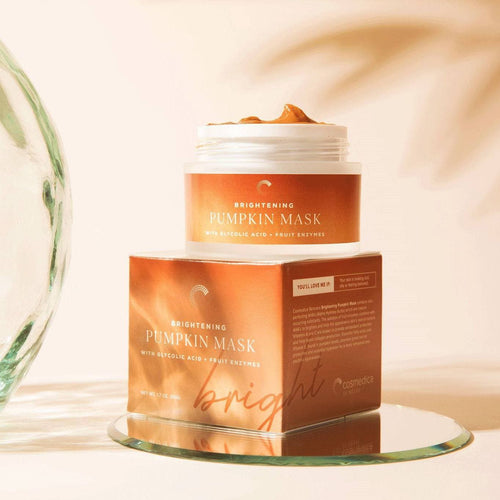
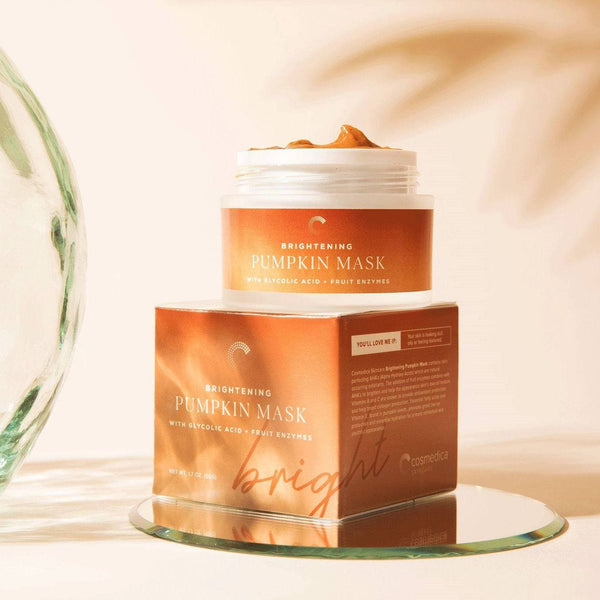
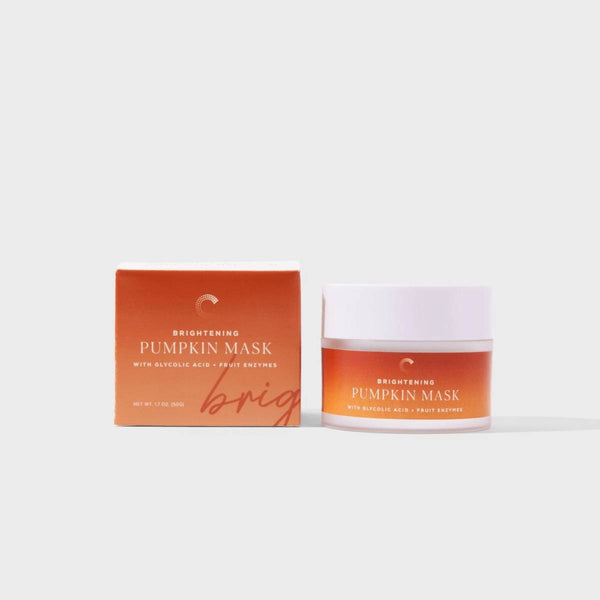
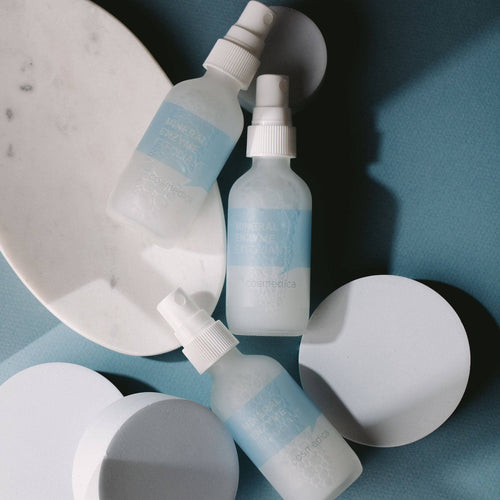
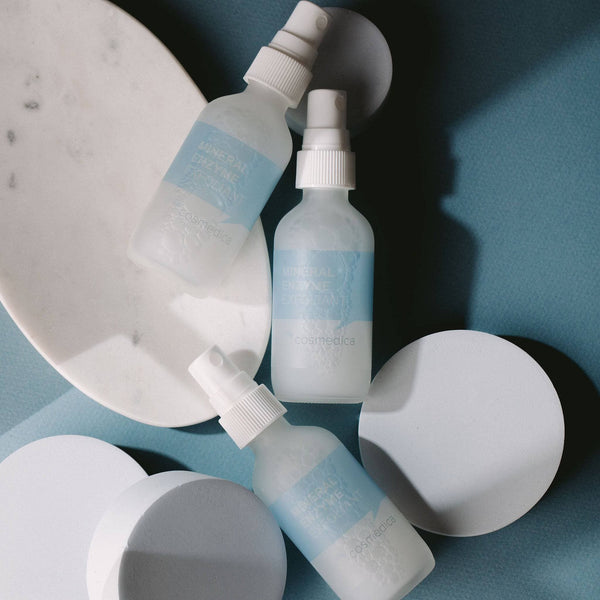
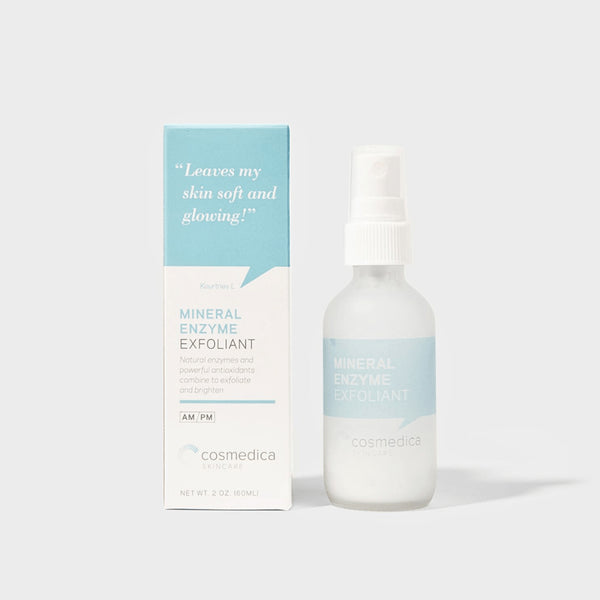
Exfoliation removes dead skin cells that can accumulate on the skin's surface and contribute to clogged pores. Gentle exfoliation may help improve the appearance of uneven texture while brightening the complexion.
Over-exfoliating can weaken the skin barrier and increase irritation, particularly for sensitive or acne-prone skin. Limiting exfoliation to a few times per week may help maintain balance without disrupting skin comfort. Our Glycolic Facial Scrub is formulated to exfoliate gradually, making it a well-suited option for acne-prone skin types looking for a smoother texture without the risk of over-irritation.
Clay Masks Help Refresh Oily Skin
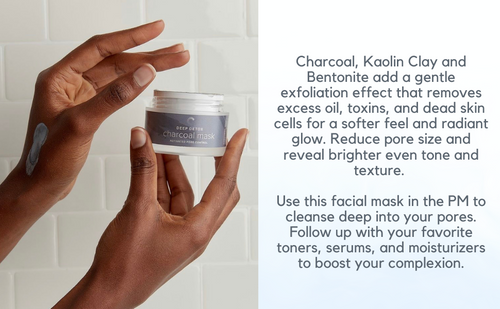
Clay masks are commonly used in acne skincare routines because they help absorb excess oil and refresh congested areas. Skin may appear cleaner and smoother after occasional mask use.
Using clay masks once or twice weekly can complement a balanced skincare routine without creating excessive dryness. Pairing masks with hydrating products may help maintain comfort after treatment. Masks can also help improve the appearance of pores and shine in oily areas of the face.
Hydrating Ingredients Support Treatment Routines
Acne treatments can sometimes leave the skin feeling dry or tight. Including hydrating ingredients in the routine may help maintain moisture balance while supporting overall skin comfort.
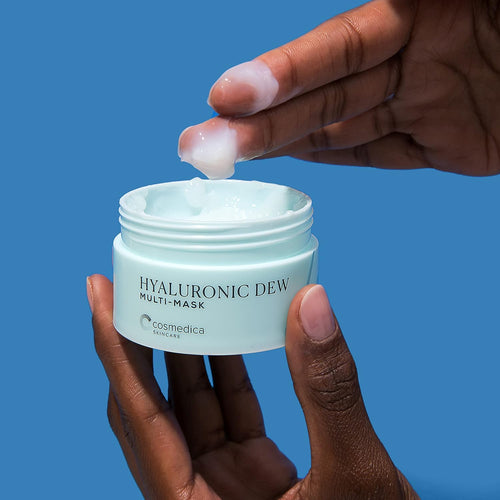
Hyaluronic acid is often used alongside acne-focused products because it provides lightweight hydration that works well for many skin types. Skin that remains hydrated may appear softer, smoother, and less irritated. Supporting hydration while using treatment products helps create a more balanced skincare routine overall.
Natural acne skincare ingredients are often built into routines designed to work alongside sensitive or reactive skin. Plant-based ingredients can help maintain balance while complementing acne-focused products.
Aloe Vera Helps Calm Visible Redness
Aloe vera is widely recognized for its soothing properties and lightweight texture. It is commonly used in skincare products designed to help calm the appearance of irritated skin. For acne-prone skin, soothing ingredients may help improve comfort while maintaining hydration. Aloe vera also works well in lightweight formulations that do not feel heavy on the skin.
Products with calming ingredients can help support skin that feels stressed from environmental exposure or frequent breakouts. Maintaining comfort in the skin may also help improve the overall skincare experience.
Green Tea Extract Supports Skin Balance
Green tea extract is often used in skincare because of its antioxidant properties. It may help improve the appearance of excess oil while supporting a refreshed complexion.
Lightweight products containing green tea extract fit well into both morning and nighttime routines. These formulas are often favored by individuals who prefer skincare that feels breathable and comfortable.
Supporting skin balance is especially important for oily and acne-prone skin types that experience visible shine throughout the day. Balanced skincare habits may also help support a fresher looking complexion.
Botanical Oils Should Be Selected Carefully
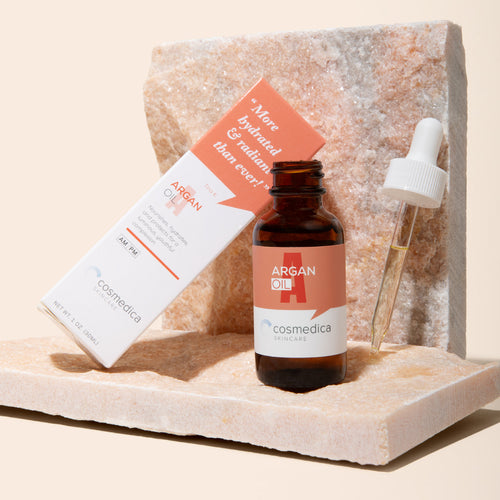
Not every facial oil is ideal for acne-prone skin. Heavy oils may contribute to congestion, while lightweight botanical oils can help nourish and soften the skin. Products specifically formulated for blemish-prone skin are often designed to provide moisture without leaving behind excessive residue. Choosing balanced formulas can help maintain hydration while minimizing heaviness.
Carefully selected skincare products help support smoother and healthier looking skin over time. Lightweight oils paired with hydrating products may help maintain softness without overwhelming the skin.
Daily habits can influence how the skin looks and feels just as much as skincare products. Maintaining a clean and consistent routine may help support clearer looking skin and reduce visible congestion.
Clean Makeup Tools and Bedding Regularly
Makeup brushes, towels, and pillowcases can collect oil, dirt, and residue over time. Regular cleaning helps reduce exposure to buildup that may contribute to clogged pores. Fresh pillowcases and clean makeup tools support a cleaner skincare environment overall. These simple habits can complement a daily skincare routine effectively.
Small changes in routine maintenance may help improve the appearance of acne-prone skin gradually. Maintaining clean skincare tools may also help products apply more evenly across the skin.
Avoid Picking at Blemishes
Touching or picking at breakouts may increase visible redness and irritation. It can also affect skin texture as blemishes heal. Allowing skincare products to work consistently without disrupting the skin helps support a smoother appearance over time. Gentle care is often more beneficial than aggressive treatment methods.
Consistent Routines Support Long-Term Skin Balance
Healthy-looking skin often develops through consistent daily habits rather than temporary solutions. Cleansing, hydration, and supportive skincare products all contribute to maintaining balance.
Creating a manageable routine with products suited for acne-prone skin helps encourage long-term consistency. Over time, consistent care may help improve the appearance of texture, visible congestion, and overall skin clarity. Balanced skincare routines supported by gentle products may help maintain healthier looking skin while promoting a refreshed and comfortable complexion every day.