

Skin Rejuvenation Treatments: Benefits, Methods & Tips
You don't need surgery to turn back the clock on your skin. That's a misconception we hear all the time, and honestly, it keeps a lot of women from exploring options that actually work. Modern skin rejuvenation treatments cover a wide range of safe, non-surgical procedures designed to improve how your skin looks and feels, without the recovery room or the hefty price tag. These non-surgical anti-aging treatments offer a practical anti-aging solution and often represent the best treatments for fine lines and wrinkles when used consistently. Whether you're noticing fine lines in your 30s or dealing with deeper concerns in your 50s, this guide walks you through the methods, the science, and the smart choices, including why hyaluronic acid has become a true game-changer in the anti-aging world.
Table of Contents
- What is skin rejuvenation?
- Types of skin rejuvenation treatments
- The science behind hyaluronic acid in skin rejuvenation
- Results to expect, timelines, and key safety considerations
- A smarter approach to skin rejuvenation: What most women miss
- Ready to get started? Unlock the benefits of skin rejuvenation
- Frequently asked questions

Key Takeaways
What Are Skin Rejuvenation Treatments?
At its core, skin rejuvenation refers to a collection of non-surgical procedures that improve skin quality, combat the visible signs of aging, and enhance your overall appearance. These treatments work by targeting the underlying structures of your skin, specifically collagen and elastin, the proteins responsible for keeping skin firm, smooth, and resilient. As we age, our natural production of both slows down significantly, which is why things like sagging, fine lines, and dullness start to appear.
The good news? Skin rejuvenation stimulates collagen and elastin, improves hydration, evens out texture and tone, and visibly reduces the signs of aging. Think of it as giving your skin the tools it needs to do what it already knows how to do, just better and faster.
For women between 30 and 55, this category of treatment hits a sweet spot. You're old enough to see real changes in your skin but young enough that early intervention makes a dramatic difference. The appeal is also deeply practical. Most non-surgical options require little to no downtime, fit into a busy schedule, and carry far fewer risks than surgical alternatives.
Here's a quick look at what skin rejuvenation can address:
- Fine lines and wrinkles
- Uneven skin tone and pigmentation
- Loss of firmness and elasticity
- Dehydration and dullness
- Enlarged pores and rough texture
- Mild to moderate skin laxity
"Skin rejuvenation isn't about looking like someone else. It's about helping your skin look like the best version of itself."
We also love that the field has shifted toward more natural-looking results. The goal isn't a frozen face or an obvious "procedure" look. It's healthy, glowing skin that reflects how you actually feel. If you're curious about how ingredients like hyaluronic acid fit into this picture, you're already asking the right questions.
Types of skin rejuvenation treatments
Now that you understand what skin rejuvenation means, let's compare the most effective treatments available. The landscape can feel overwhelming at first, but breaking it into categories makes it much easier to navigate.
The main treatment categories include:
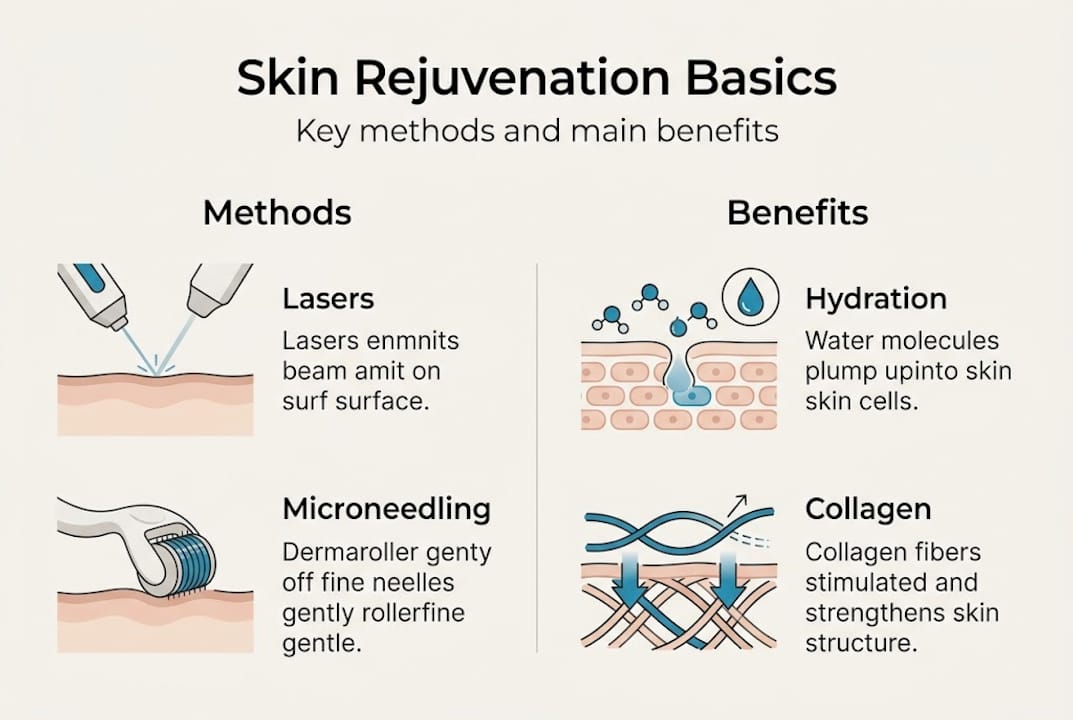
- Energy-based devices: Lasers (ablative, non-ablative, fractional), intense pulsed light (IPL), and radiofrequency (RF) devices use controlled energy to stimulate collagen and address pigmentation, texture, and laxity---often described as laser skin rejuvenation when lasers are used.
- Chemical peels: Exfoliating acids remove damaged outer layers of skin, revealing fresher skin underneath. Great for tone, texture, and mild lines---making a chemical peel for skin rejuvenation a versatile option.
- Microneedling: Tiny needles create micro-injuries that trigger the skin's natural healing response, boosting collagen production. Many providers enhance microneedling results by pairing the procedure with HA.
- Injectables: Hyaluronic acid fillers and biostimulators restore volume, smooth lines, and hydrate from within.
Primary methodologies span lasers, IPL, radiofrequency, chemical peels, microneedling, and injectables like hyaluronic acid, each with its own mechanism and ideal use case.
How to choose the right treatment for your goals:
- Identify your primary concern (lines, pigmentation, laxity, hydration).
- Consider your skin tone and any contraindications (pregnancy, keloids, active skin conditions).
- Research downtime and how it fits your lifestyle.
- Consult a licensed provider for a personalized plan.
- Start with lower-intensity options and layer up as needed.
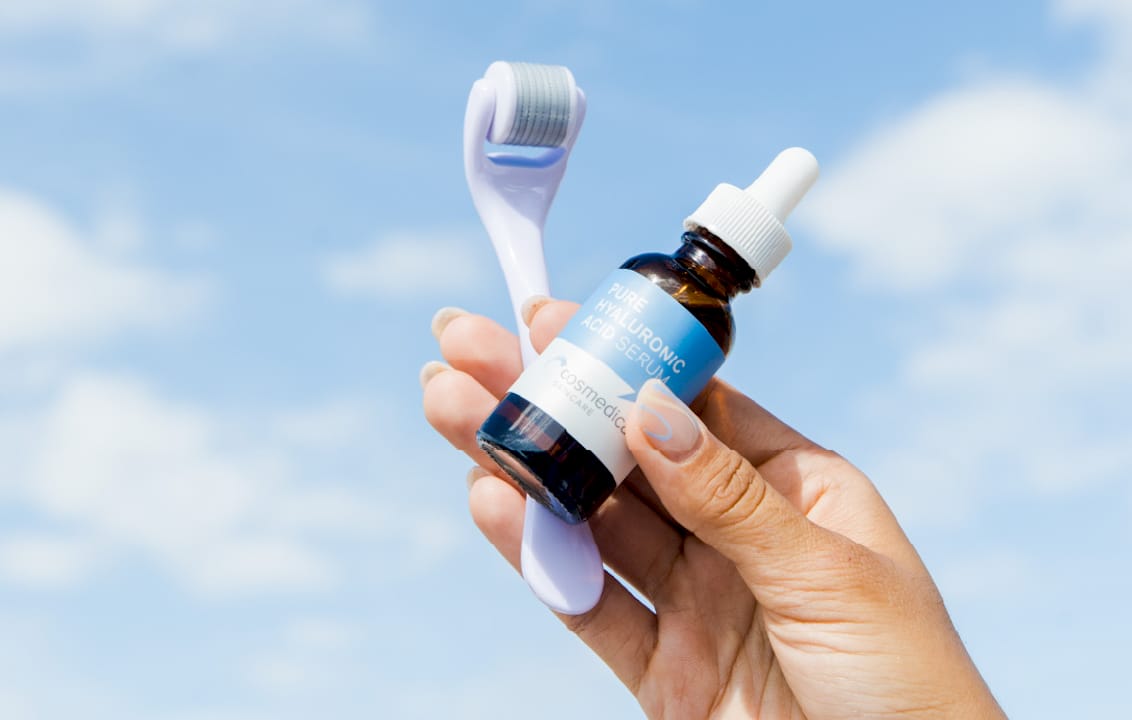
Pro Tip: Combining treatments often produces better results than any single method alone. Pairing microneedling with an HA serum---essentially microneedling with hyaluronic acid---can dramatically amplify hydration and healing. Choose a hyaluronic acid serum to use with microneedling based on your skin type, and look for the best hyaluronic acid serum to use with microneedling if you want maximum comfort and glide. Learn more about the 10 benefits of hyaluronic acid to see how it fits into a layered approach.
The science behind hyaluronic acid in skin rejuvenation
Among all methods, hyaluronic acid (HA) stands out as both an ingredient and a technology. It's one of those rare molecules that works whether you apply it topically or inject it, and the results are backed by solid science.
HA is a naturally occurring sugar molecule found throughout your body, with the highest concentrations in your skin. It acts as a humectant, meaning it draws moisture from the environment and holds it in the skin, like a sponge that never quite dries out. The problem is that HA levels in the skin drop significantly with age, contributing to dryness, volume loss, and the formation of lines.
There are two main forms used in treatment. Non-cross-linked HA is lighter and used in biorevitalization treatments to deeply hydrate and stimulate the skin's own production of collagen. Cross-linked HA is denser and used as a filler to restore volume and smooth deeper lines. Together, they offer a layered approach that addresses both surface hydration and structural support.
Hyaluronic acid plays a key role in skin rejuvenation through hydration, volume restoration, and collagen stimulation, making it especially valuable for women in the 30 to 55 age range who want to preserve their skin's structure before more significant changes occur. This is also why pairing procedures for a targeted hydration boost---like microneedling with hyaluronic acid---can enhance comfort and early healing. Some clinics even offer microneedling lips with hyaluronic acid to softly address fine lip lines; discuss candidacy and safety with a licensed provider.
Research on sodium hyaluronate gel confirms its safety and effectiveness for facial rejuvenation, with measurable improvements in hydration and skin quality. That's not marketing speak. That's peer-reviewed data.
Key HA benefits for skin rejuvenation:
- Deep, lasting hydration that plumps and smooths
- Volume restoration in areas prone to hollowing
- Collagen stimulation for long-term firmness
- Improved skin elasticity and bounce
- Reduction in fine lines with consistent use
- Compatibility with all skin types and tones
Pro Tip: Use a topical anti-aging hyaluronic acid serum daily alongside any professional treatment to maintain hydration between sessions. Our pure hyaluronic acid serum is a great place to start if you want that layered effect at home.
Results to expect, timelines, and key safety considerations
Understanding the science is exciting, but what results should you actually expect, and what do you need to know about staying safe?
Let's start with the numbers. HA injections boost hydration by 10 to 30 a.u., improve elasticity, and reduce wrinkles by up to 24%, with effects lasting 6 to 12 months and over 90% patient satisfaction in clinical studies. That's a meaningful improvement, not a subtle one.
For energy-based and other professional treatments, sessions typically run 3 to 6 visits, spaced 4 to 6 weeks apart. Ablative lasers require 7 to 14 days of downtime, while non-ablative options and injectables involve minimal recovery. Microneedling results vary by device and depth, but many notice smoother texture and increased hydration within weeks.
For a broader look at how devices like ultrasound-based treatments perform, the ultherapy 2026 review offers useful real-world insight.
"The best treatment is the one you'll actually stick with. Consistency matters more than intensity."
Safety is non-negotiable. Here are the key questions to ask before starting any treatment:
- Is this treatment safe for my specific skin tone (Fitzpatrick scale)?
- Do I have any contraindications, such as pregnancy, autoimmune conditions, or a history of keloids?
- What is the provider's experience and certification?
- What is the realistic downtime, and can I accommodate it?
- How many sessions will I need, and what is the total cost?
If you're exploring at-home options, a microneedling treatment set designed for home use can be a gentle entry point before committing to professional procedures.
How to Choose the Best Skin Rejuvenation Treatments
Here's something we've noticed after years of working in the anti-aging skincare space: the women who get the best results aren't the ones chasing the newest treatment or going all in on one aggressive procedure. They're the ones who build a consistent, layered routine and treat their skin like a long-term investment.
The shift toward regenerative approaches that prioritize collagen stimulation and combined modalities is real, and it reflects what we've always believed. Proactive, early treatment for women in their 30s and 40s prevents the kind of advanced aging that's much harder to address later.
Conventional wisdom often pushes women toward dramatic, one-time fixes. But over-treatment can backfire, leading to unnatural results, skin sensitivity, or diminishing returns. The smarter play is synergy: gentle professional treatments combined with daily home care and consistent sun protection.
Pro Tip: Start consulting with a provider in your early 30s, even if you don't feel like you "need" it yet. Understanding your skin's trajectory early gives you options and time. Explore the benefits of hyaluronic acid as a foundational ingredient that supports every stage of that journey.
Think of your skincare routine as a habit, not an event. Small, consistent actions compound over time into genuinely remarkable results.
Benefits of Skin Rejuvenation Treatments for Aging Skin
With this expert perspective in mind, here's how you can take the next step toward healthy, glowing skin.
We know the options can feel like a lot, and that's exactly why we're here. Whether you're just starting to wonder is anti-aging possible or you're ready to build a full routine, we've got resources and products designed specifically for women who want real results without the guesswork. Dive into our guide on the 10 benefits of hyaluronic acid to understand why this molecule belongs in every anti-aging routine. When you're ready to shop, our anti-aging facial care collection is a great place to start. Your skin deserves thoughtful, science-backed care, and we're here for every step of that journey.
Frequently asked questions
Does skin rejuvenation really work for wrinkles and sagging?
Yes. Clinical evidence shows procedures can reduce wrinkles by up to 24% and meaningfully improve skin elasticity when performed consistently with the right treatment for your skin type.
How long do skin rejuvenation results last?
Most non-surgical treatments deliver visible improvements for 6 to 12 months. HA-based treatments typically land at the higher end of that range, especially when combined with a good home care routine.
Is skin rejuvenation safe for darker skin tones?
Many options are safe for all skin tones, but ablative lasers carry extra risk for hypopigmentation in deeper skin tones (Fitzpatrick IV to VI). Non-ablative and HA-based solutions are generally preferred for those skin types.
Can you combine skin rejuvenation treatments safely?
Absolutely. Combining modalities enhances results and is standard practice among experienced providers. Microneedling paired with HA or energy-based treatments layered with topical care are common and effective combinations.
What are the top questions to ask before starting treatment?
Verify your provider's credentials, ask about safety for your specific skin type, confirm expected downtime, and discuss any contraindications like pregnancy or a history of keloids before committing to any procedure.
Does microneedling with hyaluronic acid work?
Yes---when performed correctly, combining the procedure can increase comfort, provide a noticeable hydration boost, and support smoother texture. Results depend on device, depth, and consistency.
Can I use hyaluronic acid with microneedling?
Many people ask, "can i use hyaluronic acid with microneedling?" The answer is generally yes when using a simple, fragrance-free HA formula designed for procedure support. Consult your provider for product selection and timing.
What are the best treatments for fine lines and wrinkles?
The best treatments for fine lines and wrinkles often include a balanced plan: gentle chemical peel for skin rejuvenation, non-ablative laser skin rejuvenation, microneedling with hyaluronic acid, and strategically placed hyaluronic acid fillers---plus diligent sun protection and nightly HA serum use.
Recommended
- Microneedling Retinol Set | Cosmedica Skincare
- Restore Glow | Cosmedica Skincare
- Amazon
- Derma Roller System | Cosmedica Skincare
- Home skincare routine tips: vegan and eco-friendly results -- Didis Beauty Center
Q&A
Question: How do I decide between lasers, peels, microneedling, and injectables?
Short answer: Start with your primary concern (lines, pigmentation, laxity, or hydration), then match it to the modality that targets that goal with a downtime you can realistically handle. Lasers and IPL are great for pigmentation and texture (ablative options have 7–14 days of downtime; non-ablative have minimal), radiofrequency helps with laxity, chemical peels refine tone/texture, microneedling boosts collagen with minimal recovery, and injectables (like hyaluronic acid) add volume and deep hydration. Consider your skin tone and contraindications (e.g., pregnancy, keloids) and consult a licensed provider for a plan you can maintain. A practical approach is to start with lower-intensity options and layer treatments as needed.
Question: What makes hyaluronic acid (HA) a “game-changer,” and what’s the difference between cross-linked and non-cross-linked HA?
Short answer: HA is a naturally occurring humectant that draws and holds water, improving hydration, plumping fine lines, and supporting collagen and elasticity. Non-cross-linked HA is lighter and used to deeply hydrate and biostimulate; cross-linked HA is denser and used as a filler to restore volume and smooth deeper lines. It works both topically (daily serums for ongoing hydration) and via procedures (injections or microneedling pairing) for more pronounced, longer-lasting changes. This layered versatility explains why HA benefits a wide age range, especially 30–55.
Question: How soon will I see results, and how long do they last?
Short answer: Many professional treatments are done in a series of 3–6 sessions spaced 4–6 weeks apart, with early improvements in texture and hydration often visible within weeks. HA injections have shown wrinkle reductions up to 24%, better elasticity, and hydration boosts, with results typically lasting 6–12 months and high patient satisfaction. Ablative lasers require 7–14 days of downtime; non-ablative lasers, microneedling, and injectables usually involve minimal recovery. Consistency across sessions and diligent home care extend and enhance results.
Question: Is skin rejuvenation safe for all skin tones, and what safety checks should I do first?
Short answer: Many options are safe across the Fitzpatrick spectrum, but ablative lasers carry higher risks (like hypopigmentation) for deeper skin tones; non-ablative and HA-based treatments are often preferred. Before starting, confirm: suitability for your skin tone, any contraindications (pregnancy, autoimmune issues, keloid history), your provider’s credentials, realistic downtime, number of sessions, and total cost. Safety and outcome quality hinge on an experienced, licensed provider and a plan tailored to your skin.
Question: Can I combine treatments, and what are smart pairings?
Short answer: Yes—combining modalities is common and can outperform any single method when thoughtfully sequenced. Examples include microneedling paired with a simple, fragrance-free HA serum for comfort and hydration, or energy-based treatments layered with consistent topical care (daily HA, sun protection) to maintain gains. The key is synergy over intensity: avoid aggressive stacking that risks sensitivity or unnatural results and focus on a steady, sustainable plan you’ll stick with.