

Benefits of Face Masks: Your Complete Skin Guide
TL;DR:
- Face masks provide targeted skincare benefits, including hydration, acne reduction, and barrier repair. Clinical research confirms they are safe when used correctly and matched to skin type, making them valuable in daily routines. Proper usage, timing, and ingredient selection optimize their effectiveness for every skin concern.
Face masks are defined as topical skincare treatments applied to the face for a set period to deliver concentrated active ingredients directly to the skin. The benefits of face masks span hydration, acne reduction, improved texture, and barrier repair, all backed by clinical research. A 2023 randomized controlled trial showed significant skin improvements with zero adverse reactions when masks were used correctly. That result matters because it puts the “are masks safe?” debate to rest. When you choose the right formula for your skin type and follow proper usage guidelines, face masks are one of the most effective add-ons in any skincare routine.
1. Benefits of face masks for hydration and skin barrier function
Hydration is the most immediate and measurable advantage of face masks. The mechanism behind it is called occlusion. When a mask sits on your skin, it creates a physical barrier that traps moisture and pushes active ingredients deeper into the epidermis. Think of it like wrapping a dry sponge in plastic wrap after soaking it. The moisture has nowhere to escape, so the skin absorbs more of it.
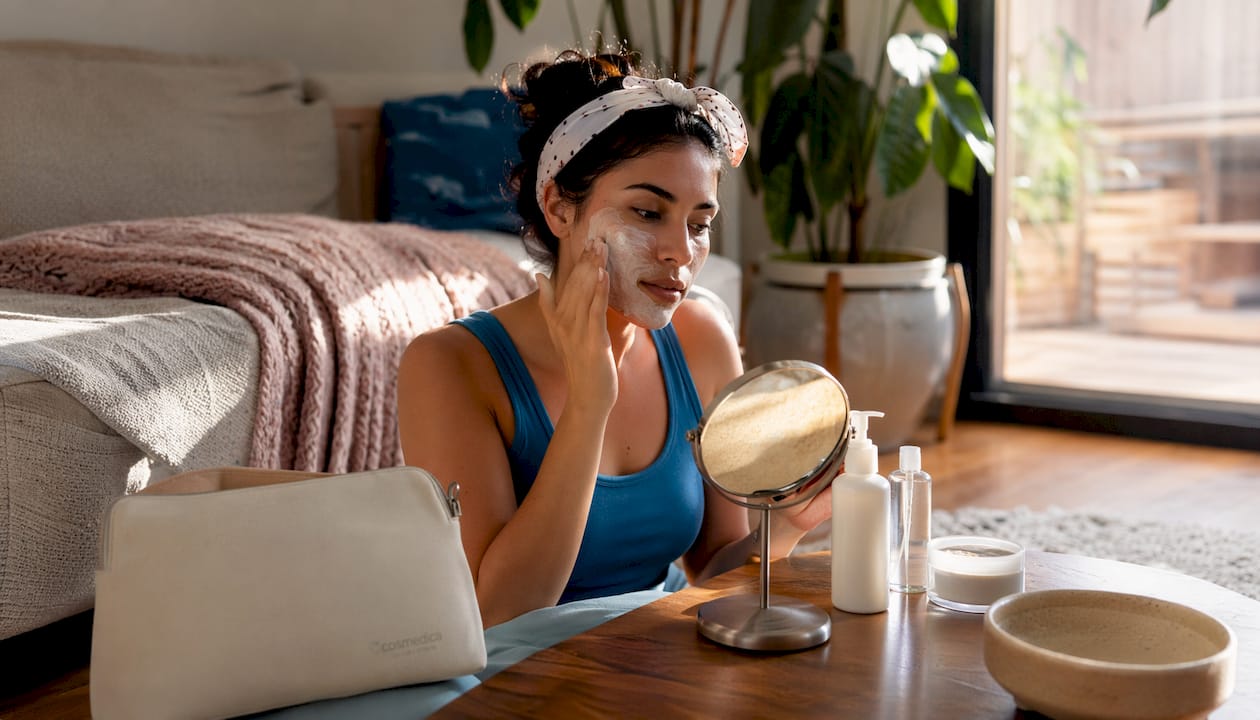
How timing affects hydration
Wear time is the detail most people get wrong. Wearing a mask longer than 25 minutes can actually reverse the hydration benefit. Once the mask dries out or becomes saturated, it starts pulling moisture back out of the skin. That is the opposite of what you want.
Hydrating ingredients like hyaluronic acid work as humectants. They attract water molecules from the environment and from deeper skin layers, then hold them at the surface. A hyaluronic acid face mask delivers this ingredient in a concentrated dose, amplified by the occlusive effect of the mask format itself.
Sheet masks vs. cream masks work differently. Sheet masks deliver a fixed dose of serum and are best used within the recommended time window of 15–20 minutes. Cream masks allow more flexibility because they do not dry out as quickly, making them a better fit for overnight use or longer treatment sessions.
Pro Tip: Remove your sheet mask before it dries completely. A slightly damp mask is still working. A dry mask is pulling moisture back out.
Key hydration benefits at a glance:
- Occlusion traps moisture and improves ingredient absorption
- Hyaluronic acid in masks draws water to the skin’s surface
- Sheet masks work best within 15–20 minutes
- Cream and overnight masks suit longer wear without dryness risk
- Skin barrier repair happens when hydration is consistently maintained
2. What are the benefits of face masks for acne-prone and oily skin?
Face masks reduce acne severity by targeting the root causes: excess sebum, clogged pores, and surface bacteria. Clay and bentonite masks are the workhorses here. They act like magnets for oil, drawing sebum and debris out of pores without scrubbing or irritating the skin.
Clinical evidence supports this. Masks used as an adjunct to acne treatment show measurable improvements in comedones and inflammatory lesions. The key phrase is “adjunct.” Masks work best alongside a consistent cleansing and treatment routine, not as a standalone fix.
Here is how to get the most out of masks for acne-prone skin:
- Choose clay or kaolin formulas. These absorb oil without stripping the skin’s lipid barrier.
- Limit use to 1–2 times per week. More frequent use can damage the skin barrier and trigger rebound oiliness.
- Apply only to oily zones. The T-zone often needs treatment while cheeks do not.
- Avoid masks with fragrance or alcohol. These irritate and break out sensitive or acne-prone skin.
- Follow with a non-comedogenic moisturizer. Clay masks can leave skin feeling tight, and skipping moisturizer signals the skin to produce more oil.
For people managing active breakouts, check out the best face wash for acne-prone skin to pair with your mask routine. Cleansing before masking removes surface debris and lets the mask ingredients work more effectively.
3. In what ways do LED and photobiomodulation masks benefit skin health?
LED face masks use specific wavelengths of light to trigger biological responses in the skin. This is called photobiomodulation, and it is one of the most researched non-invasive skin treatments available today. The results vary significantly depending on the wavelength used.
Blue light is moderately effective for inflammatory acne, targeting the bacteria responsible for breakouts without heat or chemicals. Red and near-infrared light consistently improve signs of photoaging, including fine wrinkles, uneven texture, and skin laxity. These wavelengths penetrate deeper into the dermis and stimulate collagen production.
| Light Color | Wavelength Target | Primary Benefit |
|---|---|---|
| Blue | Surface bacteria | Reduces inflammatory acne |
| Red | Dermis and collagen | Improves texture and fine lines |
| Near-infrared | Deep tissue | Supports cell repair and firmness |
The catch with at-home LED devices is irradiance. Consumer-grade LED masks emit lower irradiance than professional medical devices. That does not make them useless, but it does mean results take longer and may be less dramatic than clinical treatments. Consistency matters more with consumer devices than with professional sessions.
Pro Tip: When shopping for an LED mask, look for published wavelength and fluence specifications. A device that does not list these numbers likely cannot deliver clinical-level results.
Selecting the right LED device requires understanding two parameters: wavelength (measured in nanometers) and fluence (the energy dose delivered to the skin). Without both being in the therapeutic range, the device is essentially a light show with limited skin benefit.
4. How to personalize face mask use based on your skin type
Face masks are not a one-size-fits-all solution. Dermatologists are clear on this point. Using the wrong mask for your skin type can cause irritation, breakouts, or a damaged skin barrier. The good news is that matching a mask to your skin type is straightforward once you know what to look for.
Not sure where your skin falls? Cosmedica-skincare’s skin quiz helps you identify your skin type and find the right mask format in minutes.
Recommendations by skin type
Oily and acne-prone skin:
- Use clay or kaolin masks 1–2 times per week
- Look for salicylic acid or sulfur in the formula
- Avoid heavy creams or occlusive oils that clog pores
Dry and normal skin:
- Use hydrating masks 2–3 times per week
- Daily use is possible with gentle, fragrance-free formulas
- Prioritize hyaluronic acid, ceramides, and glycerin
Sensitive skin:
- Limit masking to once per week
- Choose fragrance-free, soothing masks with calming ingredients like aloe vera or oat extract
- Patch test every new formula on your inner arm before applying to your face
Combination skin:
- Multi-mask by applying a clay formula to the T-zone and a hydrating formula to the cheeks
- This targets two different skin concerns at once without over-treating either zone
Integrating masks into a full routine is just as important as choosing the right one. Mask safety and effectiveness depend on ingredients, wear time, and skin type. Always cleanse before masking and apply sunscreen the morning after any treatment mask. Skipping sunscreen after an exfoliating or active-ingredient mask leaves freshly sensitized skin exposed to UV damage.
For a deeper look at which formats suit which concerns, the guide on types of face masks breaks down every format with specific recommendations.
Key Takeaways
The most effective face mask routine pairs the right formula for your skin type with correct timing, appropriate frequency, and a consistent foundational skincare routine.
| Point | Details |
|---|---|
| Timing is critical | Remove sheet masks before 25 minutes to prevent moisture loss and dryness. |
| Match mask to skin type | Clay for oily skin, hydrating formulas for dry skin, fragrance-free for sensitive skin. |
| Masks complement, not replace | Cleansing, moisturizing, and sunscreen remain the foundation of skin health. |
| LED masks require specifics | Look for published wavelength and fluence data before buying a consumer LED device. |
| Frequency matters | Oily skin benefits from 1–2 masks per week; dry skin can handle 2–3 or daily with gentle formulas. |
What I have learned from years of watching people mask incorrectly
The most common mistake I see is treating face masks like a cure rather than a complement. People reach for a clay mask when they break out, use it every day hoping to clear their skin faster, and end up with a damaged barrier that produces even more oil. That cycle is frustrating and completely avoidable.
The second mistake is chasing trends. Viral “hacks” involving leaving masks on overnight, layering multiple masks without understanding ingredient interactions, or using DIY kitchen ingredients as masks are genuinely risky. Your skin barrier is not forgiving of repeated insults, and rebuilding it takes weeks.
What actually works is boring by comparison. Masks as adjunctive care mean they sit on top of a solid foundation: a gentle cleanser, a well-formulated moisturizer, and daily SPF. Add a mask two or three times a week that targets your specific concern, and you will see real results within a month.
The LED mask space deserves a special mention. I have seen people spend significant money on consumer devices that list no wavelength or fluence data. A device that does not publish these numbers is not a therapeutic tool. It is a skincare accessory. That distinction matters when you are making a purchasing decision.
My honest recommendation is to start simple. Pick one mask format, use it consistently for four weeks, and track your skin’s response. Adjust from there. Skin responds to consistency far more than it responds to variety.
— Thomas
Cosmedica-skincare has masks built for your skin’s actual needs
Cosmedica-skincare’s full face mask collection covers every skin concern covered in this article, from clay-based formulas for oily skin to deeply hydrating treatments for dry and dull complexions. Each product is cruelty-free, dermatologist-tested, and formulated without unnecessary irritants like fragrance or alcohol. The Hyaluronic Dew Multi-Mask is a standout for anyone dealing with dehydration or uneven texture. Pair any mask with a complementary serum or moisturizer from the complete skincare routine collection to get the full benefit of every masking session.
FAQ
How often should I use a face mask?
Frequency depends on your skin type. Oily and acne-prone skin benefits from 1–2 treatment masks per week, while dry skin can use hydrating masks 2–3 times weekly or daily with gentle formulas.
Can face masks replace my regular skincare routine?
No. Masks work as adjunctive care and complement but do not replace cleansing, moisturizing, and sunscreen. They enhance your routine rather than substitute for it.
How long should I leave a face mask on?
Keep sheet masks on for 15–20 minutes and remove before they dry out. Leaving a mask on beyond 25 minutes can cause moisture to evaporate from the skin, reversing the hydration benefit.
Are LED face masks worth buying?
Consumer LED masks can improve acne and texture with consistent use, but they deliver lower irradiance than professional devices. Look for devices that publish their wavelength and fluence specifications before purchasing.
What ingredients should I avoid in face masks?
Avoid masks containing fragrance, alcohol, or harsh exfoliants if you have sensitive or acne-prone skin. These ingredients can damage the skin barrier and trigger irritation or breakouts with regular use.