

Anti Wrinkle Solutions List: Best Treatments for Women
TL;DR:
- Effective anti-wrinkle strategies combine skincare, clinical treatments, and lifestyle habits for best results. Consistent use of retinoids, peptide serums, antioxidant protection, and sun care slows skin aging and improves appearance. Combining all approaches over time is essential to achieve lasting wrinkle reduction and skin health.
Anti-wrinkle solutions are defined as a combination of topical skincare actives, clinical procedures, and preventive lifestyle habits that work together to reduce the appearance of wrinkles and slow skin aging. The most effective anti wrinkle solutions list pulls from three categories: evidence-backed ingredients like retinoids, peptides, and antioxidants; in-office treatments like neuromodulators and microneedling; and daily habits like broad-spectrum sun protection. Dermatological standards in 2026 confirm that no single product or procedure delivers complete results on its own. The women who see the most lasting change are the ones who combine all three approaches consistently.
1. Peptide serums for static wrinkle reduction
Peptides are short chains of amino acids that signal your skin to produce more collagen. Think of them as tiny messengers telling your skin to repair itself. A 2026 clinical study on peptide serums found that a serum formulated with peptides and gluconolactone improved static wrinkles by 35%–69% after just 12 weeks. That same study also showed improvements in skin smoothness (30%), radiance (27%), pore appearance (43%), elasticity (33%), and firmness (36%).
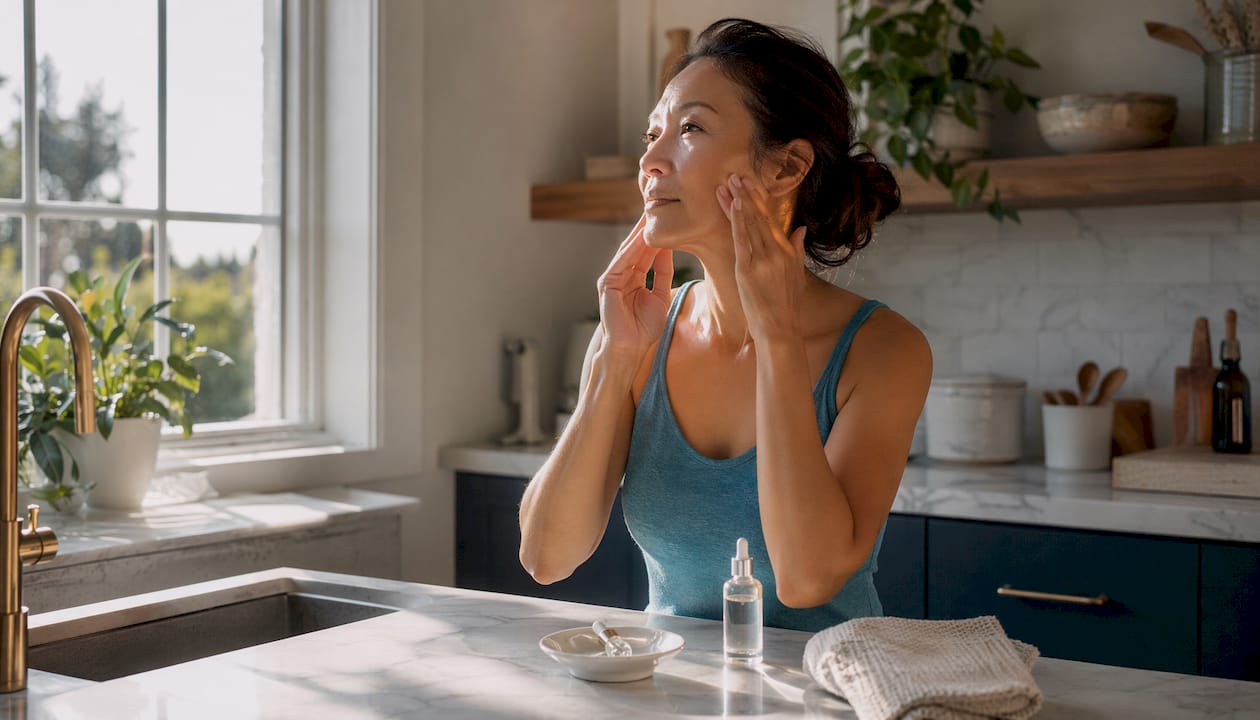
Static wrinkles are the lines you see even when your face is completely relaxed. They form from collagen loss and repeated skin folding over time. Peptide serums directly address this by rebuilding the structural proteins your skin loses with age. Specific peptides like acetyl hexapeptide-8 also relax facial muscle tension, giving them a dual benefit for both static and expression-related lines. For a deeper look at how these ingredients work, the advantages of peptide serums guide from Cosmedica-skincare breaks down the clinical evidence clearly.
2. Retinoids for collagen stimulation and wrinkle smoothing
Retinoids are the gold standard in topical anti-aging. They work by speeding up cell turnover, stimulating collagen production, and thickening the deeper layers of skin where wrinkles originate. Medical-grade retinoids deliver more measurable results than high-priced moisturizers, making them the most cost-effective topical investment for women in their 40s and beyond.
The key to retinoids is patience and a smart start. Many women quit too early because of initial dryness or flaking, which is actually a sign the ingredient is working. Retinoid irritation can be managed with a ramp-up schedule, transitioning from every-two-nights to nightly application over 8 weeks. Pairing retinoids with ceramide-rich moisturizers protects the skin barrier during this adjustment period. You can learn exactly how retinol works on the skin to understand why this slow-and-steady approach pays off.
Pro Tip: Apply your retinoid to completely dry skin, wait 20 minutes, then layer a ceramide moisturizer on top. This “sandwich” method cuts irritation significantly without reducing the retinoid’s effectiveness.
3. Vitamin C and antioxidants for oxidative stress defense
Vitamin C is one of the most researched antioxidants in skincare, and for good reason. It neutralizes free radicals, the unstable molecules generated by UV exposure and pollution that break down collagen and accelerate wrinkle formation. Antioxidants in skincare reduce oxidative stress, which is one of the primary drivers of visible skin aging.
Niacinamide (vitamin B3) is another antioxidant worth adding to your wrinkle reduction methods. It strengthens the skin barrier, reduces redness, and visibly minimizes pore size, which makes skin look smoother overall. Vitamin C works best in the morning under sunscreen, while niacinamide can be used morning or night. Together, they create a protective and restorative layer that complements every other treatment on this list.
4. Ceramide-rich moisturizers and hyaluronic acid
A compromised skin barrier makes every wrinkle look deeper and every treatment less effective. Ceramides are lipids that hold skin cells together, and their levels drop significantly after age 40. Replenishing them with a ceramide-rich moisturizer restores the barrier, locks in moisture, and makes skin look plumper and more even.
Hyaluronic acid works differently. It is a humectant, meaning it draws water from the environment into your skin like a sponge. One molecule of hyaluronic acid can hold up to 1,000 times its weight in water, which temporarily plumps fine lines from the inside out. Using both ceramides and hyaluronic acid together gives you barrier repair and surface hydration at the same time. This combination is especially effective for women in their 50s, when skin loses moisture faster and barrier function declines.
5. Neuromodulators (Botox) for dynamic wrinkles
Dynamic wrinkles are the lines that appear when you smile, squint, or frown. They form from repeated muscle movement over years. Neuromodulators like Botox work by temporarily relaxing the muscles that cause these movements, which smooths the overlying skin. Botox shows effects within 3–7 days and results typically last 3–6 months.
The procedure itself takes 10–15 minutes, making it one of the most time-efficient clinical options available. Botox does not fill or add volume. It simply stops the muscle contraction that creates the crease. This is why it works so well for crow’s feet, forehead lines, and the “11s” between the brows, but does not address static wrinkles that are present at rest.
Pro Tip: Start Botox conservatively. A skilled injector will use the minimum effective dose to preserve natural expression. You can always add more at a follow-up; you cannot undo too much.
6. Dermal fillers for volume restoration and static wrinkles
Static wrinkles and volume loss require a different approach than dynamic lines. Dermal fillers restore the structural support that skin loses as fat pads shift and collagen depletes with age. Fillers address volume loss and static wrinkles and are often combined with Botox for a more complete result.
Strategic filler placement in structural areas like the cheeks and jawline creates natural rejuvenation without the overfilled look. The goal is to restore what was there, not to add volume for its own sake. Non-surgical filler sessions typically cost around $150–$250 per session, with results lasting anywhere from 6 to 18 months depending on the product used and the area treated.
7. Microneedling and chemical peels for collagen remodeling
Microneedling creates tiny, controlled injuries in the skin that trigger the body’s natural healing response, including a surge in collagen production. Microneedling improves texture and fine lines without adding volume or relaxing muscles, making it ideal for overall skin quality rather than specific wrinkle types. It works especially well for texture, acne scars, and fine lines across the full face.
Chemical peels remove the outer layers of dead skin cells, revealing fresher, smoother skin underneath. Superficial peels use acids like lactic acid or glycolic acid and require no downtime. Medium-depth peels penetrate further and may need a few days of recovery. Both options stimulate collagen over time and improve the effectiveness of topical products applied afterward, since the skin absorbs actives more efficiently after exfoliation.
8. Broad-spectrum sunscreen as the top preventive measure
Daily broad-spectrum SPF 30+ sunscreen blocks about 97% of UVB rays, making it the single most effective anti-aging strategy available. UV radiation is the leading external cause of wrinkles, collagen breakdown, and uneven skin tone. No serum or procedure can fully undo the damage that unprotected sun exposure causes over decades.
Sunscreen works best when applied every morning as the last step of your skincare routine, before makeup. Reapplication every two hours during outdoor exposure is the standard recommendation. Mineral sunscreens with zinc oxide or titanium dioxide sit on top of the skin and deflect UV rays immediately upon application. Chemical sunscreens absorb UV rays and convert them to heat. Both work. The best sunscreen is the one you will actually wear every day.
9. Natural oils and facial massage for skin elasticity
Natural plant oils like rosehip, marula, and squalane support skin elasticity and provide fatty acids that reinforce the lipid barrier. Rosehip oil contains natural retinoids and vitamin C precursors that support cell turnover. Squalane mimics the skin’s own sebum and absorbs quickly without clogging pores. These oils work best as a complement to active ingredients, not as a replacement for them.
Facial massage improves circulation and lymphatic drainage, which reduces puffiness and gives skin a healthier glow. Using a gua sha tool or jade roller with a facial oil for 5 minutes each morning can visibly lift and firm the face over time. The mechanical stimulation also supports muscle tone in the face, which contributes to a more defined appearance. This is one of the most accessible natural anti-wrinkle remedies because it costs almost nothing and takes very little time.
10. Nutritional support and inside-out anti-aging
Skin aging is not only a surface problem. Hormonal decline accelerates collagen loss and reduces nutrient absorption after age 50, which means topical treatments alone become less effective over time. Vitamins C, B12, and magnesium support collagen synthesis, cellular energy, and skin resilience from the inside. Supplementing these nutrients amplifies the results of both topical and clinical treatments.
Hormone optimization combined with peptide-based topical treatments creates synergistic effects in collagen regeneration and skin resilience for women over 45. This is an area where working with a functional medicine doctor or endocrinologist alongside your dermatologist makes a real difference. Collagen peptide supplements taken orally have also shown benefits for skin elasticity in clinical research. Think of inside-out care as the foundation that makes everything else work better.
11. Tailoring your approach by wrinkle type and age
The right combination of treatments depends on your specific wrinkle types, skin age, and lifestyle. Here is how to think about it by decade:
- In your 30s: Focus on prevention. Daily SPF, a vitamin C serum in the morning, and a low-strength retinoid at night form the core of an anti-aging skincare routine that prevents early wrinkle formation. Botox as a preventive measure is increasingly common in this decade.
- In your 40s: Consistency in fundamentals like sun protection and retinoids matters most. Add a peptide serum and consider your first in-office consultation for microneedling or light filler work if static lines are appearing.
- In your 50s: Address volume loss with strategic fillers, support the skin barrier with ceramide moisturizers, and explore hormone-supportive supplements. Combination therapy addressing muscle relaxation, volume restoration, and collagen stimulation produces the most balanced, natural results.
- For dynamic wrinkles: Neuromodulators are the most targeted solution. Pair with a retinoid for long-term collagen support.
- For static wrinkles: Peptide serums, fillers, and microneedling address the structural loss that causes these lines. Consistency over months, not days, is what delivers visible change.
Key takeaways
The most effective anti-wrinkle approach combines daily SPF, a retinoid, a peptide serum, and targeted clinical treatments matched to your specific wrinkle type and age.
| Point | Details |
|---|---|
| Peptides reduce static wrinkles | Clinical data shows 35%–69% improvement in static wrinkles after 12 weeks of peptide serum use. |
| Retinoids need a ramp-up | Start every two nights and increase to nightly over 8 weeks to avoid irritation and barrier damage. |
| SPF is the top preventive tool | Broad-spectrum SPF 30+ blocks 97% of UVB rays and prevents the collagen breakdown that causes wrinkles. |
| Match treatment to wrinkle type | Dynamic wrinkles respond to Botox; static wrinkles respond to fillers, peptides, and microneedling. |
| Inside-out care amplifies results | Vitamins, hormone support, and collagen supplements strengthen the effects of topical and clinical treatments. |
What I’ve learned after years of watching anti-aging trends come and go
The most common mistake I see is women waiting until their 50s to start thinking seriously about wrinkle prevention. By that point, the structural changes in the skin are real and require more aggressive intervention. The women who age most gracefully are the ones who started with SPF and a retinoid in their 30s and stayed consistent. No trending ingredient or new device replaces that foundation.
The second mistake is chasing volume. Overfilled faces have become a recognizable look, and it is not aging well in the cultural conversation. Strategic placement of a small amount of filler in the right structural areas, like the cheeks and jawline, does far more for a natural appearance than loading up on lip or cheek volume. Less really is more here, and a good injector will tell you that directly.
What genuinely excites me about where anti-aging care is heading is the inside-out approach. Combining hormone optimization, targeted supplementation, and peptide-based topicals creates results that no single product can match. Skin is a reflection of systemic health. When you address sleep, nutrition, hormones, and stress alongside your topical routine, the difference is visible. That is not a trend. That is biology.
My honest recommendation: build your routine around SPF, a retinoid, and a peptide serum. Add clinical treatments as needed, not as a replacement for the basics. Consult a dermatologist before starting any in-office procedure. And give every treatment at least 12 weeks before deciding whether it works.
— Thomas
Cosmedica-skincare’s anti-aging collection for every step of your routine
Cosmedica-skincare has built a collection of cruelty-free, dermatologist-tested products designed to work at every layer of an anti-wrinkle regimen. The Super Serum Set is a strong starting point, combining peptide-rich formulas clinically tested to reduce wrinkles and improve skin texture. For nighttime repair, the Multi-Active Hydrating Night Cream supports wrinkle repair and deep hydration while you sleep. If you want to address pigmentation and texture alongside wrinkles, the 10% Niacinamide + Zinc Treatment Serum layers easily into any routine. Browse the full retinol skincare collection to find the right retinoid strength for your skin.
FAQ
What is the most effective topical ingredient for wrinkles?
Retinoids are the most clinically validated topical ingredient for wrinkle reduction, stimulating collagen production and accelerating cell turnover. Peptide serums are a strong complement, with clinical data showing up to 69% improvement in static wrinkles after 12 weeks.
What is the difference between dynamic and static wrinkles?
Dynamic wrinkles appear during facial movement and respond best to neuromodulators like Botox. Static wrinkles are visible at rest and are better addressed with fillers, peptide serums, and microneedling.
How long does it take to see results from anti-wrinkle treatments?
Botox shows visible results within 3–7 days. Topical retinoids and peptide serums typically require 8–12 weeks of consistent use before significant improvement appears.
Is sunscreen really an anti-wrinkle treatment?
Yes. Daily broad-spectrum SPF 30+ sunscreen is the most effective preventive anti-aging measure available, blocking approximately 97% of UVB rays that cause collagen breakdown and wrinkle formation.
Can natural remedies replace clinical anti-wrinkle treatments?
Natural remedies like facial oils, massage, and nutritional supplements support skin health but do not replicate the structural changes that retinoids, peptides, or in-office procedures produce. They work best as part of a broader, layered approach.