

Purging vs Breakout: How to Tell the Difference
If your skin broke out after starting an active ingredient, it’s more likely purging when the new pimples show up in your usual trouble zones within 2 to 4 weeks and clear within about 4 to 6 weeks. If new bumps appear where you never break out, spread beyond your normal pattern, or come with burning and swelling, you’re probably looking at a true breakout or an irritation reaction, not a purge.
- Purging: usual zones, shows up in 2 to 6 weeks, resolves in about 4 to 6 weeks
- Breakout: new areas, deep or persistent bumps, no clear improvement timeline
- Stop only if: you see burning, swelling, or spreading to fresh areas
TL;DR:
- About 20% of people experience purging, which begins around two weeks after starting an active ingredient and resolves within six weeks.
- Purging occurs only in usual breakout zones, while new or spreading bumps suggest a true breakout or irritation.
- Signs of irritation include burning, swelling, blistering, or persistent redness, prompting immediate discontinuation of the product.
- Supporting your skin barrier with gentle products and introducing actives gradually can reduce the severity of purging.
- If no improvement occurs after six to eight weeks or irritation persists, consulting a dermatologist is recommended.
Table of Contents
- What Causes Purging vs a Regular Breakout?
- How Can You Tell If You’re Purging or Breaking Out?
- When Should You Stop a Skincare Product?
- Managing Purging vs Treating a True Breakout
- What Do Dermatologists and Clinical Data Say About Purging?
- Why Patience Beats Panic With New Actives
- Gentle Options From Cosmedica-Skincare for a Smoother Start
- Key Takeaways
- Sources
- FAQ
What Causes Purging vs a Regular Breakout?
Purging happens because certain ingredients speed up skin cell turnover. Your skin is constantly shedding dead cells and generating new ones underneath, but when microcomedones (tiny, invisible clogs already forming beneath the surface) get pushed up faster than usual, they surface as visible whiteheads and small bumps all at once. It appears your skin got worse, but it’s actually experiencing accelerated cell turnover.
Specific actives are known to trigger this speed-up:
- Retinoids — tretinoin, adapalene, and other vitamin A derivatives
- AHAs — glycolic acid, lactic acid
- BHAs — salicylic acid
- PHAs — gluconolactone and similar gentler exfoliants
- Benzoyl peroxide
- Some vitamin C and azelaic acid formulations, depending on concentration and your skin’s baseline
Regular breakouts have a completely different rap sheet. Hormonal shifts around your cycle, chronic stress, comedogenic oils sitting in a “clean” moisturizer, an allergic or contact reaction to a new fragrance or preservative, and plain old bacterial overgrowth all cause pimples with zero connection to cell turnover. Stress alone measurably worsens acne through cortisol’s effect on oil production, which is why a breakout can show up during a rough week even if your routine hasn’t changed at all.
How Can You Tell If You’re Purging or Breaking Out?
Three signals do most of the diagnostic work: location, appearance, and timeline. Run through them in that order and you’ll usually have your answer.
Location matters most. Purging shows up where you already tend to break out, because that’s where those hidden microcomedones were already sitting. If you suddenly see bumps on your jawline for the first time ever, or a new active is causing spots on your forehead when you’ve always broken out on your chin, that’s a strong signal it’s not purging.
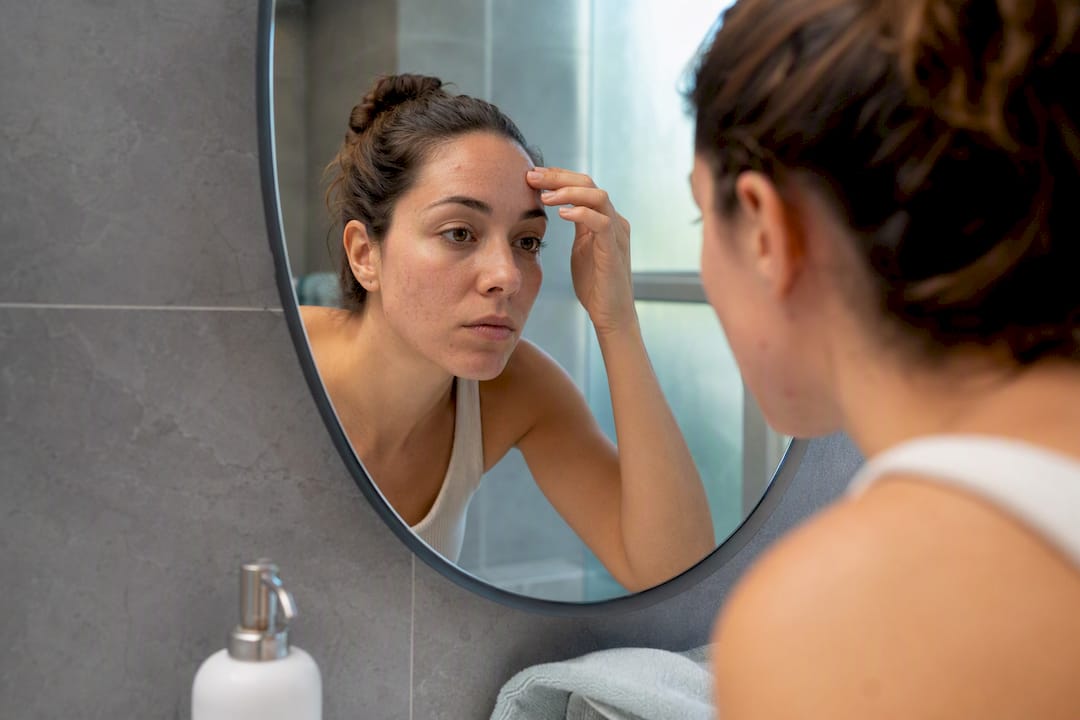
Appearance is the second clue. Purging tends to look like a cluster of small whiteheads and blackheads that come and go relatively fast. A true breakout or irritation reaction tends toward angrier, deeper, or cystic bumps, along with redness that doesn’t fade in a few days.
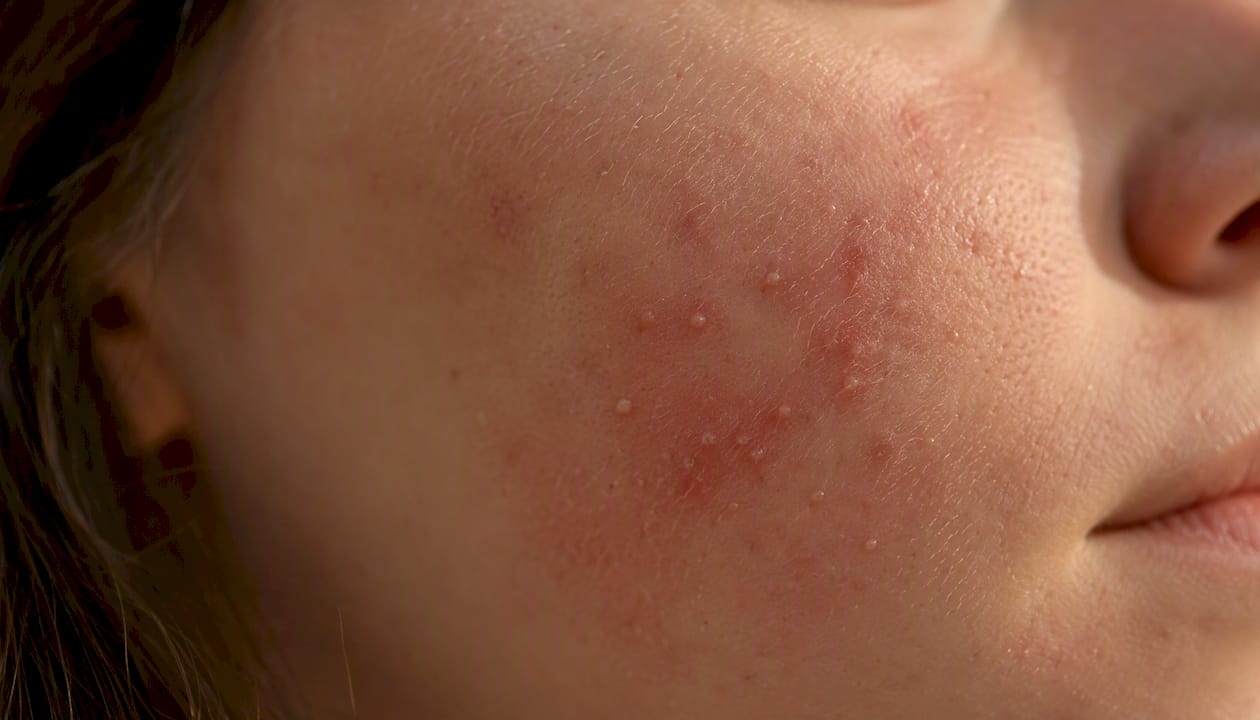
Timeline is where most of the confusion happens, and it’s also where the data is most useful. A clinical-observational analysis of topical acne therapy found that purging affected roughly 20% of patients, typically starting around two weeks in and resolving within six.
That statistic matters for two reasons. It confirms purging is real and predictable in a meaningful share of people, but it also means you shouldn’t assume every new breakout is “just purging” as an excuse to push through worsening skin.
Quick reference for the timeline:
- Weeks 1 to 2: too early to call it either way, give it time
- Weeks 2 to 4: purging typically starts here if it’s going to happen
- Weeks 4 to 6: purging should be visibly calming down
- Week 6 to 8 with no improvement: time to reevaluate
Persistent stinging, intense peeling, or burning that doesn’t ease up after the first few applications are red flags regardless of what week you’re on.
When Should You Stop a Skincare Product?
Not every uncomfortable moment means quit immediately, but some signs override the “give it six weeks” rule entirely.
- Stop right away for severe burning, visible swelling, blistering, or anything that looks like it could be infected.
- Reassess at 6 to 8 weeks if you’ve seen zero improvement or the problem has spread beyond where it started, since dermatologists generally set that window as the outer limit before recommending a clinician visit.
- Patch test new actives on a small area of skin, like behind the ear or along the jaw, for a few days before applying to your whole face.
Pro Tip: Reintroduce one active at a time, spaced a week or two apart, so if something goes wrong you actually know which product caused it instead of guessing.
Managing Purging vs Treating a True Breakout
The two situations call for genuinely different approaches, and mixing them up is how people end up making things worse.
If you’re purging, your job is to support your skin while the active does its work underneath, not to fight the visible bumps. That means:
- A gentle, non-stripping cleanser instead of anything with added exfoliating acids
- A moisturizer built around ceramides and glycerin to reinforce the skin’s barrier while it adjusts
- Daily sunscreen, since actives that accelerate turnover also increase sun sensitivity
- Holding off on layering a second or third active until the purge settles
If it’s a true breakout, the approach flips. You’re not waiting it out, you’re treating the actual cause: adjusting a comedogenic product out of your routine, adding a targeted acne treatment, or addressing whatever’s triggering hormonal or stress-related flares. Piling on more actives during a real breakout usually backfires because you’re compounding irritation on top of inflammation instead of giving your skin room to calm down.
Pro Tip: Take a photo in the same lighting once a week instead of checking the mirror daily. Day-to-day changes are hard to judge, but a week-over-week comparison makes real progress or real worsening obvious.
A few behavioral basics apply either way: don’t pick at anything, and introduce new products gradually rather than starting a full multi-step active routine on day one.
What Do Dermatologists and Clinical Data Say About Purging?
Purging isn’t an official medical diagnosis. It’s a descriptive term dermatologists and skincare writers use because it captures something patients genuinely experience: a predictable, temporary flare tied to a specific class of ingredients.
Dermatologists frame purging as a self-limited response to actives that speed up cell turnover, distinct from an allergic or irritant reaction. The presence of burning, persistent redness, or swelling points toward sensitivity rather than a normal purge.
The clinical-observational data backs this up with real numbers: about 20% of patients purged, purging began around the two-week mark, and it resolved by six weeks in most cases.
One practical takeaway from that same research: slow introduction, meaning pea-size amounts applied every other night rather than daily from the start, tends to reduce how intense a purge feels.
Why Patience Beats Panic With New Actives
Most people quit a product the moment their skin looks worse, and honestly, I get it. Nobody wants to stare down a breakout for six weeks on the promise that it’ll be worth it. But the data is clear that only about one in five people purge at all, so before you assume the worst, check your own history against the timeline and location cues above.
If you do decide to ride it out, keep it boring: gentle cleanser, barrier moisturizer, sunscreen, repeat. Snap a weekly photo instead of obsessing daily. Cosmedica-skincare builds its formulas to be dermatologist-tested and gentle enough to support that kind of patience without adding fuel to the fire.
— Thomas
Gentle Options From Cosmedica-Skincare for a Smoother Start
If you’re easing into actives and want less risk of a rough purge, start with your skin’s foundation rather than jumping straight to the strongest formula on the shelf. The Super Serum Set pairs hydration and barrier support in one curated lineup, which is exactly what dermatologists recommend layering underneath an active ingredient. Pair it with a ceramide-rich moisturizer to keep your barrier calm while your skin adjusts.
If you’re ready to introduce retinol specifically, a lower-strength option lets you control the pace instead of shocking your skin with a high concentration on day one. Cosmedica-skincare’s new collection includes milder formulas built for exactly that kind of gradual start. Patch test first, go slow, and if breakouts persist past six to eight weeks or come with real pain or swelling, see a dermatologist rather than troubleshooting on your own.
Key Takeaways
Purging is a predictable, short-term flare in your usual breakout zones tied to actives that speed up cell turnover, while a true breakout shows up in new areas or persists beyond six weeks.
| Point | Details |
|---|---|
| Location is the fastest clue | Purging appears where you normally break out; new zones point to a breakout or reaction. |
| Timeline runs 2 to 6 weeks | Purging typically starts within 2 to 4 weeks and resolves by 4 to 6 weeks. |
| Most people don’t purge | Clinical data shows around 20% of patients purge. |
| Red flags override patience | Burning, swelling, blistering, or spreading lesions mean stop and reassess, regardless of timing. |
| Support your barrier, don’t fight it | Cosmedica-skincare’s gentle serums and moisturizers help you stay comfortable while introducing actives slowly. |
Sources
Banner Health covers the clinical basics; Healthline and SELF offer dermatologist-backed timelines; AcneClinicNYC provides purge-incidence data.
This article is general information, not a substitute for advice from a qualified doctor. Consult a qualified healthcare professional about your own circumstances before acting on anything here.
- How to Tell If Your Skin is Breaking Out or Purging
- Skin Purging vs. Breaking Out: Experts Explain the Difference | SELF
- Acne Clearance Patterns: Clinical Data on Topical Therapy – AcneClinicNYC
FAQ
How Do I Know if It’s Purging or a Breakout?
Check location first: purging shows up in your usual trouble spots, while a breakout often appears in new areas. If it clears within 4 to 6 weeks of starting an active, it’s most likely purging.
How Can I Tell If I’m Purging?
You’re likely purging if the new bumps appeared within 2 to 4 weeks of starting a retinoid, acid, or benzoyl peroxide, are located where you normally break out, and are gradually improving rather than worsening.
Does Skin Look Better After Purging?
Yes, in most cases skin clarity and texture improve once the purge resolves, typically within 4 to 6 weeks, since the process is clearing out microcomedones that were already forming beneath the surface.
What Does Purging Skin Look Like?
Purging usually looks like a cluster of small whiteheads and blackheads in your regular breakout zones, rather than the larger, angrier cysts or widespread inflammation typical of a true breakout.
Recommended
- Acne Vs Pimples: Simple Skin Differences And Care Tips – Cosmedica Skincare
- Pimples vs Acne: Differences, Causes and Best Treatments for Clear Ski – Cosmedica Skincare
- Double Cleansing: What It Is and How It Works – Cosmedica Skincare
- Best Ingredients to Treat Acne and Breakouts – Cosmedica Skincare