

Beginners: Apply Retinol to Dry Skin and Avoid Irritation
Yes, retinol is safe and worth starting for most beginners, as long as you go low and slow. The simplest starter protocol: apply a pea-sized amount to fully dry skin at night, once or twice a week, follow with a moisturizer, and wear SPF 30+ every single morning. Skip it if you’re pregnant, and check with a dermatologist first if your skin is already inflamed or you’ve had recent in-office treatments.
TL;DR:
- Most beginners should start with a low concentration retinol, such as 0.01% to 0.3%, in a barrier-supporting formula packaged in opaque tubes or airless pumps.
- Applying retinol only on fully dry skin at night, beginning with once a week and gradually increasing, minimizes irritation and promotes long-term adherence.
- Visible improvements in skin texture and tone usually occur after 8 to 12 weeks, with further collagen benefits building over six to 12 months.
- Avoid retinol during pregnancy, breastfeeding, or if experiencing active skin conditions, and consult a dermatologist before starting if unsure.
- Support products with ceramides, niacinamide, and squalane help maintain skin barrier health during retinol use, especially in sensitive or reactive skin.
Table of Contents
- What Retinol Actually Is (and Why It’s Different From Tretinoin)
- What Results Should You Actually Expect, and How Fast?
- Who Should Start Retinol Now, and Who Should Wait?
- How to Choose a Beginner-Friendly Retinol Product
- How to Introduce Retinol: A Week-by-Week Starter Schedule
- Common Retinol Side Effects and How to Handle Them
- What Not to Mix With Retinol
- A Simple Beginner Routine to Build Around
- Why Trust This Guide?
- An Honest Take on Starting Retinol
- Ready to Start? How Cosmedica-Skincare Fits a Beginner Routine
- Sources
- FAQ
What Retinol Actually Is (and Why It’s Different From Tretinoin)
Retinol is an over-the-counter derivative of vitamin A. Your skin converts it into retinoic acid, the active form that actually does the work, through a two-step enzymatic process. That extra conversion step is the whole story: it’s why retinol is gentler than prescription tretinoin, which arrives already in its active form and hits your skin cells faster and harder.
That gentler profile is a feature, not a downside, for someone just starting out. Clinical reviews of retinol formulations confirm it’s less potent than tretinoin but still delivers measurable improvements in wrinkles, pigmentation, and texture when you use it consistently over months rather than weeks.
You’ll see over-the-counter concentrations varying from low percentages up to higher concentrations. Lower percentages mean a slower, gentler onset with less irritation risk. Higher percentages work faster but ask more of your skin barrier upfront. Formulation matters just as much as the number on the label. Micro-encapsulated or time-release retinol releases the active ingredient gradually, which tends to cut down on the stinging and flaking that scare so many people off retinol in the first place.
What Results Should You Actually Expect, and How Fast?
Here’s the honest timeline: your skin usually needs an adjustment period first, called retinization, before it shows you anything good. Expect some dryness or a small breakout wave in the first couple of weeks. That’s normal turnover, not an allergic reaction.
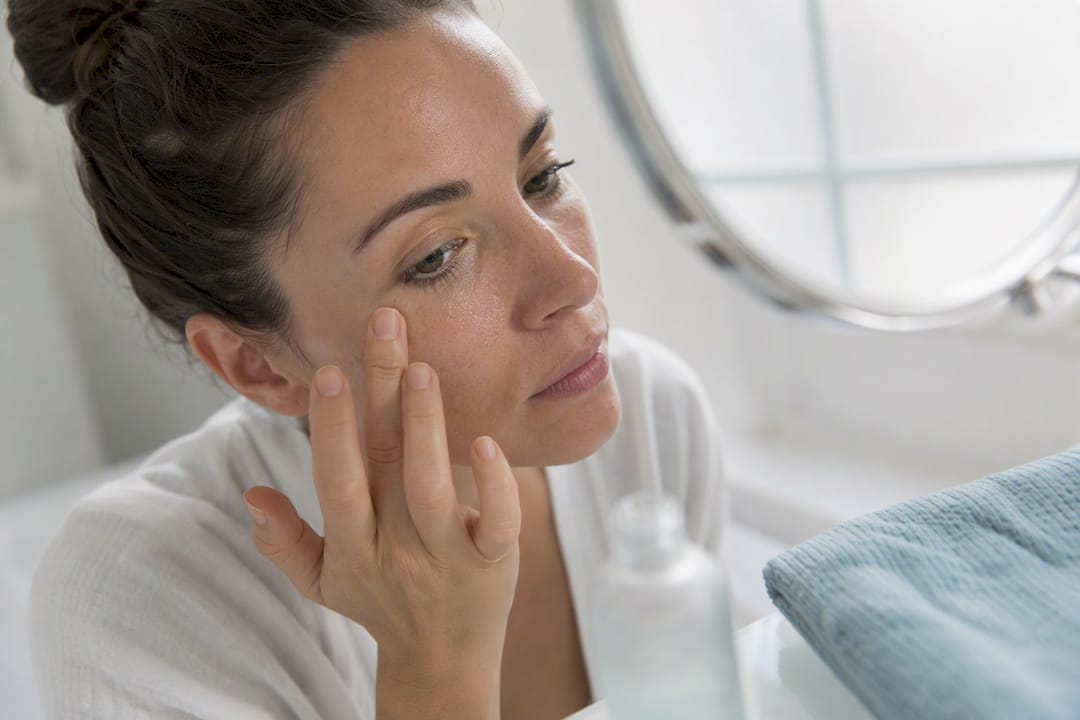
Real, visible improvement in texture and tone typically shows up around 8 to 12 weeks of consistent use. Fine lines, pigmentation, and stubborn acne marks keep improving through the 6 to 12 month mark as collagen production ramps up. One study on stabilized 0.1% retinol found it increased procollagen and improved photodamage metrics over months, just on a slower curve than prescription options.
This is exactly why patience beats intensity. Jumping to a higher percentage to speed things up almost always backfires, triggering more irritation without meaningfully shortening your timeline to results.
Who Should Start Retinol Now, and Who Should Wait?
Most adults in their mid to late 20s start retinol preventively, once collagen production naturally begins to slow down. If you’re dealing with acne, uneven tone, or visible sun damage already, starting earlier makes sense regardless of age.
Hold off if you’re pregnant or breastfeeding, as outlined in Are retinoids right for your skin?. Retinoids are not recommended during pregnancy, so talk to your doctor about alternatives. You should also pause if you have active dermatitis, eczema flares, or you’ve had a chemical peel, microneedling, or laser treatment in the past week or two. Give your barrier time to recover first.
If your skin runs sensitive, dry, or reactive, that’s not a reason to skip retinol. It’s a reason to start slower than the standard schedule and lean harder on moisturizer. Oily and acne-prone skin can often tolerate a slightly faster ramp, but “faster” here still means weeks, not days.
How to Choose a Beginner-Friendly Retinol Product
Your first retinol purchase should prioritize tolerability over speed. That means paying attention to four things: concentration, vehicle, packaging, and what else is in the bottle.
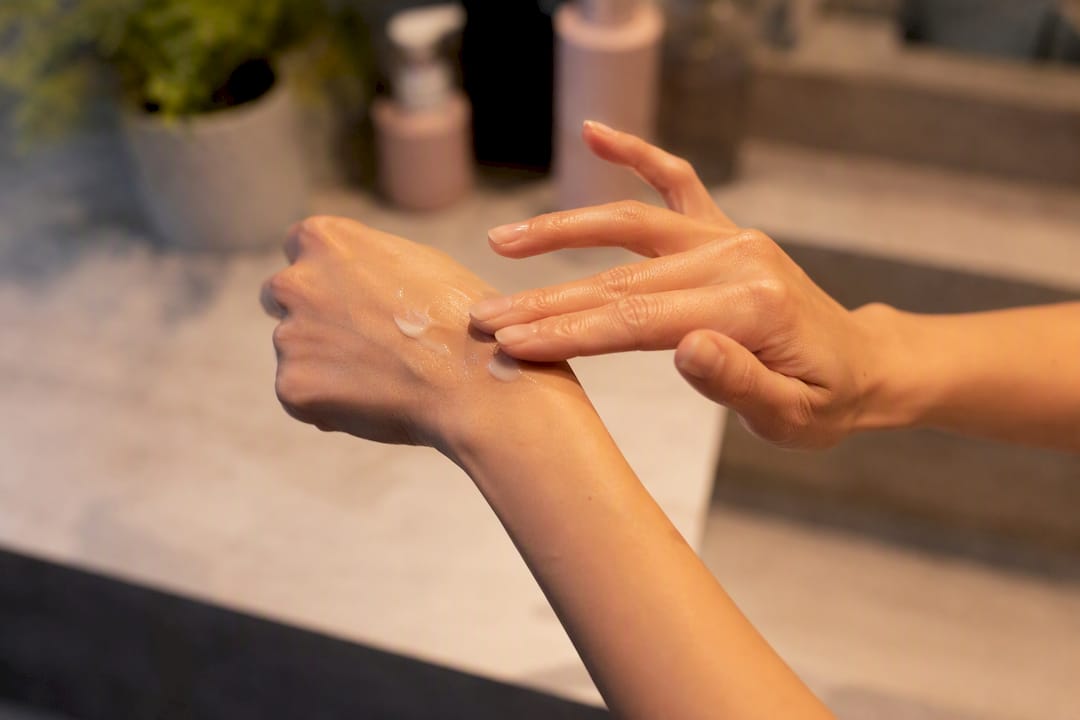
Anything labeled “beginner” or “gentle” in that band gives your skin room to adjust without overwhelming it.
The vehicle, meaning the base the retinol is suspended in, changes how your skin experiences it just as much as the percentage does:
- Cream bases tend to be the most forgiving for dry or sensitive skin because they come with built-in emollients.
- Serums absorb faster and layer well under other products, but can feel sharper on reactive skin.
- Oil or squalane-based formulas slow down penetration and soften the initial irritation curve.
Packaging matters more than most people realize. Retinol degrades when it’s exposed to light and air, so an opaque tube or an airless pump preserves potency far better than a jar you dip your fingers into every night. If a product comes in a clear jar, assume it’s losing strength every time you open the lid.
Finally, scan the ingredient list for support players like ceramides, niacinamide, and squalane. A retinol formula that also feeds your skin barrier is doing double duty. Cosmedica-skincare’s retinol serum formulations lean into that barrier-first approach rather than isolating retinol on its own.
Pro Tip: Check the ingredient list for the word “encapsulated” or “time-release” next to retinol. Those formulas release the active gradually overnight, which usually means less morning-after flaking for the same benefit.
How to Introduce Retinol: A Week-by-Week Starter Schedule

This is the part beginners get wrong most often: they treat retinol like a serum you use every night from day one. Don’t. Your skin needs a ramp-up period, and the schedule you follow in the first month determines whether you stick with retinol for years or give up after two irritated weeks.
The most widely recommended approach is the 1-2-3 rule, a ramp-up strategy documented across dermatology and consumer skincare guides:
- Week 1: Apply once, on one night only. Watch how your skin responds over the following two or three days.
- Week 2: Move up to twice a week, spacing the applications out (say, Monday and Thursday).
- Week 3: Apply three nights a week. If your skin looks calm, you can gradually build toward nightly use over the following month or two.
If your skin is especially reactive, a more conservative alternative works just as well: apply every third night and hold that pace for a full month before increasing frequency at all. There’s no prize for rushing.
Technique matters as much as frequency. Apply retinol only to completely dry skin, never right after cleansing while your face is still damp. Damp skin absorbs faster, which sounds good but actually spikes irritation. Use a pea-sized amount for your whole face, avoid the delicate skin around your eyes and lips, and only apply at night since retinol breaks down in sunlight.
For very sensitive skin, try the moisturizer-first or “sandwich” method: moisturizer, then retinol, then another layer of moisturizer once it’s absorbed. This buffers the active ingredient without meaningfully reducing its effectiveness over time.
- Pause use entirely if you develop severe redness, swelling, or open irritation.
- Skip your retinol night before and after any in-office procedure like microneedling or a chemical peel.
- If irritation doesn’t calm down within a week of reducing frequency, check in with a dermatologist rather than pushing through.
Pro Tip: Keep a simple note on your phone tracking which nights you applied retinol and how your skin felt the next morning. Patterns show up fast, and that log makes it obvious when you’re ready to increase frequency.
Common Retinol Side Effects and How to Handle Them
Some dryness, flaking, and mild redness in the first few weeks is expected. Dermatologists call this retinization, and it’s your skin adjusting to faster cell turnover, not a sign you’re allergic to the product. A short-lived breakout can also happen as clogged pores get pushed to the surface faster than usual.
You can manage most of this without abandoning the product:
- Cut back to fewer nights per week until flaking calms down, then reintroduce gradually.
- Layer on a richer, barrier-repair moisturizer immediately after retinol, or try the sandwich method.
- Add a hydrating serum with hyaluronic acid underneath to offset dryness.
- Skip physical scrubs and exfoliating brushes entirely while your skin is adjusting.
Some reactions go beyond normal retinization and need real medical attention. Contact a clinician if you develop intense pain, blistering, significant swelling, or a reaction that spreads well beyond the areas you applied product to. That’s not retinization. That’s a sign something else is going on.
What Not to Mix With Retinol
Layering too many active ingredients in one routine is the fastest way to turn manageable dryness into a compromised barrier. Avoid using strong AHAs or BHAs, physical exfoliants, or high-strength vitamin C on the same night as retinol. Stacking actives that all increase cell turnover or acidity compounds irritation instead of compounding results.
A cleaner approach: save vitamin C for your morning routine, where it also does useful work as an antioxidant alongside your sunscreen. Reserve retinol for nights. If you use exfoliating acids, stagger them onto separate nights from retinol, or drop to a lower-strength acid until your skin has fully adjusted.
Not everything needs to be kept apart, though. Low-strength niacinamide, ceramides, and hyaluronic acid all pair safely with retinol and actively support the barrier while it adjusts. Cosmedica-skincare’s moisturizer lineup is built around exactly that kind of barrier-supporting ingredient list.
A Simple Beginner Routine to Build Around
You don’t need a ten-step routine to make retinol work. You need consistency and the right supporting cast.
At night: cleanse gently with a non-stripping cleanser, let your skin dry completely, apply your retinol, then seal it in with a moisturizer.
In the morning: cleanse if needed, apply an antioxidant serum if you use one, moisturize, and finish with broad-spectrum SPF 30 or higher, without exception. Dermatologists consistently flag increased sun sensitivity as one of retinol’s most predictable side effects, and skipping sunscreen while using it undoes a meaningful share of the benefit you’re working for.
When picking supporting products, stick to fragrance-free, non-comedogenic formulas with ceramides or squalane. Your skin barrier is doing extra work while it adapts to retinol, so give it products that help rather than ones that add fragrance-driven irritation on top.
Why Trust This Guide?
This guide draws on dermatology-backed sources including Cleveland Clinic’s clinical guidance and peer-reviewed retinol research published in the Journal of Drugs in Dermatology, cross-checked against practical starter protocols dermatologists actually recommend.
Cosmedica-skincare builds its retinol formulations around that same evidence base: dermatologist-tested, barrier-supporting ingredient combinations rather than isolated high-percentage actives designed to impress on a label. The retinol collection and dedicated retinol resource page walk through concentration options so you can match a product to where your skin actually is, not where you wish it was. You can also see the mechanism explained in plainer terms on the brands how retinol works on skin guide.
An Honest Take on Starting Retinol
If there’s one thing worth repeating past everything above, it’s this: the beginners who succeed with retinol aren’t the ones with the most resilient skin. They’re the ones who resisted the urge to go faster than their skin asked them to.
My single prioritized tip, if you only take one thing from this guide: apply to completely dry skin, and if you’re at all nervous about irritation, moisturize first. That one adjustment prevents more bad first experiences than any product choice does.
And one more reminder worth repeating on its own: skip retinol during pregnancy, and if your skin has any active condition, get a dermatologist’s input before you start.
— Thomas
Ready to Start? How Cosmedica-Skincare Fits a Beginner Routine
Most beginner retinol products on the market force a choice between gentle and effective. Cosmedica-skincare’s approach skips that trade-off by pairing retinol with ceramides, niacinamide, and squalane in the same formula, so your barrier gets support at the exact moment your skin needs it most.
If you want a guided starting point rather than picking blind, the Super Serum Set pairs a retinol-style serum with barrier-focused moisturizing steps, which maps directly onto the 1-2-3 rule and sandwich technique covered above. Once your skin has acclimated over a few months and you’re ready for something stronger, the 2.5% Retinol Facial System is there for that next stage, not the first one.
Start by browsing the retinol page to match a concentration to your skin’s current tolerance, then follow the week-by-week schedule above exactly as written.
Sources
- Retinol: Cream, Serum, What It Is, Benefits, How To Use — Cleveland Clinic
- Review: Retinol — the ideal retinoid for cosmetic solutions (J Drugs Dermatol)
- Yes, retinol is safe — When used correctly. Here’s how to get started — Healthline
FAQ
What retinol should a beginner use?
Choose a low concentration, roughly 0.01% to 0.3%, in a cream or squalane-based vehicle with barrier-supporting ingredients like ceramides or niacinamide. Formulations packaged in opaque tubes or airless pumps stay potent longer than jarred products.
What is the 1-2-3 rule for retinol?
It’s a ramp-up schedule: apply retinol once in week one, twice in week two, and three times in week three, increasing frequency only as your skin tolerates it. Beginners with sensitive skin often stretch each stage to two or three weeks instead of one.
What level of retinol should you start with?
Even at lower concentrations, consistent use over months produces measurable improvement.
How long until retinol shows visible results?
Expect an adjustment period of mild dryness or flaking in the first couple of weeks, with visible texture and tone improvements typically appearing around 8 to 12 weeks of consistent use. Fine lines and pigmentation continue improving through 6 to 12 months.