

What Emollients Really Do for Your Skin's Barrier
Emollients restore and protect the skin’s outer barrier by softening skin, trapping moisture, and rebuilding the lipid layer that keeps your skin healthy. According to NHS guidance, emollients form a protective film over the skin’s surface, soothe dryness, and are central to managing conditions like eczema and psoriasis. The Cleveland Clinic explains that they work through both occlusive and humectant actions, reducing evaporative water loss while drawing moisture into the stratum corneum. A Cochrane-style evidence review confirms they reduce symptoms in eczema and are recommended for ongoing maintenance therapy.
Here’s what emollients actually do, at a glance:
- Occlusion: Form a physical film that slows water evaporating from the skin’s surface (reducing transepidermal water loss, or TEWL)
- Humectancy: Attract and bind water molecules into the outer skin layers
- Emollient smoothing: Fill in the microscopic gaps between skin cells, making skin feel soft and look smooth
- Lipid replenishment: Deliver fatty acids, ceramides, or physiological lipids that rebuild the skin’s natural barrier structure
Key Takeaways
Emollients work best when matched to your skin’s condition, applied consistently and liberally, and chosen for tolerability above all else.
| Point | Details |
|---|---|
| Three core mechanisms | Emollients work through occlusion, humectancy, and lipid smoothing; combined formulations outperform single-action products. |
| Formulation matching | Use ointments for nighttime repair, creams for daily body use, and lotions for large areas or daytime wear. |
| Frequency and amount | Apply at least twice daily; adults managing eczema typically use 250–500 grams per week for full-body coverage. |
| Adherence over ingredients | The product you’ll use consistently beats a “superior” formula you find too greasy or irritating to apply regularly. |
| Cosmedica-skincare | The Intense Hydration Kit and Super Nutrient Facial Balm deliver the layered humectant-plus-occlusive approach clinical guidance recommends. |
Table of Contents
- What is an emollient, exactly?
- How do emollients work? The mechanisms explained
- Which formulation should you use?
- Emollient vs. moisturizer vs. humectant vs. occlusive
- What conditions do emollients treat, and how strong is the evidence?
- How to apply emollients for best results
- How to choose the right emollient for your skin
- Side effects and when to call your doctor
- What actually matters most when recommending emollients
- Cosmedica-skincare products that match your emollient needs
- Sources
- FAQ
What is an emollient, exactly?
Clinically, an emollient is a topical lipid- or oil-based preparation designed to soften and smooth the stratum corneum (the outermost skin layer), reduce scaling, and relieve itch. Think of the stratum corneum like a brick wall: skin cells are the bricks, and lipids are the mortar. When that mortar breaks down, water escapes and irritants get in. Emollients help patch the mortar back up.
They come in several everyday forms:
- Ointments: Thick, greasy, and highly occlusive (white soft paraffin, petrolatum-based)
- Creams: Oil-in-water or water-in-oil blends; less greasy than ointments
- Lotions: Lighter, more fluid; easier to spread over large areas
- Gels: Cooling and non-greasy; popular for scalp or hairy areas
- Sprays: Convenient for hard-to-reach spots or very large body areas
- Wash products / soap substitutes: Used in place of regular soap to cleanse without stripping the skin
Within any routine, emollients serve two distinct roles: leave-on treatments that stay on the skin to provide ongoing hydration and protection, and wash-off products used as soap substitutes during bathing. Both matter. Harvard Health notes that consistent use is what drives real improvement in skin comfort and reduces cracking over time.
How do emollients work? The mechanisms explained
The role of emollients goes deeper than just “moisturizing.” Three overlapping mechanisms explain why they work, and knowing the difference helps you pick the right product.
Occlusion: sealing in what’s already there
Occlusive ingredients form a physical barrier on the skin’s surface that physically slows water evaporation. Petrolatum (the active ingredient in many thick ointments) is one of the most effective occlusives available, reducing TEWL significantly. Mineral oil and dimethicone work similarly but feel lighter. The trade-off: heavier occlusives can feel greasy, which is why many people reserve them for nighttime.

Humectancy: pulling water in
Humectants act like tiny sponges. They attract water from the deeper dermis and, in humid conditions, from the surrounding air, binding it into the stratum corneum. Glycerin is the most widely studied humectant. Hyaluronic acid can hold many times its weight in water. One thing to keep in mind: in very dry environments, humectants can pull water out of the skin if there’s no occlusive layer on top, which is why combining humectants with occlusives and emollients produces better results than any single action alone.
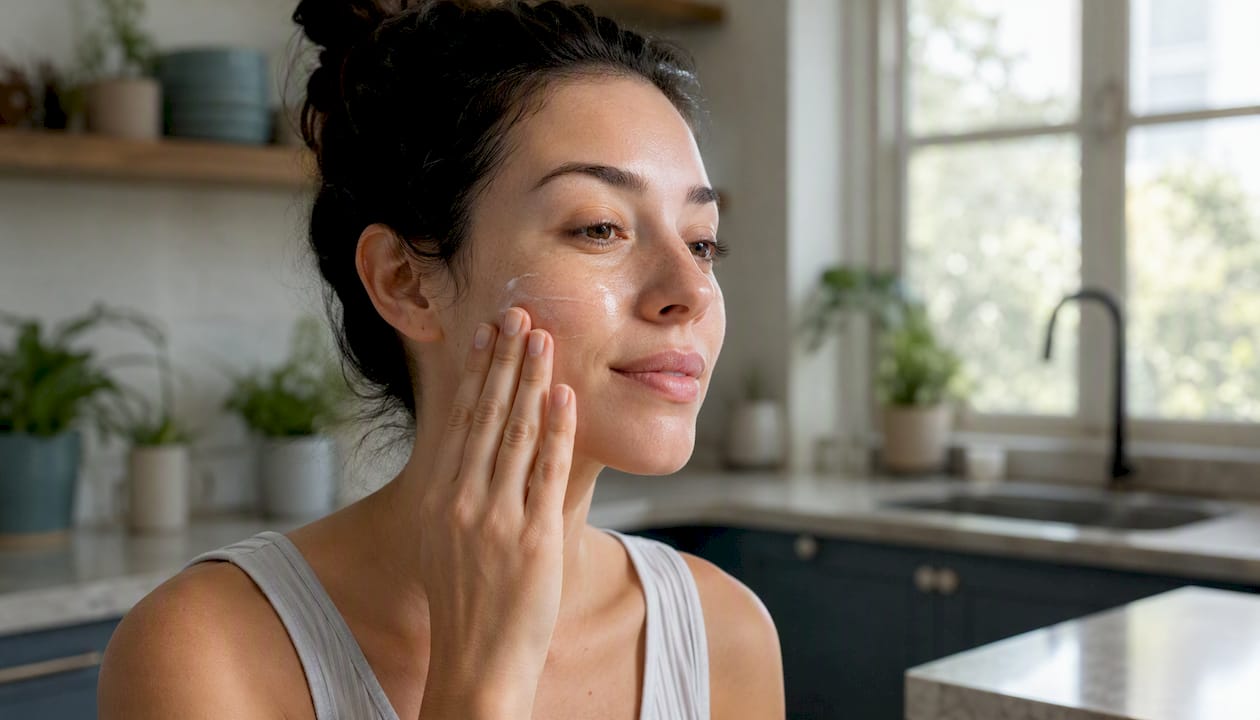
Emollient smoothing and lipid repair
True emollient action fills the spaces between desquamating (shedding) skin cells with lipid-like materials, making skin feel smooth and reducing the rough, flaky texture of dry or damaged skin. Ingredients like fatty acids (linoleic acid, oleic acid), esters (isopropyl myristate), and plant oils (jojoba, squalane) do this job well.
A more advanced approach is lipid replacement, where formulations use physiological lipids, particularly ceramides, to more closely mimic the skin’s own lamellar structure. Research on ceramide-containing formulations suggests they can extend TEWL protection and may support longer-term barrier repair in atopic conditions, going beyond what simple occlusion achieves. Contemporary dermatology research also highlights that lamellar emollient formulations using physiologic lipids can actively restore the stratum corneum lipid matrix, which is especially relevant for managing atopic dermatitis over time.
Which formulation should you use?
Matching the right formulation to your skin’s needs makes a real difference in both effectiveness and how likely you are to actually keep using it.
| Formulation | Best for | Pros | Cons |
|---|---|---|---|
| Ointment | Very dry skin, nighttime use, hands, feet | Highest TEWL reduction, long-lasting | Greasy, can stain fabric |
| Cream | Everyday body use, moderate dryness | Good balance of efficacy and wearability | May contain preservatives that irritate |
| Lotion | Large body areas, daytime use, oily skin | Easy to spread, absorbs quickly | Lower TEWL protection than creams |
| Gel | Scalp, hairy areas, hot climates | Non-greasy, cooling | Less moisturizing than cream or ointment |
| Spray | Hard-to-reach areas, children, large areas | Convenient, no rubbing needed | Variable coverage |
| Wash / soap substitute | Cleansing sensitive or eczema-prone skin | Maintains skin pH, avoids detergent stripping | Less lathering than soap |
A practical rule: reach for an ointment at bedtime when your skin needs maximum repair, a cream for daytime body use, and a lotion when you need something fast-absorbing for large areas. For the face, lighter creams or balms tend to work better for most people.
Emollient vs. moisturizer vs. humectant vs. occlusive
These terms get used interchangeably on product labels, but they describe different things. Here’s how to read them correctly.
| Term | Primary action | Ingredient examples | When to prioritize |
|---|---|---|---|
| Emollient | Fills gaps between skin cells; softens and smooths | Fatty acids, plant oils, esters, squalane | Rough, flaky, or scaling skin |
| Moisturizer | Broad term for any product that improves skin hydration | Combination products (most commercial creams) | General daily hydration |
| Humectant | Attracts and binds water into the skin | Glycerin, hyaluronic acid, urea, aloe vera | Dehydrated skin; dry climates |
| Occlusive | Forms a film to prevent water evaporating | Petrolatum, mineral oil, dimethicone, beeswax | Very dry skin; nighttime repair |
The key insight: most products you’ll find on shelves are actually combination formulations that blend all three actions. That’s intentional. Because humectants, occlusives, and emollients work on different parts of the moisture equation, combining them produces better hydration outcomes than any single ingredient class can achieve alone. Understanding hydration vs. moisture helps you decode what your skin actually needs from a product.
What conditions do emollients treat, and how strong is the evidence?
Emollients are a first-line therapy for several common skin conditions, not just a comfort measure.
Atopic dermatitis (eczema) is where the evidence is strongest. The Cochrane-style review concludes that emollients reduce symptoms and flare frequency in eczema and are recommended as maintenance therapy. Study heterogeneity means no single formulation wins outright, so tolerability and consistent use matter more than chasing a specific ingredient.
Psoriasis responds to emollients as adjunctive therapy. They reduce scaling and itch, soften plaques, and can improve the penetration of prescription topicals applied afterward. They don’t treat the underlying immune process, but they make daily life more manageable.
Asteatotic dermatitis (dry, cracked “crazy-paving” skin, common in older adults) responds well to regular, liberal emollient use. Aging skin produces fewer natural moisturizing factors and ceramides, so emollient support becomes increasingly important as we get older.
Peri-wound and fragile skin benefit from emollient use as a preventive measure. Complete emollient therapy (CET), which uses emollients as both wash products and leave-on treatments, supports barrier maintenance and may reduce skin breakdown risk in vulnerable populations.
Improvement timeline: Most people notice softer, less itchy skin within a few days of consistent use. Meaningful barrier repair, particularly in eczema, typically takes several weeks of consistent application. If symptoms worsen or don’t improve after 4 weeks, that’s a signal to check in with a clinician.
How to apply emollients for best results
The single most important rule: apply frequently and liberally. Your skin should feel well-coated, almost glistening, right after application.
Here’s a practical daily routine:
- After bathing: Pat skin gently dry (don’t rub), then apply your emollient within 3 minutes while the skin is still slightly damp. This locks in surface moisture.
- Frequency: At minimum twice daily; for eczema or very dry skin, three to four times daily is often recommended.
- Amount: Adults managing eczema on the full body typically use a moderate amount of emollient per week. For a single application to one arm, a rough guide is 2–3 fingertip units.
- Soap substitute: Instead of regular soap or shower gel, apply an emollient wash product to wet skin, rinse off, then apply your leave-on emollient. This approach, central to CET guidance, prevents the 48-hour alkaline pH shift that detergent soaps cause and keeps the skin barrier intact.
- With prescription topicals: Apply your emollient first, wait 20–30 minutes, then apply any topical steroid or prescription treatment. This sequence avoids diluting the active medication.
Pro Tip: If stinging is a problem when you apply your emollient, try refrigerating it briefly before use. The cooler temperature can reduce the initial sting, especially with products containing urea or lactic acid.
Understanding why skin loses moisture in the first place can also help you identify where in your routine you’re losing ground.
How to choose the right emollient for your skin
The best emollient is the one you’ll actually use every day. That sounds simple, but clinical literature consistently identifies adherence as the primary limitation of emollient therapy. Greasiness, scent, and stinging are the top reasons people stop using products that would otherwise work.
Here’s how to narrow it down:
Texture and cosmetic feel come first. If a product feels unpleasant, you won’t use it enough. Start with a lighter cream for daytime and reserve heavier ointments for nighttime or very dry patches.
Fragrance and preservatives matter most for sensitive or eczema-prone skin. Fragrance is one of the most common causes of allergic contact dermatitis in skincare products. Opt for fragrance-free formulations, and be aware that some preservatives (like methylisothiazolinone) can also trigger reactions in sensitized skin.
Age and body site shape your choice too. Children’s skin is thinner and more permeable, so lighter creams or lotions are often more appropriate than heavy ointments for daytime use. For the face, a non-comedogenic cream or balm works better than a thick paraffin-based ointment.
Ceramide or lipid-rich formulations are worth considering when the skin barrier is significantly compromised, as in moderate-to-severe atopic dermatitis. They tend to cost more, but the barrier repair benefits can justify the investment for chronic conditions.
Pro Tip: When trying a new emollient, test it on a small patch of skin (inner forearm works well) for 48 hours before applying it widely. This catches most contact reactions before they become a bigger problem.
Side effects and when to call your doctor
Emollients are generally very safe, but a few things are worth knowing before you start.
- Stinging or burning: Common with products containing high concentrations of urea (above 10%), lactic acid, or alpha-hydroxy acids. Usually settles within a few days as the skin adjusts; if it doesn’t, switch to a gentler formulation.
- Allergic contact dermatitis: Can develop to fragrance, preservatives, lanolin, or other excipients. Signs include a new rash, redness, or itching that appears where you applied the product. Patch testing by a dermatologist can identify the culprit.
- Folliculitis: Applying thick ointments to hairy areas can block hair follicles. Use lighter formulations on the scalp, chest, or back.
- Fire risk with paraffin-based products: Heavy paraffin-containing ointments can soak into clothing, bedding, or dressings and create a fire hazard. Keep away from open flames and change bedding regularly if using these products overnight. This is a documented safety concern in clinical guidance.
Seek clinician review if you notice:
- Signs of skin infection: increased redness, warmth, swelling, pus, or fever
- Rapid spread of a rash or new blistering
- No improvement after 4 weeks of consistent twice-daily use
- Severe stinging that doesn’t settle after a few days
The FDA provides regulatory context for topical skincare products in the U.S. at Fda, which is a useful reference for understanding ingredient labeling and safety classifications.
What actually matters most when recommending emollients
Here’s a perspective that doesn’t always make it into the clinical literature: the ingredient debate is largely secondary to the adherence question.
We see a lot of energy spent comparing ceramide ratios, lamellar structures, and TEWL reduction percentages across formulations. That science matters, and it’s genuinely useful when a patient has severe atopic dermatitis and needs a lipid-replacement approach. But for the majority of people managing dry or mildly eczema-prone skin, the formulation they’ll actually use twice a day will outperform the “superior” product sitting unused on the shelf.
The practical priority order: tolerability first, then lipid-repair technology where the barrier is significantly compromised. Escalate to prescription topicals (corticosteroids, calcineurin inhibitors) when emollients alone aren’t controlling symptoms after a consistent 4-week trial. And don’t underestimate the soap-substitute piece. Replacing detergent soaps with emollient washes is one of the most underused interventions in routine dry-skin management, and it costs almost nothing extra if you’re already buying a leave-on product.
Cosmedica-skincare products that match your emollient needs
Consistent emollient use works best when the products you reach for feel good enough to use every day. Cosmedica-skincare’s hydration line is built around exactly that principle: clean, cruelty-free formulations that deliver real barrier support without the heavy, uncomfortable feel that makes people skip their routine.
The Intense Hydration Kit pairs a leave-on treatment with complementary hydration steps, mapping directly to the multi-layer approach (humectant plus occlusive plus emollient) that clinical guidance recommends for dry and sensitive skin. The Super Nutrient Facial Balm works as a nighttime leave-on option for facial lipid repair, with a nutrient-dense formula suited to the kind of overnight occlusion that maximizes barrier recovery. All formulations are dermatologist-tested and fragrance-free where it counts most.
Browse the full hydration collection to find the texture and format that fits your skin and your routine.
Sources
These are the primary references used throughout this article, selected for authority and practical relevance:
- Emollients
- Emollients - NHS
- Emollients and moisturizers for eczema: abridged Cochrane systematic review including GRADE assessments
- Lodén M. Role of topical emollients and moisturizers in the treatment of dry skin barrier disorders. Am J Clin Dermatol.
- PMC article on moisturizers and their actions
- Moisturizers: Do they work? - Harvard Health
- PMC article on lipid-replacement emollients
This article is general information, not a substitute for advice from a qualified doctor. Consult a qualified healthcare professional about your own circumstances before acting on anything here.
FAQ
What is the role of an emollient in skin care?
An emollient softens and smooths the skin’s outer layer, reduces water loss through occlusion and humectant action, and helps restore the lipid barrier that keeps skin healthy.
How are emollients different from regular moisturizers?
“Moisturizer” is a broad marketing term for any product that improves skin hydration, while an emollient specifically refers to ingredients or preparations that fill gaps between skin cells and soften the stratum corneum. Most commercial moisturizers are combination products that include emollient, humectant, and occlusive ingredients working together.
How often should you apply an emollient?
At minimum twice daily, and more frequently for very dry or eczema-prone skin. Adults managing eczema over the full body typically use 250–500 grams of emollient per week, applied within 3 minutes of bathing to lock in surface moisture.
Can emollients cause side effects?
Yes, though they are generally mild. Stinging is common with high-concentration urea or lactic acid products and usually settles within days. Allergic contact dermatitis can develop to fragrance or preservatives; patch testing on a small area before widespread use helps catch reactions early. Paraffin-based ointments also carry a documented fire risk if they soak into fabric near open flames.
When should you see a doctor instead of just using an emollient?
See a clinician if you notice signs of skin infection (redness, warmth, swelling, or pus), if a rash spreads rapidly, or if your skin shows no improvement after 4 weeks of consistent twice-daily emollient use. These are signals that prescription therapy or a clinical assessment is needed.