

How to Build an Anti-Aging Regimen That Works
TL;DR:
- A simple, consistent skincare routine with SPF 30+, retinol, niacinamide, and vitamin C effectively slows aging. Proper product order, gentle cleansing, and lifestyle habits like sun protection support optimal results. Patience and routine adherence are essential for visible, long-term skin improvements.
An effective anti-aging skincare regimen is defined as a consistent, layered routine combining gentle cleansing, daily broad-spectrum SPF 30+ sunscreen, and clinically proven actives like retinol, niacinamide, and vitamin C. Knowing how to build an anti-aging regimen means understanding what each ingredient does and why the order you apply it matters. The good news is that you do not need a 12-step routine or a luxury budget to see real results. You need the right ingredients, applied consistently, in the right sequence. We put this guide together to walk you through exactly that, from your first morning cleanse to your last evening moisturizer.
What essential products do you need to build an anti-aging regimen?
The foundation of any effective anti-aging routine is simpler than most product marketing suggests. Think of it like building a house: you need a solid base before you add anything decorative. That base is a gentle cleanser, a daily sunscreen, and one or two targeted actives.
Gentle, pH-balanced cleanser
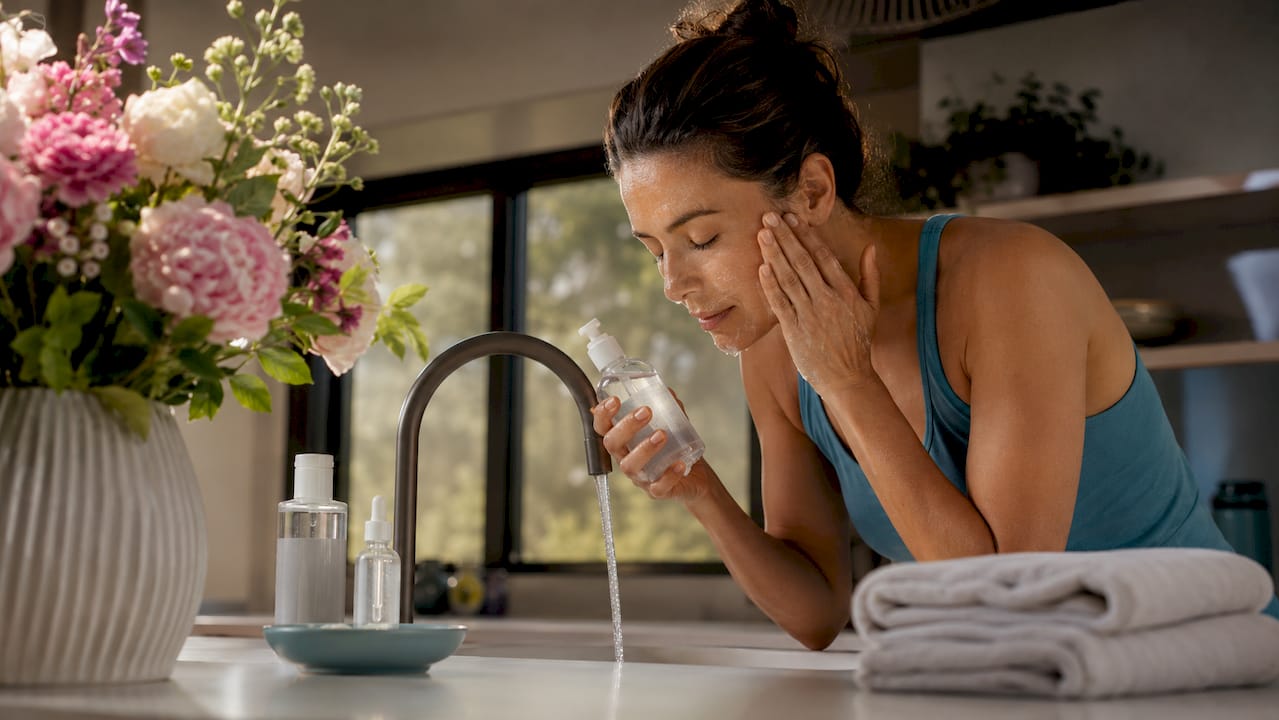
Your cleanser sets the tone for everything that follows. Harsh surfactants strip your skin’s lipid barrier, the protective layer that keeps moisture in and irritants out. A pH-balanced cleanser removes dirt and excess oil without disrupting that barrier. Look for formulas free of sodium lauryl sulfate, which is one of the most common barrier-disrupting ingredients in drugstore cleansers.
Broad-spectrum SPF 30+ sunscreen
Daily broad-spectrum sunscreen is the single most effective anti-aging intervention available without a prescription. Randomized controlled trials confirm it prevents photoaging, wrinkle formation, and pigmentation changes. Think of SPF as your regimen’s non-negotiable. Skipping it on cloudy days or in winter undoes the work of every other product in your routine.
Retinol
Retinol applied consistently signals fibroblasts in the dermis to produce more procollagen type I, which is the structural protein responsible for firm, plump skin. A 2026 randomized controlled trial confirmed measurable improvements in skin elasticity and firmness from topical retinol use over 24 weeks. Visible results typically appear after 8–12 weeks. Patience is not optional here. It is part of the process.
Niacinamide
Niacinamide at 4–5% concentration reduces hyperpigmentation, improves skin elasticity, and supports a healthy skin barrier alongside ceramides and hyaluronic acid. It also carries a lower irritation risk than retinol, making it a great pairing for people with reactive skin. Think of niacinamide as the team player of your routine: it makes everything else work better.
Vitamin C serum
Vitamin C is a necessary cofactor for collagen synthesis and a potent antioxidant that reduces elastin degradation from oxidative stress. Vitamin C serums also inhibit melanin synthesis, which means they help fade dark spots while protecting against UV and pollution damage. Apply it in the morning before sunscreen for maximum protective benefit.
Moisturizer with ceramides, hyaluronic acid, and peptides
Moisturizers containing ceramides, hyaluronic acid, and peptides maintain barrier integrity and hydration in aging skin that is prone to dryness. As we age, our natural ceramide levels decline, which leads to dryness and fine lines. A good moisturizer is not just comfort. It is barrier repair in a jar.
Pro Tip: If you are new to actives, start with niacinamide before adding retinol. It conditions your barrier and reduces the chance of irritation when you eventually introduce retinol.
How to structure your daily anti-aging skincare routine
A well-sequenced routine maximizes absorption and minimizes irritation. The general rule is to apply products from lightest to heaviest texture. Watery serums go before creams. Actives go before moisturizer. Sunscreen is always last in the morning.
Morning routine: step by step
- Cleanse with a gentle, pH-balanced cleanser. Use lukewarm water and pat your skin dry. Do not rub.
- Apply vitamin C serum while your skin is still slightly damp. Vitamin C absorbs best at a lower pH, so apply it before anything else.
- Layer niacinamide if you use it as a separate serum. It layers well over vitamin C without causing the “niacin flush” that older formulations sometimes triggered.
- Apply moisturizer to lock in hydration and create a smooth base for sunscreen.
- Finish with SPF 30+ sunscreen. This is the last step, every single morning, rain or shine.
Pro Tip: Apply your vitamin C serum to slightly damp skin. The extra moisture helps it spread more evenly and absorb faster, which means less pilling under your moisturizer.
Evening routine: step by step
- Double cleanse if you wore sunscreen or makeup. An oil-based cleanser first, then your regular gentle cleanser. This removes SPF residue that water-based cleansers often miss.
- Apply retinol to dry skin. Applying retinol to damp skin increases absorption and irritation risk. Wait at least 20 minutes after cleansing before applying.
- Wait 10–15 minutes, then apply your moisturizer. This “buffer method” reduces retinol irritation without significantly reducing its effectiveness.
- Use a richer night cream if your skin feels dry. Nighttime is when your skin repairs itself, so a ceramide-rich moisturizer supports that process.
The evening routine is where the real anti-aging work happens. Retinol works best at night because UV exposure degrades it. Your skin’s cell turnover rate also peaks between 11 p.m. and 4 a.m., so applying repair-focused ingredients before bed gives them the best possible environment to work.
For toners and essences, apply them after cleansing and before serums. They are optional, but a hydrating toner with hyaluronic acid or glycerin can add a useful layer of moisture, especially in dry climates or heated indoor environments.
How to customize your regimen for sensitive skin or common challenges
Sensitive skin does not mean you have to skip the most effective ingredients. It means you need to introduce them more carefully. The pulsing strategy for retinol is the most practical approach: apply retinol 2–3 nights per week instead of nightly, then gradually increase frequency as your skin builds tolerance. This approach maintains barrier integrity while still delivering the collagen-stimulating benefits.
Here are the most common challenges and how to address them:
- Redness and flaking from retinol. Reduce frequency to once or twice per week. Apply moisturizer first as a buffer, then retinol on top. This slows absorption slightly and cuts irritation significantly.
- Dryness and tightness. Add a hyaluronic acid serum before your moisturizer. Hyaluronic acid acts like a sponge, drawing water into the skin and holding it there. Pair it with a ceramide-rich cream to seal that moisture in.
- Slow or no visible results. Most people abandon their routine too early. Consistent application over 8–24 weeks is required before visible improvements appear. Skin cell turnover takes time, and collagen remodeling takes even longer.
- Irritation from layering multiple actives. Do not use retinol and vitamin C on the same night. Use vitamin C in the morning and retinol at night. Alternate niacinamide as needed to calm any reactivity.
- Sensitive skin that cannot tolerate retinol at all. Peptides offer a gentler alternative that still promotes collagen repair. They signal fibroblasts similarly to retinoids but without the irritation profile. Look for peptides like Matrixyl (palmitoyl pentapeptide-4) or copper peptides in your serum or moisturizer.
Barrier support is the foundation of sensitive skin management. Ceramides, hyaluronic acid, and niacinamide all reinforce the skin’s lipid barrier. When your barrier is healthy, it tolerates actives better and holds moisture more effectively. Think of barrier repair as the prerequisite for everything else.
What lifestyle habits maximize your anti-aging regimen results?
Topical products do the heavy lifting, but lifestyle habits either amplify or undermine their effects. Studies link balanced diet, adequate hydration, and sun protection with measurably slower signs of skin aging. Your regimen and your daily habits work together.
Here are the habits that make the biggest difference:
- Wear sunscreen year-round, not just in summer. UVA rays, which cause deep skin aging, penetrate clouds and glass. Photoaging is cumulative. Every unprotected exposure adds up over years.
- Stay hydrated. Water intake supports skin plumpness and elasticity from the inside. No topical moisturizer fully compensates for chronic dehydration.
- Eat for collagen synthesis. Vitamin C from food sources (citrus, bell peppers, strawberries) supports the same collagen production pathway that topical vitamin C targets. Protein intake also provides the amino acids your skin uses to build collagen.
- Exfoliate gently and infrequently. Chemical exfoliants like lactic acid support cell turnover without the micro-tears that physical scrubs can cause. Once or twice per week is enough. Over-exfoliation damages the barrier and accelerates the very aging you are trying to prevent.
- Prioritize sleep. Skin repair peaks during deep sleep. Chronic sleep deprivation raises cortisol levels, which degrades collagen and slows repair.
- Reduce smoking and limit alcohol. Both accelerate oxidative stress in skin tissue, which degrades elastin and collagen faster than normal aging does.
The table below summarizes how lifestyle factors map to specific skin aging concerns:
| Lifestyle habit | Skin aging concern it addresses |
|---|---|
| Daily SPF 30+ sunscreen | Photoaging, wrinkles, pigmentation |
| Adequate hydration | Dryness, loss of plumpness |
| Vitamin C-rich diet | Collagen synthesis, oxidative damage |
| Gentle chemical exfoliation | Dull skin, uneven texture, cell turnover |
| Quality sleep | Collagen repair, cortisol regulation |
| Avoiding smoking | Elastin preservation, oxidative stress |
The National Institute on Aging recommends consulting a dermatologist for personalized treatment plans, particularly when over-the-counter products are not delivering results. Most cosmetic anti-aging products lack FDA approval and clinical efficacy testing, so professional guidance helps you separate what works from what is just well-marketed. A dermatologist can also prescribe tretinoin, the prescription-strength retinoid with the most clinical evidence behind it.
Key Takeaways
Building an effective anti-aging regimen requires consistent use of SPF 30+, retinol, vitamin C, niacinamide, and a ceramide-rich moisturizer, applied in the correct sequence morning and night.
| Point | Details |
|---|---|
| SPF is non-negotiable | Daily broad-spectrum SPF 30+ is the most evidence-backed anti-aging step available without a prescription. |
| Retinol takes time | Visible improvements from retinol appear after 8–12 weeks of consistent use, not days. |
| Sequence matters | Apply products lightest to heaviest: serum, then moisturizer, then SPF in the morning. |
| Sensitive skin needs pulsing | Use retinol 2–3 nights per week to build tolerance and protect the skin barrier. |
| Lifestyle amplifies results | Hydration, sleep, diet, and sun avoidance directly support the collagen and elastin your topicals are working to preserve. |
Why I think most people overcomplicate their anti-aging routine
After years of reading the clinical literature and watching people cycle through elaborate 10-step routines only to quit in frustration, I have come to a firm conclusion: simplicity wins. The women who see the best long-term results are not the ones with the most products. They are the ones who pick three or four well-chosen products and use them every single day without fail.
The biggest mistake I see is piling on actives too fast. Someone reads about retinol, niacinamide, vitamin C, AHAs, and peptides all in the same week, buys all of them, and starts using everything at once. Their skin breaks out or flakes, they panic, and they abandon the whole routine. The irony is that each of those ingredients works. The problem is the pace of introduction, not the ingredients themselves.
The second mistake is expecting results in two weeks. Retinol takes 8–12 weeks to show measurable improvements in skin structure. Collagen remodeling is a biological process, not a cosmetic trick. If you understand that you are working with your skin’s natural repair cycle rather than against it, the waiting becomes easier.
My honest recommendation: start with a gentle cleanser, a vitamin C serum in the morning, and a retinol product two nights per week. Add SPF every single morning without exception. Give that routine 12 weeks before you add anything else. You will be surprised how much that simple stack can do. Check out the science behind skincare routines if you want a deeper look at why consistency matters more than complexity.
— Thomas
Cosmedica-skincare products that support your anti-aging routine
Cosmedica-skincare formulates its products around the same clinically proven ingredients covered in this guide. The Super Serum Set combines retinol, niacinamide, and vitamin C in one curated kit, which makes it a practical starting point for anyone building a new routine. For targeted niacinamide support, the 10% Niacinamide + Zinc Treatment Serum delivers a clinical-strength dose with low irritation risk. Cosmedica-skincare’s full anti-aging product collection includes moisturizers enriched with ceramides and peptides, making it straightforward to find products that fit each step of the morning and evening routines described here. All formulations are cruelty-free and dermatologist-informed.
FAQ
What is the most important step in an anti-aging regimen?
Daily broad-spectrum SPF 30+ sunscreen is the single most effective anti-aging step. Randomized controlled trials confirm it prevents photoaging, wrinkle formation, and pigmentation changes more reliably than any other over-the-counter product.
How long does it take to see results from retinol?
Visible results from retinol typically appear after 8–12 weeks of consistent use. A 2026 randomized controlled trial confirmed measurable improvements in skin elasticity and firmness after 24 weeks of topical retinol application.
Can I use retinol and vitamin C in the same routine?
Use vitamin C in the morning and retinol at night. Applying them at separate times prevents potential pH conflicts and reduces the risk of irritation while still delivering the full benefit of both ingredients.
What should I do if retinol irritates my skin?
Reduce retinol application to 2–3 nights per week using the pulsing method, and apply moisturizer before retinol as a buffer. If irritation persists, switch to a peptide-based serum as a gentler alternative that still supports collagen repair.
When should I start an anti-aging skincare routine?
Prevention is more effective than reversal, and starting with a minimalist routine of a gentle cleanser and daily SPF 30+ is beneficial for many women in their 30s. Adding actives like retinol and vitamin C in your early 30s gives your skin the best chance of maintaining elasticity and collagen density over time.