

Hydration Tips for Skin: Your Science-Backed Guide
TL;DR:
- Effective skin hydration combines humectants to attract water, emollients to smooth, and occlusives to seal moisture. Consistent routines, proper ingredient layering, and environmental protection support maintaining optimal skin water content. Topical application of humectants like hyaluronic acid is more effective than drinking water alone for surface hydration.
Skin hydration is defined as the water content within skin cells and the ability of the skin barrier to hold that moisture in place. The best hydration tips for skin work on two fronts: pulling water into the skin with humectants like hyaluronic acid, and sealing it there with occlusives like ceramides. When both steps are in place, skin stays plump, elastic, and visibly younger. Cosmedica-skincare builds every hydrating formula around this exact principle, because adding water without locking it in is like filling a bucket with a hole in the bottom.
1. What are the best hydration tips for skin?
The most effective skin hydration methods combine three ingredient types: humectants, emollients, and occlusives. Products combining all three deliver better results than any single ingredient alone. Think of it as a three-step relay: one ingredient attracts water, one smooths the surface, and one locks everything in.
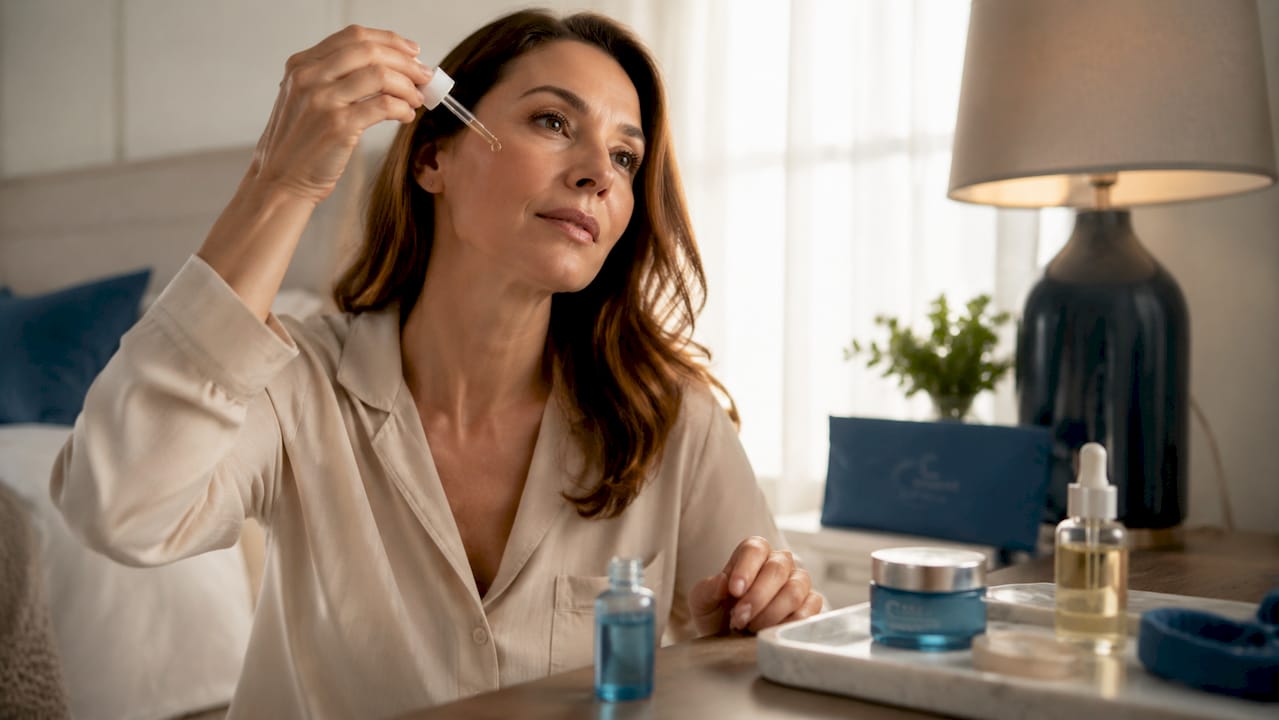
Each ingredient type plays a distinct role. Humectants draw moisture from the environment or deeper skin layers into the outer skin. Emollients fill the gaps between skin cells, making the surface feel soft and smooth. Occlusives sit on top and physically block water from evaporating.
Layering these three types in the right order is the foundation of any effective routine. We will walk through each category in detail so you know exactly what to look for on a label.
2. Key ingredients that hydrate skin effectively
Humectants are the water magnets of skincare. Hyaluronic acid can bind up to 1,000 times its weight in water. That is an extraordinary amount of moisture for a single molecule, which is why hyaluronic acid shows up in nearly every effective hydrating serum. Glycerin and urea are two other powerful humectants that work similarly, pulling water into the stratum corneum, the outermost layer of skin.
Emollients repair and smooth the skin surface. Ceramides are the standout here. Ceramide creams mimic the natural lipid barrier, improving moisture retention especially in dry or eczema-prone skin. Fatty acids like linoleic acid also fall into this category, filling microscopic cracks in the skin surface and restoring a healthy texture.
Occlusives are the sealers. Petrolatum is the gold standard, forming a near-impermeable film over the skin. Mineral oil and shea butter are gentler alternatives that still provide meaningful protection. Applying occlusives over damp skin reduces transepidermal water loss by up to 98%. That number tells you exactly how powerful the right application technique can be.
Pro Tip: Apply your hyaluronic acid serum while your face is still slightly damp from cleansing. The humectant will pull that surface moisture directly into your skin rather than drawing it up from deeper layers.
A quick note on product texture: ointments and thick creams create a stronger occlusive seal than lightweight lotions. If you have very dry skin, reach for a cream or ointment rather than a watery lotion for your final step.
3. Daily habits that support skin moisture levels
Your lifestyle choices affect your skin’s water content just as much as the products you apply. Here are the habits that make the biggest difference.
-
Drink water consistently. Water intake supports overall skin health, but there is an important nuance. Drinking water improves skin health in a general sense, but topical humectants hydrate the skin surface more directly. The skin is the last organ to receive water from what you drink. Hydrating from the inside out is still worth doing, just do not expect it to replace a good serum.
-
Eat water-rich foods. Cucumber, watermelon, celery, and strawberries all have high water content. These foods contribute to systemic hydration and also deliver antioxidants that protect the skin barrier from oxidative damage.
-
Switch to lukewarm showers. Hot water washing strips natural oils from the skin, disrupting the moisture barrier and leaving skin tight and dry. Keep showers short and cool, and pat skin dry rather than rubbing.
-
Use a gentle cleanser. Harsh soaps remove the natural oils that help your skin hold water. Look for sulfate-free formulas labeled for sensitive or dry skin. Cleansing twice a day is usually enough; more than that tips into over-washing territory.
-
Run a humidifier indoors. Humidifiers replenish ambient moisture, reducing the amount of water the air pulls from your skin. This matters most in winter or in climate-controlled offices where the air is consistently dry.
-
Moisturize immediately after washing. Applying your moisturizer within two minutes of washing traps residual moisture before it evaporates. This single timing habit can noticeably improve how your skin feels by the end of the day.
Pro Tip: Keep a small facial mist or hydrating toner at your desk. A quick spritz midday refreshes the humectant layer on your skin, especially in air-conditioned environments.
4. How to build an effective hydration routine
A well-ordered hydration routine for skin follows a simple rule: thinnest to thickest. Lighter, water-based products go on first so they can penetrate the skin. Heavier creams and oils go on last to seal everything in.
Here is the sequence that works for most skin types:
- Step 1: Cleanse with a gentle, sulfate-free cleanser. Pat skin until slightly damp, not bone dry.
- Step 2: Apply a humectant serum like a hyaluronic acid serum on damp skin. Press it in gently rather than rubbing.
- Step 3: Apply an emollient such as a ceramide-rich moisturizer. This smooths the surface and begins repairing the lipid barrier.
- Step 4: Seal with an occlusive if your skin is very dry. A thin layer of a balm or rich night cream locks in everything underneath.
- Step 5: Apply SPF in the morning. Sunscreen protects the barrier from UV damage, which degrades ceramides and accelerates moisture loss.
The table below shows how to adjust this sequence based on skin type and climate.
| Skin type / condition | Humectant choice | Occlusive strength | Best time to apply |
|---|---|---|---|
| Normal skin | Hyaluronic acid serum | Light lotion | Morning and evening |
| Dry or very dry skin | Hyaluronic acid + glycerin | Rich cream or ointment | Evening especially |
| Oily or combination skin | Lightweight glycerin toner | Gel moisturizer | Morning and evening |
| Dry climate or winter | Hyaluronic acid serum | Thick cream or balm | Evening, seal overnight |
| Humid climate | Lightweight hyaluronic acid | Gel or light lotion | Morning and evening |
One technique worth knowing is slugging. Slugging with petroleum jelly creates a physical barrier overnight that locks in hydration and prevents transepidermal water loss. It sounds intense, but a thin layer on clean, moisturized skin is all you need. It works especially well in winter or after a long flight.
For a detailed walkthrough on using facial serums correctly, the order and technique matter more than most people realize.
5. Environmental factors that affect skin hydration
Your environment is constantly working against your skin’s moisture levels. Knowing the specific threats helps you counter them before damage builds up.
Dry indoor air is the most underestimated factor. Heated or air-conditioned spaces pull moisture from the epidermis continuously throughout the day. A humidifier set to 40–60% relative humidity creates a buffer that slows this process significantly. Many people treat humidifiers as optional, but indoor air can dramatically dry out skin, particularly in winter. A humidifier belongs in your skincare toolkit.
Cold and hot weather both stress the skin barrier in different ways. Cold air is low in humidity, which increases moisture loss. Hot weather triggers sweating, which can deplete surface moisture and irritate the barrier if not rinsed and rehydrated promptly. Adjusting your routine seasonally is not optional if you want consistent results.
Pollution and UV exposure degrade ceramides and other barrier lipids over time. This makes the skin progressively less effective at holding water. Daily SPF use is the single most protective step you can take against this kind of cumulative damage.
Here are the key protective measures to put in place:
- Apply broad-spectrum SPF 30 or higher every morning, even on cloudy days.
- Use a barrier cream or rich moisturizer before going outside in cold, windy weather.
- Rinse your face after heavy sweating and reapply your humectant serum.
- Run a humidifier in your bedroom overnight for consistent overnight repair.
- Avoid sitting directly in front of heating vents or air conditioning units for long periods.
Understanding why aging skin needs hydration adds another layer to this picture. As skin ages, ceramide production drops and the barrier becomes thinner, making environmental stressors even more damaging.
Key takeaways
Effective skin hydration requires combining humectants to attract water, emollients to smooth the barrier, and occlusives to seal moisture in, supported by consistent lifestyle habits and environmental awareness.
| Point | Details |
|---|---|
| Layer ingredients in order | Apply humectants first on damp skin, then emollients, then occlusives for maximum retention. |
| Hyaluronic acid is the top humectant | It binds up to 1,000 times its weight in water, making it the most effective surface hydrator available. |
| Lifestyle habits matter | Lukewarm showers, gentle cleansers, and a humidifier all protect the moisture barrier daily. |
| Adjust for your environment | Cold, dry, or air-conditioned spaces require richer occlusives and more frequent reapplication. |
| Drinking water alone is not enough | Topical humectants hydrate the skin surface more directly than water intake alone. |
Why I think most people are overcomplicating skin hydration
After years of working with skincare formulations and watching people build increasingly complex routines, I keep coming back to the same observation: most people are solving the wrong problem. They add more products when what their skin actually needs is better sequencing and one good occlusive.
The science here is not complicated. Hydrating skin is about managing balance: you add water with a humectant, you smooth the surface with an emollient, and you seal it with an occlusive. That is three steps. A five-step serum layering ritual does not beat a well-executed three-step routine.
The other thing I see constantly is people drinking more water and expecting their skin to change. It does not work that way. The skin is the last organ to receive water from what you consume. Topical application of hyaluronic acid reaches the stratum corneum directly. Drinking water is good for your health, but it is not a substitute for a serum.
What actually moves the needle is consistency and timing. Applying your moisturizer on damp skin every single day beats using an expensive product incorrectly. The humidifier in your bedroom overnight does more for your skin than most people expect. Small, consistent habits compound over weeks in a way that a single product purchase never will.
If I could give one piece of advice, it is this: learn what humectants, emollients, and occlusives do, then build the simplest possible routine that covers all three. You do not need ten products. You need the right three, applied in the right order.
— Thomas
Cosmedica-skincare products for your hydration routine
Cosmedica-skincare formulates every hydrating product around the humectant-emollient-occlusive principle. The Trio Facial Serum Kit pairs hyaluronic acid serums with barrier-supporting ingredients, giving you the full layering sequence in one set. For a complete selection of moisturizers with emollient and occlusive properties, the moisturizer collection covers every skin type and climate. All Cosmedica-skincare products are cruelty-free, dermatologist-tested, and formulated for real, lasting results without the complicated regimen.
FAQ
What is the difference between hydration and moisturization?
Hydration refers to water content within skin cells, while moisturization means preventing that water from escaping. Effective skincare addresses both by combining humectants and occlusives.
How often should you apply a hydrating serum?
Apply a hyaluronic acid serum twice daily, morning and evening, on slightly damp skin for best results. Consistency matters more than frequency beyond that.
Can oily skin still be dehydrated?
Yes. Oily skin produces excess sebum but can still lack water content in the cells. A lightweight, oil-free hyaluronic acid serum addresses dehydration without adding unwanted shine.
Does drinking more water improve skin hydration?
Drinking water supports overall health, but the skin receives water last among all organs. Topical humectants like hyaluronic acid hydrate the skin surface more directly and reliably than increased water intake alone.
What is the best way to hydrate skin overnight?
Apply a humectant serum on clean, damp skin, follow with a ceramide-rich moisturizer, and seal with a thin occlusive layer such as a balm or rich night cream. This sequence prevents transepidermal water loss while you sleep.