

How to Prep Skin for Makeup: Your Flawless Base Guide
TL;DR:
- Proper skin prep involves a sequence of cleansing, toning, moisturizing, applying sunscreen, and then primer to ensure makeup applies smoothly and lasts longer. Waiting appropriate times between each step is crucial to prevent pilling, patchiness, and foundation breakdown, especially after sunscreen application. Matching product formulas to skin type and layering correctly over time creates a flawless, durable makeup base.
Skin preparation is the essential skincare process before makeup that creates a clean, hydrated, and protected canvas for a smooth, long-lasting finish. Knowing how to prep skin for makeup correctly means more than just slapping on moisturizer. It means following the right sequence, using the right products for your skin type, and giving each layer time to absorb. When you skip or rush these steps, even the best foundation will crease, pill, or fade within hours. Get the prep right, and your makeup looks better and lasts longer.
What is the correct step-by-step routine to prep skin for makeup?
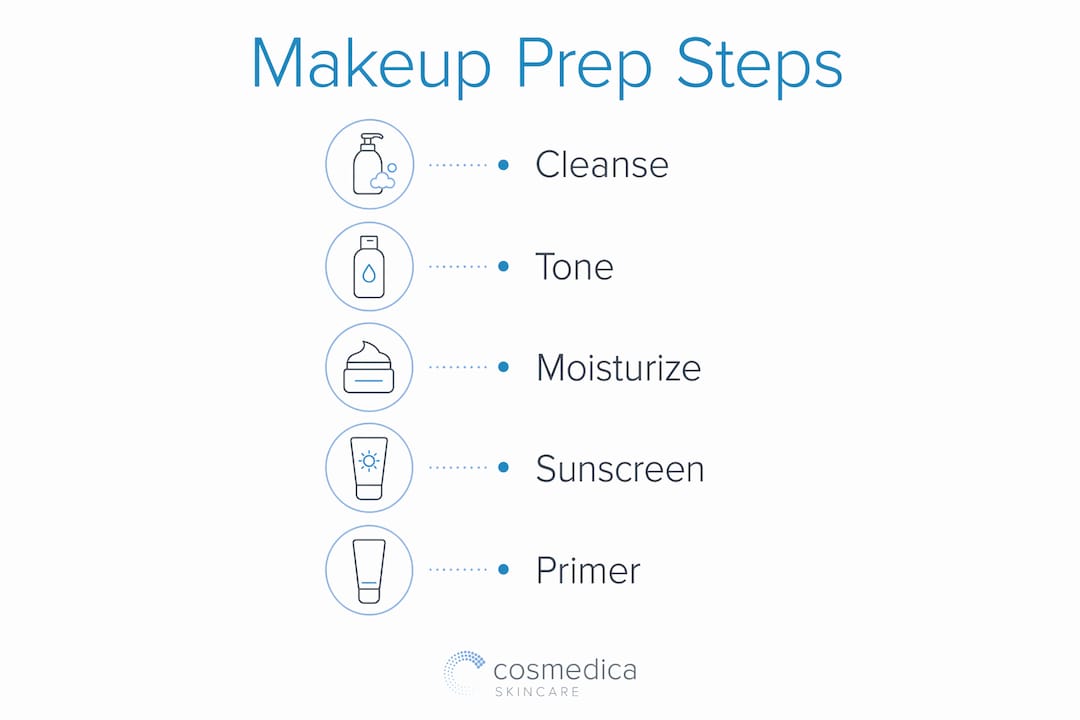
The pre-makeup prep sequence is: Cleanse, Tone, Moisturize, Sunscreen, then Primer. Each step builds on the last, and skipping one disrupts the whole system. Think of it like painting a wall. You would not skip sanding or priming and expect a perfect coat of paint.
Here is the full routine with timing:
- Cleanse. Wash your face with a gentle cleanser suited to your skin type. This removes overnight oils, sweat, and any residue that would block absorption of the products that follow.
- Tone. Apply a toner with a cotton pad or your hands. Toners balance your skin’s pH after cleansing and help the next layers absorb more effectively.
- Moisturize. Apply your moisturizer and wait 2–3 minutes before moving on. This wait time lets the moisturizer sink into the skin rather than sitting on top and mixing with sunscreen.
- Sunscreen. Apply a dedicated SPF after your moisturizer. Chemical sunscreens need 15 minutes to fully absorb, while mineral sunscreens benefit from at least 3–5 minutes to set. That gap matters for both protection and makeup adherence.
- Primer. Apply primer last, then wait 1–2 minutes before foundation. Primer creates a smooth surface and helps makeup grip the skin.
Pro Tip: Set a timer on your phone between sunscreen and primer. Those few minutes feel long when you are rushing, but they prevent pilling and patchiness.
Here is a quick reference for timing between steps:
| Step | Product type | Wait time before next step |
|---|---|---|
| Moisturizer | Cream or lotion | 2–3 minutes |
| Sunscreen | Chemical formula | 15 minutes |
| Sunscreen | Mineral formula | 3–5 minutes |
| Primer | Any formula | 1–2 minutes |
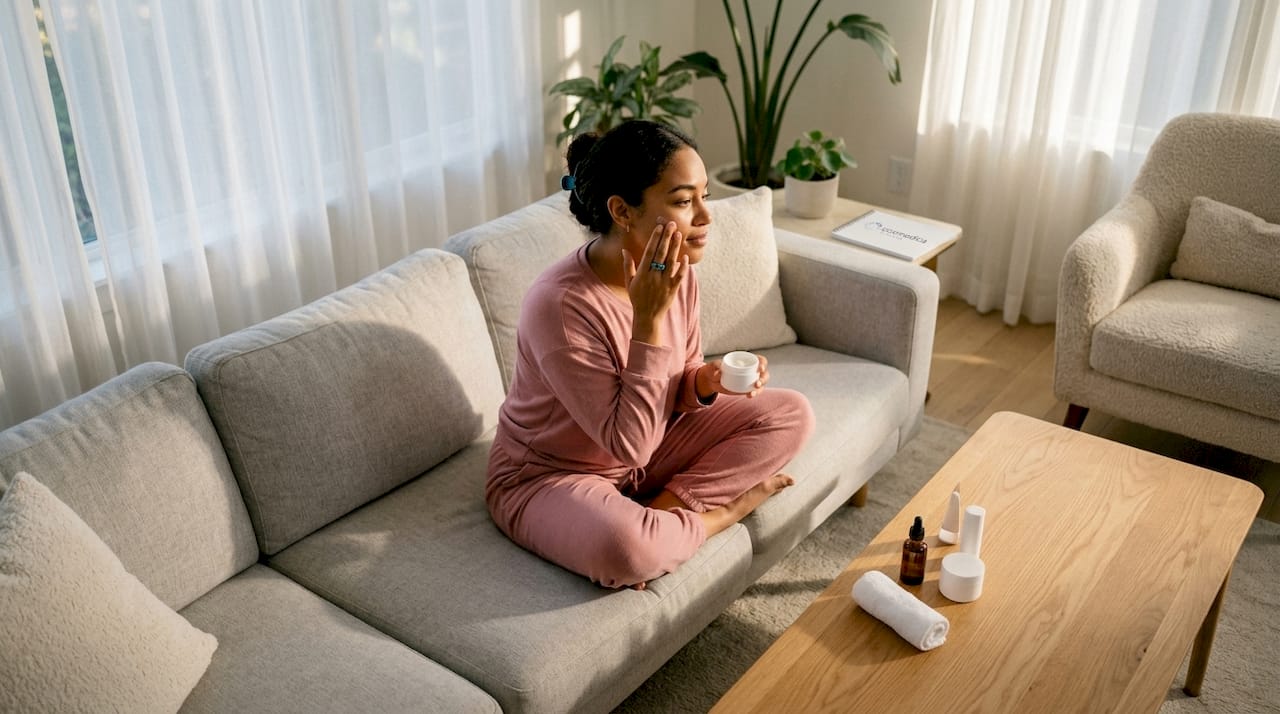
Layering order directly affects how your makeup performs. Applying foundation over a wet primer or unabsorbed SPF causes patchiness and uneven finish. Patience here is not optional. It is the difference between makeup that lasts six hours and makeup that separates by noon.
How to tailor skin prep steps based on skin type
Not every skin type needs the same products. Using the wrong cleanser or moisturizer for your skin type is one of the most common reasons makeup looks off before the day even starts.
Dry skin
- Use a mild cream or oil-based cleanser that does not strip natural oils.
- Choose a rich, emollient moisturizer with ingredients like ceramides or hyaluronic acid to plump the skin before foundation.
- Pick a hydrating primer that adds another layer of moisture and prevents foundation from clinging to dry patches.
- Avoid powder-heavy products that emphasize flakiness.
Oily skin
- Use a foaming or gel cleanser to remove excess sebum without over-drying.
- Choose a lightweight, gel-based moisturizer labeled non-comedogenic. Even oily skin needs hydration. Skipping moisturizer signals your skin to produce more oil, which makes makeup break down faster.
- Pick a mattifying primer to control shine and extend wear.
Combination skin
- Use a balanced, gentle cleanser that handles both oily and dry zones without aggravating either.
- Apply a lightweight lotion overall, and add a richer cream only to dry patches.
- Use a pore-blurring primer on the T-zone and a hydrating primer on drier cheek areas.
Sensitive skin
- Use a fragrance-free, soap-free cleanser to avoid triggering redness.
- Choose a fragrance-free, hypoallergenic moisturizer with calming ingredients like niacinamide or ceramides.
- Patch test any new primer before applying it to your full face.
Exfoliation timing also changes by skin type. Exfoliating 2–3 times per week keeps skin smooth, but avoid exfoliating the morning of a makeup day. Exfoliating the evening before gives skin time to calm overnight, so foundation glides on without sensitivity or redness.
Pro Tip: If you have combination skin, think of your face as two separate zones and treat them with different products rather than one compromise formula that works poorly for both.
What are the best practices for product layering and wait times?
Correct layering order and absorption times are the most overlooked part of skin prep. Most people know the steps but rush through them, which causes makeup pilling, separation, and early breakdown.
Here is how to layer correctly:
- Apply products from thinnest to thickest consistency. Serums go before moisturizer. Moisturizer goes before sunscreen. This order lets lighter formulas penetrate the skin before heavier ones seal the surface.
- Do not mix product bases. Silicone-based primers pair with silicone foundations. Water-based primers pair with water-based foundations. Mixing these causes separation and a patchy finish within hours.
- Wait between every layer. Rushing is the main cause of pilling. Give each product time to absorb before adding the next.
- Use the right amount. More product does not mean better results. A pea-sized amount of primer is enough for most faces. Excess product sits on top of skin and interferes with foundation.
- Press, do not rub. Pressing products into skin with your fingertips or a damp sponge improves absorption compared to rubbing, which can disrupt the layer beneath.
Applying foundation over wet primer or unabsorbed sunscreen is the single biggest cause of makeup pilling. The recommended wait after primer is at least 1–2 minutes, and after chemical sunscreen, at least 15 minutes. Skipping these windows does not save time. It costs you your entire makeup look.
Chemical sunscreens need more time than mineral ones because they work by absorbing UV rays through a chemical reaction in the skin. Mineral sunscreens sit on top of the skin and reflect UV rays, so they are ready faster. If you are short on time, a mineral SPF cuts your wait from 15 minutes down to 3–5 minutes without sacrificing protection.
To speed up absorption without skipping steps, apply products in a warm room, use thinner layers, and press gently rather than rubbing. These small adjustments keep your routine efficient without compromising results.
How do advanced treatments and long-term hydration impact makeup prep?
The best makeup base is not built on the morning of an event. Long-term hydration starting days before an event creates a smoother finish than any last-minute product can deliver. This is one of the most important insights dermatologists share, and most people overlook it entirely.
Key ingredients to focus on in the days leading up to an event:
- Hyaluronic acid acts like a sponge, pulling moisture into the skin and plumping fine lines. Think of it as giving your skin a big drink of water that lasts. A hyaluronic acid serum used consistently for several days before an event visibly improves skin texture.
- Ceramides strengthen the lipid barrier, which keeps moisture locked in and reduces the rough texture that makes foundation look uneven.
- Niacinamide reduces redness, minimizes the appearance of pores, and helps regulate oil production. These three effects together create a calmer, more even surface for foundation.
These ingredients work best when used consistently, not just applied once the night before. Hydrating ingredients like hyaluronic acid, ceramides, and niacinamide plump and smooth skin, maintain moisture, and reduce redness before makeup.
For professional treatments, timing is everything. Laser toning and intensive facials should be scheduled weeks before a big event, not days before. These treatments can cause temporary redness or sensitivity that makes makeup application difficult and uneven. Scheduling them at least two to four weeks out gives skin time to recover and show the full benefit.
Antioxidants like vitamin C also play a role in pre-event prep. Applied in the morning under sunscreen, vitamin C protects skin from environmental damage and brightens the complexion, which means your foundation needs less coverage to look polished.
Key Takeaways
Proper skin prep is the foundation of flawless makeup, requiring the right sequence, correct wait times, and products matched to your skin type.
| Point | Details |
|---|---|
| Follow the correct sequence | Cleanse, Tone, Moisturize, Sunscreen, then Primer for best makeup adherence. |
| Respect wait times | Allow 2–3 minutes after moisturizer, 3–15 minutes after sunscreen, and 1–2 minutes after primer. |
| Match products to skin type | Use gel moisturizers for oily skin, rich creams for dry skin, and fragrance-free formulas for sensitive skin. |
| Align product bases | Pair silicone primers with silicone foundations and water-based primers with water-based foundations to prevent pilling. |
| Build hydration over time | Start using hyaluronic acid, ceramides, and niacinamide days before an event for a smoother makeup base. |
Why skin prep is the real secret to great makeup
Here is something I have noticed after years of paying close attention to skincare routines and makeup results: most people blame their foundation when their skin prep is actually the problem.
The biggest mistake I see is treating skin prep as optional or interchangeable. People swap products randomly, skip wait times because they are running late, and then wonder why their makeup looks cakey by midday. The routine is not arbitrary. Every step has a purpose, and the sequence matters more than the individual products.
What I find genuinely underrated is the role of consistency over time. One good skincare night before a big event will not undo weeks of skipped moisturizer or irregular cleansing. Skin that is consistently hydrated and protected creates a naturally better canvas. You will notice that your foundation applies more smoothly, your primer grips better, and your makeup lasts longer when your daily skincare routine is solid.
Seasonal changes also trip people up. A routine that works perfectly in summer can leave skin tight and flaky in winter, which throws off your entire makeup application. Adjust your moisturizer weight and add a hydrating serum when the weather shifts. Do not wait until your foundation starts looking patchy to make the change.
The other thing worth saying plainly: product compatibility matters as much as product quality. A high-quality silicone primer layered under a water-based foundation will still pill. No amount of expensive product fixes a base mismatch. Learn your product formulas and match them deliberately.
— Thomas
Cosmedica-skincare products that support your makeup prep routine
A well-stocked prep routine does not need to be complicated or expensive. Cosmedica-skincare offers cruelty-free, dermatologist-tested formulas designed to support every step of your pre-makeup routine. The Super Serum Set delivers concentrated hyaluronic acid and niacinamide to hydrate and calm skin in the days leading up to an event. For daily moisture, the moisturizer collection includes lightweight gels for oily skin and richer creams for dry skin, so you can match your formula to your skin type without guessing. All formulas are built to absorb quickly and layer cleanly under sunscreen and primer.
FAQ
What is the correct order to prep skin before makeup?
The correct order is Cleanse, Tone, Moisturize, Sunscreen, then Primer. Each step prepares the skin for the next layer and improves makeup adherence and longevity.
How long should I wait between skincare and makeup?
Wait 2–3 minutes after moisturizer, at least 3–5 minutes after mineral sunscreen (or 15 minutes after chemical sunscreen), and 1–2 minutes after primer before applying foundation.
Does oily skin still need moisturizer before makeup?
Yes. Skipping moisturizer on oily skin triggers excess oil production, which causes makeup to break down faster. Use a lightweight, non-comedogenic gel moisturizer instead of skipping the step entirely.
Can I exfoliate the morning of a makeup day?
Avoid exfoliating the morning of makeup application. Exfoliate the evening before to allow skin to calm overnight, which creates a smoother surface for foundation the next day.
Why does my makeup pill even when I use primer?
Pilling usually happens when product bases do not match or when layers have not fully absorbed. Pair silicone primers with silicone foundations, and water-based primers with water-based foundations, and always wait the recommended time between each layer.