

Marula Oil Benefits: Hydration, Barrier Support, and Use
Marula oil is a fast-absorbing, high-oleic botanical oil that reliably moisturizes skin, supports barrier function, and works as a light emollient for hair ends and cuticles. It’s best for dry or mature skin that needs a hydration boost, and it doubles as a quick fix for split ends and ragged cuticles. The moisturizing effect has real clinical backing; claims about wrinkle reversal or scalp repair are still more promise than proof.
Key Takeaways
Marula oil’s clinical strength lies in hydration and low irritancy, while its anti-aging and hair-growth claims remain preliminary and unproven in humans.
| Point | Details |
|---|---|
| Hydration is proven | A clinical trial of 20 volunteers found significant moisturizing effects with no irritation. |
| Oleic acid drives absorption | Oleic acid makes up roughly 69% to 73% of the oil, aiding fast skin penetration. |
| Anti-aging claims are preliminary | Enzyme-inhibition benefits were strong in leaf and stem extracts, weak in the pressed oil. |
| Best for dry ends and cuticles | Hair and nail benefits are practical but backed mostly by anecdotal reporting, not trials. |
| Cosmedica-skincare’s hydration kit | The Intense Hydration Kit pairs a humectant serum with an occlusive layer for similar barrier support. |
This article is general information, not a substitute for advice from a qualified doctor. Consult a qualified healthcare professional about your own circumstances before acting on anything here.
Table of Contents
- What Is Marula Oil and What’s Actually In It?
- Does Marula Oil Actually Improve Your Skin?
- Is Marula Oil Good for Hair and Nails?
- How Should You Use Marula Oil in a Routine?
- Who Should Patch Test Marula Oil First?
- What Does the Research Actually Show?
- How to Choose and Store Marula Oil the Right Way
- How Cosmedica-skincare Builds Hydration Into Its Formulas
- Sources
- FAQ
What Is Marula Oil and What’s Actually In It?
Marula oil comes from the kernel of Sclerocarya birrea, a tree native to southern Africa, harvested for centuries before it ever showed up on a skincare shelf. Producers press the kernels cold to keep the oil’s nutrients intact, though cheaper solvent-extracted versions exist and tend to lose some of that potency along the way. What makes this oil behave so well on skin comes down to its fat and vitamin makeup.
- Oleic acid (the dominant fatty acid, giving it a silky, fast-absorbing texture)
- Palmitic and linoleic acids (support barrier lipids)
- Palmitoleic acid (adds emollient softness)
- Vitamins C and E (antioxidant protection)
GC-MS analyses put oleic acid content at roughly 69% to 73%, with palmitic and linoleic acids rounding out the rest. That high oleic concentration is also why the oil resists rancidity longer than many plant oils, a trait cosmetic chemists call oxidative stability.
Does Marula Oil Actually Improve Your Skin?
Yes, and this is the part backed by real clinical data: marula oil moisturizes, softens, and helps skin hold onto water better than it would bare. A study of 20 volunteers found it produced statistically significant hydration and occlusive effects (p < 0.001) with no signs of irritation, on both dry and normal skin types.

The mechanism is straightforward once you break it down. Oleic acid mimics lipids already found in your skin, so the oil slips into the outer layer rather than sitting on top like a heavier balm would. That “biomimetic” quality, paired with vitamin E’s antioxidant punch, is why marula oil shows up in photoaging research as a promising, if not yet fully proven, tool against UV-driven skin damage. The anti-aging story is more nuanced than marketing copy suggests. Concentrated extracts from marula leaves and stems showed strong anti-collagenase activity in lab testing, but the pressed kernel oil itself performed far more modestly in the same assays. In other words, don’t expect the oil alone to erase fine lines.
Dry, mature, and sensitive skin types tend to see the most benefit. If you have very oily or acne-prone skin, or a known tree-nut sensitivity, patch test first or steer clear altogether.
Is Marula Oil Good for Hair and Nails?
For dry ends and rough cuticles, yes. As a topical emollient, marula oil smooths the hair cuticle and seals in moisture on nails, but the science backing scalp repair or faster hair growth is thin. Consumer health reporting reflects what’s actually been studied here: plenty of anecdotal enthusiasm, not much in the way of controlled trials.
- Apply a small amount to hair ends, not the scalp, to avoid weighing down fine or oily roots.
- Use it as a pre-shampoo treatment on dry, damaged strands to soften texture before washing.
- Massage a drop into cuticles nightly for softer, less ragged nail edges.
- Skip daily scalp application unless your scalp itself runs dry.
If you’re comparing oils for hair specifically, options like argan oil treatments offer a similar lightweight profile worth knowing about, though marula’s higher oleic content gives it a slightly richer feel on very dry ends.
How Should You Use Marula Oil in a Routine?
Marula oil works best as the last step in a routine, or blended sparingly into a heavier cream rather than applied as a standalone treatment for most people.
- Face: Apply one to three drops after your serum and moisturizer, while skin is still slightly damp, to lock in hydration.
- Hair: Warm a pea-size amount between your palms and smooth it over dry ends only, once or twice a week.
- Nails: Massage a small drop into each cuticle nightly, working it in with light circular pressure.
Pro Tip: Apply marula oil after sunscreen in the morning, not before. Oils can dilute or shift how evenly SPF sits on skin, so save it for nighttime routines or apply it under sunscreen only in trace amounts.
Layering it with retinol or acids? Give those actives a few minutes to absorb first, then seal with the oil to buffer potential irritation.
Who Should Patch Test Marula Oil First?
Patch testing takes five minutes and can save you a week of irritated skin. Apply a small amount to your inner forearm, wait 24 to 48 hours, and check for redness, itching, or bumps before using it on your face.
- Anyone with a tree-nut allergy should be cautious. Marula belongs to the Anacardiaceae family, which includes cashews and pistachios, and cross-reactivity has been documented in that plant family.
- If you’re using medicated treatments for eczema or active acne, check with a dermatologist before adding an occlusive oil into the mix.
- Store the bottle in a cool, dark cabinet, not on a sunny bathroom shelf, since light and heat speed up rancidity.
- Choose opaque glass bottles over clear plastic to extend shelf life.
- A sour or crayon-like smell means it’s time to toss it, even if the bottle isn’t empty.
What Does the Research Actually Show?
The clinical picture for marula oil is stronger than most botanical oils, but it’s still narrower than the marketing suggests. Moisturizing and low irritancy have real trial data behind them. Compositional studies consistently confirm the high oleic acid content. Anti-aging and enzyme-inhibition claims come mostly from lab work on concentrated extracts, not the oil itself, and long-term human trials are still missing.
| Study Type | Sample/Method | Main Finding |
|---|---|---|
| Clinical trial | n=20 volunteers | Significant moisturizing and occlusive effects (p < 0.001), no irritation |
| Compositional (GC-MS) | Fatty-acid methyl ester analysis | Oleic acid ~69–73%, supporting rapid absorption |
| In vitro enzyme studies | Extract vs. pressed oil comparison | Extracts showed strong anti-collagenase activity; oil showed limited activity |
- Proven: hydration, occlusion, low irritancy on healthy skin
- Promising: antioxidant and photoprotective support
- Unsupported: wrinkle reversal, hair growth, scalp treatment claims
How to Choose and Store Marula Oil the Right Way
Look for cold-pressed marula oil with a short ingredient list, ideally just the oil itself, packaged in a dark glass bottle with a dropper to limit light and air exposure. Skip products padded with fragrance or filler oils if you want the full fatty-acid profile intact.
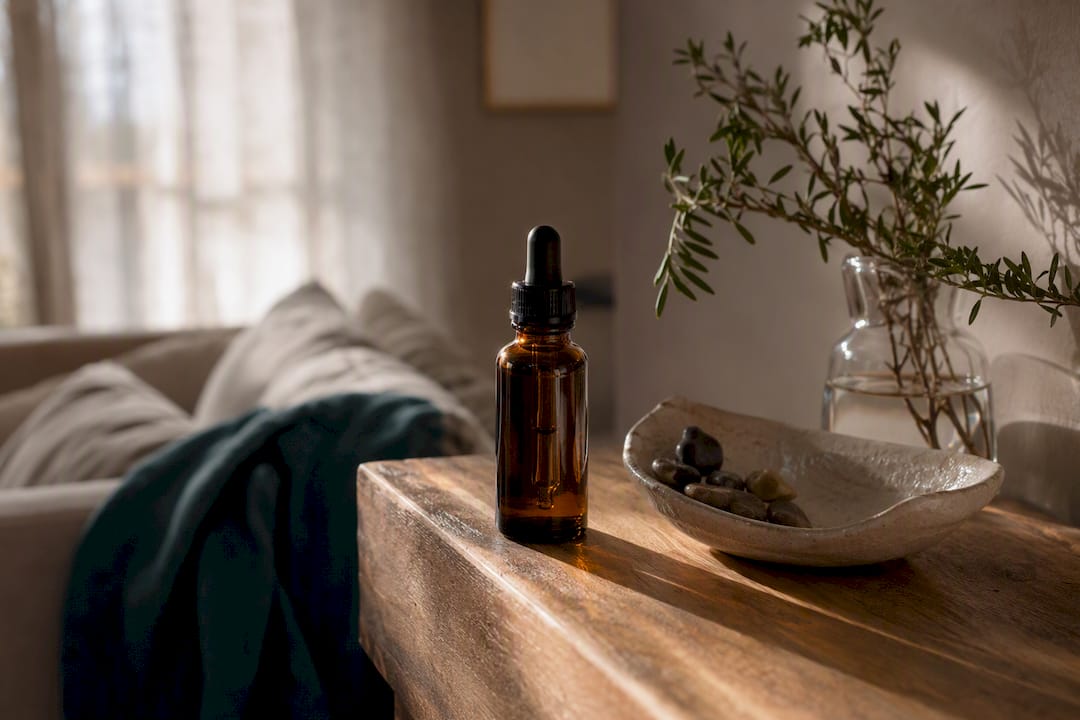
Keep the bottle away from windowsills and direct heat, and use it within the timeframe printed on the label, typically 12 to 24 months once opened. If you want a multitasking formula rather than a single-ingredient oil, look for one blended with humectants or antioxidants rather than diluted with cheaper carrier oils that dampen its effectiveness.
A Realistic Take on When Marula Oil Earns Its Spot
I’d reach for marula oil on dry or mature skin, and on hair ends or cuticles that need softening. For oily or acne-prone skin, or when you just want plain hydration without the richness, a lighter oil or a humectant-based product often serves you better.
How Cosmedica-skincare Builds Hydration Into Its Formulas
Cosmedica-skincare takes the same evidence-first approach to facial oils that this article just walked through: favor ingredients with real clinical support for hydration and barrier function, skip the overhyped claims, and keep formulas cruelty-free and affordable. If you’re building a routine around barrier support rather than a single oil, the Intense Hydration Kit pairs a hydrating serum with an occlusive layer designed to work the way marula oil does, sealing moisture in rather than just sitting on the surface. Curious whether an anti-aging routine is worth building around barrier support instead of chasing quick fixes? The anti-aging guide breaks down what actually moves the needle. Whatever you add, patch test first and check the full ingredient list on the product page before committing.
Sources
- Chemical Profile and Potential Applications of Sclerocarya birrea (A.Rich.) Hochst. subsp. caffra (Sond.) Kokwaro Kernel Oils: Analysis of Volatile Compounds and Fatty Acids - PMC
- Thieme E-Journals - Planta Medica International Open / Abstract
- Medical News Today — Marula oil benefits
FAQ
What Are the Disadvantages of Marula Oil?
It can feel too rich for oily or acne-prone skin, and people with tree-nut allergies face a cross-reactivity risk since marula belongs to the Anacardiaceae family. Evidence for hair growth and deep anti-aging claims is also limited.
Can I Use Marula Oil on My Face Every Day?
Most people with dry or normal skin can use it daily, applied as the last step after serums and moisturizer. If your skin runs oily, limit it to a few nights a week or skip it entirely.
Is Marula Oil Good for the Face?
Yes, for hydration and barrier support specifically. Clinical testing on 20 volunteers confirmed significant moisturizing and occlusive benefits with no irritation.
Does Marula Oil Get Rid of Wrinkles?
No, not reliably. Lab studies found strong anti-aging enzyme activity in concentrated plant extracts, but the pressed oil itself showed much weaker effects in the same testing.
Recommended
- Argan Oil Benefits for Skin, Hair, and Hydration – Cosmedica Skincare
- Facial Oil Jojoba vs Rosehip Oil: Which One Is Better For Your Skin – Cosmedica Skincare
- What Emollients Really Do for Your Skin’s Barrier – Cosmedica Skincare
- Hyaluronic Acid for Skin: Benefits for Clear, Youthful Skin – Cosmedica Skincare