

Sensitive Skin Tips List: Your Practical Daily Guide
TL;DR:
- Managing sensitive skin involves prioritizing barrier repair and avoiding irritants like fragrance and harsh ingredients. A simple routine with gentle, pH-balanced cleansers, mineral SPF, and barrier-supportive ingredients promotes skin stability and reduces reactions. Consistent, seasonally adjusted care over four to six weeks fosters lasting improvement, emphasizing patience and targeted product choices.
If you have sensitive skin, you already know the frustration. You try a new moisturizer and wake up red. You switch cleansers and your face burns for a week. Managing sensitive skin isn’t about finding one magic product. It’s about understanding your skin barrier and building a routine that works with it, not against it. This sensitive skin tips list cuts through the noise and gives you practical, dermatologist-backed habits you can actually use, starting today.
Table of Contents
- Key takeaways
- The sensitive skin tips list: what to look for in products first
- 1. Use lukewarm water and keep showers short
- 2. Choose a gentle, pH-balanced cleanser
- 3. Moisturize immediately after cleansing
- 4. Apply mineral sunscreen every single day
- 5. Simplify your entire routine at once
- 6. Patch test every new product
- 7. Avoid over-exfoliating
- 8. Switch to fragrance-free laundry products
- 9. Stay hydrated from the inside out
- 10. Protect skin from environmental stressors
- How different routine approaches compare for sensitive skin
- How to adapt your sensitive skin routine by season and skin type
- My honest take on managing sensitive skin
- Cosmedica-skincare has what sensitive skin actually needs
- FAQ
Key takeaways
| Point | Details |
|---|---|
| Barrier health comes first | Sensitive skin reacts because the barrier is compromised, so repair and protect it before adding actives. |
| Fragrance is a top trigger | Fragrance-free products across your entire routine reduce flare-ups more than any single product swap. |
| Simpler routines work better | A short routine with the right ingredients outperforms a complex one loaded with potential irritants. |
| Mineral sunscreen is your friend | Zinc oxide and titanium dioxide formulas protect sensitive skin without the irritants found in chemical options. |
| Seasonal adjustment matters | Shift product textures and hydration levels with the seasons to keep your barrier strong year-round. |
The sensitive skin tips list: what to look for in products first
Before we get into daily habits, we need to talk about product selection. Applying even the most well-intentioned routine with the wrong products will keep your skin reactive. Think of your skin barrier like a brick wall. When it’s healthy, it keeps moisture in and irritants out. When it’s damaged, everything gets through, and that’s when you feel the redness, burning, and tightness.
Sensitive skin results from a compromised barrier that lets irritants in and moisture out. So the first job of any product you use is to avoid making that barrier worse.
What to look for on a label:
- Fragrance-free (not “unscented,” which can still contain masking fragrances)
- Noncomedogenic and hypoallergenic designations
- Short ingredient lists with recognizable, functional ingredients
- Ceramides, niacinamide, hyaluronic acid, and glycerin as key actives
What to avoid:
- Synthetic fragrance or parfum
- Harsh alcohols like SD alcohol or denatured alcohol
- Artificial dyes and colorants
- Essential oils (yes, even lavender and tea tree can trigger reactions)
- Sulfates in cleansers
Fragrance is a leading cause of contact dermatitis, and the tricky part is that even “natural” botanical scents can provoke the same inflammatory response as synthetic fragrance. When in doubt, skip it entirely.
Ingredients like ceramides, niacinamide, hyaluronic acid, and glycerin are your best allies. They work by replenishing what a weakened barrier is already missing, filling in the gaps and locking in moisture rather than just sitting on the surface.
Pro Tip: Flip every new product over and scan for “fragrance,” “parfum,” or any essential oil in the first five ingredients. If they’re there, put it back.
1. Use lukewarm water and keep showers short
Hot showers feel amazing, but for sensitive skin they’re one of the sneakiest sources of irritation. Heat strips the lipid layer of your skin, the fatty shield that keeps moisture locked in. Lukewarm water and a shower time under ten minutes makes a real difference, especially in winter when your barrier is already working overtime.
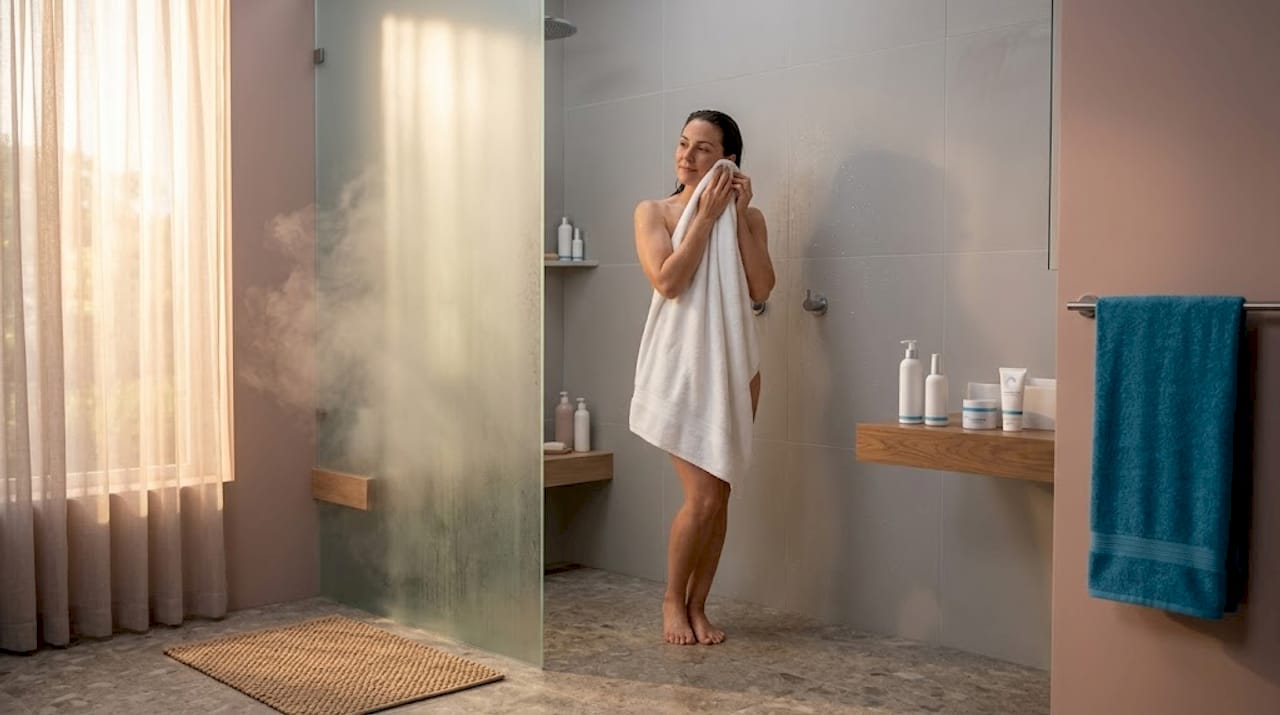
The same rule applies to washing your face. Splash with lukewarm water, rinse thoroughly, and pat dry with a soft towel. Never rub.
2. Choose a gentle, pH-balanced cleanser
Your cleanser is the first product your skin touches, which makes it the most likely upstream cause of reactivity. If your moisturizer doesn’t seem to be helping, your cleanser might be the reason. Cleansing is often the upstream culprit when moisturizers fail to relieve skin reactivity.
Look for low-foam or no-foam formulas labeled specifically for sensitive skin. Gentle, non-foaming, pH-balanced cleansers prevent barrier stripping far better than traditional foamy formulas. A good cleanser should leave your skin feeling clean but never tight, dry, or squeaky.
3. Moisturize immediately after cleansing
Apply your moisturizer within 60 seconds of patting your face dry. Skin absorbs hydrating ingredients most effectively when it’s still slightly damp, and leaving it bare even for a few minutes in dry air can worsen water loss.
Reach for formulas containing aloe, glycerin, and squalane to maintain softness and elasticity. These ingredients act like a sponge for moisture, pulling hydration into the skin and holding it there. Check out our guide on barrier-supportive ingredients if you want to go deeper on what to look for.
4. Apply mineral sunscreen every single day
Sun exposure is a major trigger for sensitive skin flares, and skipping SPF is one of the most common mistakes we see. The good news is that mineral sunscreens with zinc oxide and titanium dioxide are generally far safer for sensitive skin than chemical filters, which can include preservatives and alcohols that cause reactions.
Look for SPF 30 or higher, broad-spectrum protection, and a fragrance-free formula. Apply it as the last step in your morning routine. Sunscreen selection guided by avoiding fragrance, preservatives, and alcohol also improves daily-use consistency, which matters more than SPF number alone.
5. Simplify your entire routine at once
Here’s a truth that most skincare marketing doesn’t want you to hear: using fewer products is almost always better for sensitive skin. When you’re reacting, the instinct is to add something soothing. But more products mean more potential irritants.
Simplifying the entire routine at once, not just swapping one product, is what actually helps the barrier recover. Aim for three to four products maximum: a gentle cleanser, a barrier-supportive moisturizer, and a mineral SPF. That’s a solid, complete routine for most people with sensitive skin.
Pro Tip: Strip your routine down to three products for two weeks during a flare. Once your skin calms down, add back one product at a time with at least a week between each addition.
6. Patch test every new product
No matter how gentle the formula looks, patch test it before applying it all over your face. Apply a small amount to the inside of your wrist or behind your ear and wait 24 to 48 hours. If there’s no redness, itching, or swelling, it’s probably safe to try on your face.
A gradual, systematic approach of introducing one product at a time helps you track which products work and which cause reactions. This is how you avoid “reaction whiplash,” the frustrating cycle of not knowing which of your five new products caused the breakout.
7. Avoid over-exfoliating
Exfoliation can brighten and smooth your skin, but for sensitive skin it’s where most people go wrong. Physical scrubs with grainy particles cause micro-tears in the barrier and should generally be avoided. Chemical exfoliants are a gentler option, but even these need careful handling.
Dermatologists recommend gentle chemical exfoliants like mandelic acid no more than once or twice a week. Mandelic acid has a larger molecular structure than glycolic acid, so it penetrates more slowly and causes less irritation. If you’re in a flare-up, skip exfoliation entirely until your skin settles.
8. Switch to fragrance-free laundry products
Your skin isn’t just affected by your skincare products. The detergent you wash your pillowcase with, the fabric softener on your sheets, the scented dryer sheet in your towels: all of these can deposit fragrance residue on materials that touch your skin for hours every day.
Consistent use of fragrance-free products on both face and body reduces cumulative irritation. Switching to a fragrance-free laundry detergent is one of the easiest and most overlooked wins in a sensitive skin care routine. Wash pillowcases at least once a week.
9. Stay hydrated from the inside out
What you drink affects your skin. Dehydration reduces the skin’s ability to maintain its barrier function, making it more reactive and slower to recover. Aim for at least eight cups of water daily, and incorporate water-rich foods like cucumber, watermelon, and leafy greens.
Topical hydration matters just as much. A hyaluronic acid serum applied to damp skin acts like a reservoir, drawing moisture in from the environment and holding it against your skin. Think of it as giving your skin a long, slow drink of water from both inside and out.
10. Protect skin from environmental stressors
Wind, cold air, pollution, and central heating are all environmental factors that strip moisture and aggravate sensitive skin. In colder months, a physical barrier like a scarf can make a real difference for facial skin exposed to biting wind.
Using an antioxidant-rich product in your morning routine also helps neutralize free radical damage from pollution. Look for vitamin C or niacinamide, both of which protect the skin barrier while also brightening tone without significant irritation risk for most people.
How different routine approaches compare for sensitive skin
Not all skincare routines are created equal. Here’s a quick breakdown of how common choices stack up for people with sensitive skin.
| Approach | Benefits | Irritation risk |
|---|---|---|
| Simple 3-step routine (cleanser, moisturizer, SPF) | Minimizes cumulative irritation, easy to pinpoint reactions | Low |
| Complex multi-step routine (6+ products) | More targeted benefits | High, especially with actives layered together |
| Mineral sunscreen (zinc oxide/titanium dioxide) | Gentle, sits on skin surface, less reactive | Low |
| Chemical sunscreen (avobenzone, oxybenzone) | Lightweight texture, invisible finish | Medium to high for sensitive skin |
| Physical exfoliation (scrubs, brushes) | Immediate smoothing effect | High, micro-tears weaken barrier |
| Chemical exfoliation (mandelic, lactic acid) | Gentler removal of dead cells | Low to medium depending on frequency |
| Fragrance-free formulations | Reduces contact dermatitis risk significantly | Low |
| Botanical/scented formulas | May smell pleasant, marketed as “natural” | Medium to high, natural scents still trigger reactions |
The pattern here is clear. Less complexity and fewer potential irritants consistently win for sensitive skin management. Mineral filters over chemical ones, simple routines over stacked ones, and fragrance-free formulations across the board are the consistent themes that experts agree on.
How to adapt your sensitive skin routine by season and skin type
Even a well-dialed routine needs adjustments as your environment changes. Environmental factors like temperature changes and sun exposure directly affect how sensitive skin behaves. What works beautifully in July can leave your skin tight and flaky by November.
Here’s how to adapt:
- In winter: Switch to richer moisturizer textures like creams and balms. Add a hydrating serum underneath. Run a humidifier indoors to offset dry heating air. Reduce exfoliation to once a week or less.
- In summer: Lighter gel-based moisturizers prevent the pore-clogging that can come with heavier creams in heat and humidity. Keep your SPF consistent, even on overcast days.
- During flare-ups: Pare back immediately. Drop exfoliants, active serums, and any new products. Return to your core three: cleanser, barrier moisturizer, and SPF. Let your skin recover before reintroducing anything else.
- For dry or combination skin: Layer a hydrating serum containing hyaluronic acid under your moisturizer for extra water retention without adding oil. People with oily or acne-prone skin who also have sensitivity should focus on lightweight, oil-free formulas with niacinamide to balance without stripping.
- Tracking reactions: Keep a simple notes app log of new products and any reactions. Date it. After a few weeks, patterns become obvious, and you’ll know exactly what your skin tolerates.
Patience is genuinely the most underrated part of this process. Skin barrier repair takes four to six weeks of consistent care before you see meaningful change. That’s not a long time when you think about it, but it can feel long when you’re in the middle of a frustrating flare.
My honest take on managing sensitive skin
I’ve spent years seeing people overcomplicate sensitive skin care in ways that make things worse, not better. The skincare industry profits from the idea that more products equal more results. For sensitive skin, the opposite is usually true.
What I’ve found is that most people come to us mid-reaction, having already tried five new products in two weeks. The concept I call “reaction whiplash” is real. You can’t figure out what’s working when you change everything at once. The most effective thing I’ve seen is to strip the routine back to basics, wait until the skin genuinely calms down, then build up one product at a time.
My other honest observation is that people chase active ingredients before their barrier is ready for them. Retinol, vitamin C, acids: all of these are fantastic, but they require a healthy barrier to tolerate them well. Think of barrier repair as the foundation you lay before adding those finishing touches. Start with consistent routines and barrier-first ingredients. The actives will work so much better once your skin isn’t in a constant state of defense.
The mindset shift that helps most? Stop expecting weekly results. Give your skin a full month. Take photos. You’ll be surprised what steady, boring consistency actually delivers.
— Thomas
Cosmedica-skincare has what sensitive skin actually needs
At Cosmedica-skincare, we built our formulations around exactly the principles in this list: gentle, fragrance-free, and packed with ingredients like hyaluronic acid, ceramides, and niacinamide that your barrier genuinely needs. Every product is cruelty-free, dermatologist-tested, and designed to work with sensitive skin, not challenge it.
If you’re not sure where to start, our full product collection includes everything from barrier-supportive moisturizers to calming serums and gentle cleansers. We also have a sensitive skin collection curated specifically for reactive skin types. Whether you’re building a new routine from scratch or finally finding products that don’t cause a flare, we make it easy to shop with confidence and keep your skin happy.
FAQ
What is the first step in a sensitive skin routine?
Start with a gentle, fragrance-free, pH-balanced cleanser. Cleansing is often where barrier damage begins, so getting this step right sets the tone for everything that follows.
What ingredients should sensitive skin avoid?
Avoid fragrance, parfum, essential oils, harsh alcohols, and artificial dyes. These are the most common triggers of contact dermatitis and barrier disruption in sensitive skin.
Are mineral sunscreens really better for sensitive skin?
Yes. Mineral sunscreens with zinc oxide and titanium dioxide sit on top of the skin rather than absorbing into it, which reduces the risk of irritation compared to many chemical filter formulas.
How often should sensitive skin be exfoliated?
Once or twice a week at most, using a gentle chemical exfoliant like mandelic or lactic acid. Physical scrubs should generally be avoided, and exfoliation should stop entirely during active flare-ups.
How long does it take for sensitive skin to calm down?
Barrier repair typically takes four to six weeks of consistent, simplified care to show meaningful improvement. Introducing products one at a time helps you track progress without confusion.