

Why Anti-Aging Matters: A Science-Backed Guide for 30+
TL;DR:
- Lifestyle choices significantly influence biological aging, affecting skin function and systemic health.
- Effective anti-aging strategies combine consistent habits like good nutrition, sleep, exercise, stress management, and targeted skincare.
Anti-aging is defined as the practice of slowing biological aging through lifestyle choices, skincare, and targeted interventions that preserve both skin function and systemic health. Understanding why anti aging matters goes well beyond wanting to look younger. At least 50% of your aging rate is shaped by lifestyle choices rather than genetics. That means the habits you build today have a measurable, real impact on how your body ages at the cellular level.
Why anti-aging matters: the biology behind aging skin
Skin aging is not just a cosmetic issue. Your skin is an active organ that communicates with the rest of your body, and when it ages, it sends signals that affect your muscles, brain, and immune system.
Intrinsic vs. extrinsic aging
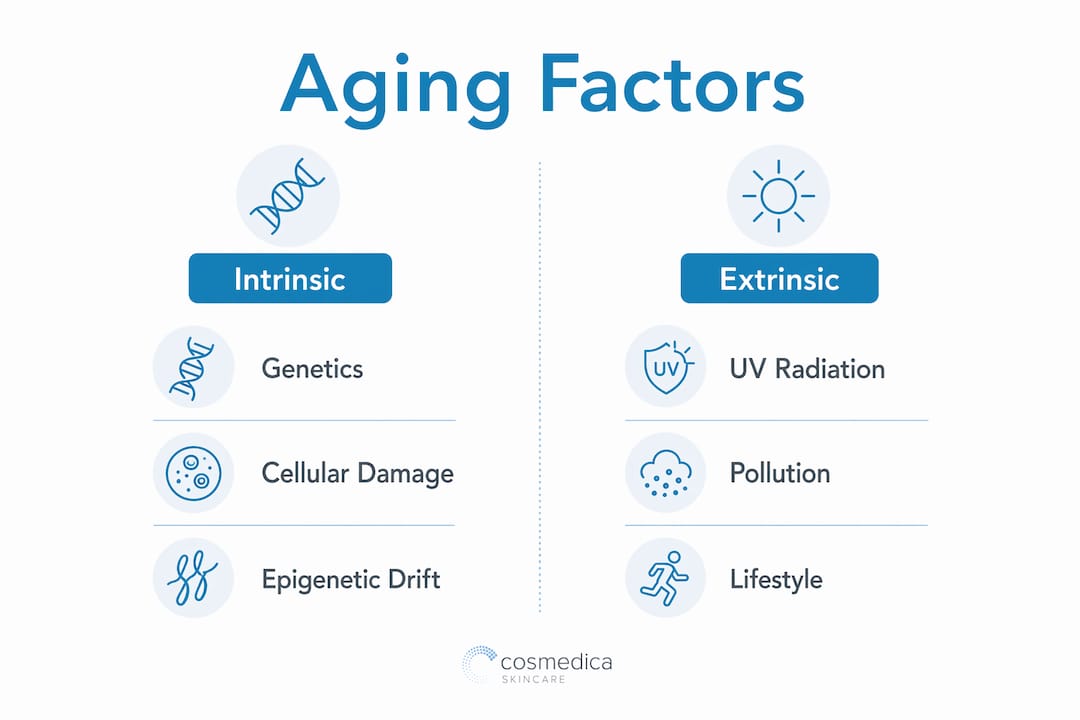
Skin aging falls into two categories. Intrinsic aging is the natural, time-driven process controlled by your genetics and internal biology. Extrinsic aging is driven by outside forces: UV radiation, pollution, smoking, and poor diet. Both types disrupt the skin’s barrier, immune response, and ability to regenerate. The good news is that extrinsic aging is largely preventable.
At the cellular level, aging skin accumulates senescent cells. Think of these like old, worn-out workers who refuse to retire but also stop doing their jobs. Senescent skin cells secrete inflammatory signals that travel beyond the skin, accelerating decline in muscles, bones, and even cognitive function. This is why caring for your skin is not vanity. It is biology.
Epigenetic drift and what it means for you
Epigenetic drift refers to changes in how your genes are expressed over time, without changing the DNA itself. Environmental damage, including something as common as childhood sunburn, accelerates epigenetic age at the molecular level. The encouraging part is that targeted topical treatments can modulate these age markers. Your skin’s biological clock is not fixed.
The gut-skin axis and systemic connections
Your skin does not age in isolation. The gut-skin axis describes the two-way communication between your digestive system and your skin. Chronic gut inflammation shows up as accelerated skin aging, and skin inflammation feeds back into systemic stress. Metabolic dysregulation, meaning poor blood sugar control and mitochondrial decline, speeds up both processes. Caring for your skin and your gut together produces better results than treating either alone.
| Aging Factor | Type | Impact on Skin | Modifiable? |
|---|---|---|---|
| UV radiation | Extrinsic | Collagen breakdown, pigmentation | Yes |
| Senescent cells | Intrinsic/Extrinsic | Systemic inflammation signals | Partially |
| Epigenetic drift | Both | Gene expression changes | Partially |
| Gut dysbiosis | Extrinsic | Barrier disruption, inflammation | Yes |
| Mitochondrial decline | Intrinsic | Reduced cell energy, slower repair | Partially |
What are the real health benefits of aging prevention?
The medical community has shifted its focus from simply living longer to living better. Mayo Clinic experts now frame anti-aging as critical to preserving healthspan, which means the years you spend healthy, independent, and mentally sharp. That shift matters because it reframes aging care as a health priority, not a beauty trend.
“Healthy lifestyle practices can reduce biological aging by up to a decade compared to unhealthy habits. Regular exercise, quality sleep, and plant-forward diets contribute substantially to slower aging.” Harvard Health
A decade of biological age difference is not a small gap. It is the difference between managing your own life at 75 and depending on others for daily tasks.
How aging affects your whole body, not just your face
The impact of aging on skin is visible, but the systemic effects are what make aging prevention genuinely urgent. Here is what accelerated biological aging looks like across the body:
- Chronic inflammation: Senescent cells release pro-inflammatory signals that raise the risk of heart disease, diabetes, and arthritis.
- Cognitive decline: Inflammatory aging pathways in the skin connect directly to neurological function. Skin health and brain health share more biology than most people realize.
- Reduced mitochondrial function: Mitochondria are your cells’ power generators. As they decline, energy drops, recovery slows, and tissue repair becomes less efficient.
- Weakened immune response: An aging skin barrier allows more pathogens and pollutants to enter, putting extra strain on your immune system.
- Loss of independence: Physical frailty linked to accelerated aging is one of the leading reasons adults lose independence before age 80.
Social factors compound these risks significantly. Social isolation raises premature death risk by about 30%, which is comparable to smoking 15 cigarettes daily. Loneliness is not just an emotional problem. It is a biological accelerant of aging.
How to prevent aging: practical lifestyle and skincare approaches
The most effective anti-aging strategy combines internal lifestyle habits with external skincare. Neither works as well alone. Lifestyle medicine research identifies six core pillars that directly influence how your skin and body age at the biological level.
The six pillars of lifestyle medicine for skin aging
-
Nutrition. A plant-forward diet rich in antioxidants, omega-3 fatty acids, and polyphenols reduces oxidative stress in skin cells. Think colorful vegetables, fatty fish, nuts, and berries. These foods feed your skin from the inside out.
-
Exercise. Regular physical activity improves circulation, which delivers oxygen and nutrients to skin cells. Exercise also reduces systemic inflammation and supports mitochondrial health, two of the biggest drivers of biological aging.
-
Stress management. Chronic stress elevates cortisol, which breaks down collagen and disrupts the skin barrier. Practices like mindfulness, breathwork, and even regular walks lower cortisol and slow stress-driven aging.
-
Sleep. Your skin repairs itself during deep sleep. Collagen synthesis, cell turnover, and immune function all peak at night. Consistently poor sleep accelerates epigenetic aging and weakens barrier function.
-
Avoiding toxins. UV radiation is the single largest extrinsic aging factor. Smoking degrades collagen and restricts blood flow to the skin. Alcohol dehydrates and inflames. Cutting these accelerators is one of the fastest ways to slow visible aging.
-
Social connection. As noted above, isolation accelerates biological aging. Maintaining strong social ties is not just good for your mood. It is measurably good for your cells.
What topical skincare actually does
A consistent science-backed skincare routine does three things that lifestyle alone cannot: it protects the skin barrier, delivers targeted active ingredients directly to skin cells, and removes environmental pollutants that drive surface-level inflammation. Gentle cleansing removes oxidative debris without stripping the lipid barrier. Antioxidant serums, particularly those containing vitamin C, neutralize free radicals before they damage collagen. Moisturizers reinforce the barrier and reduce transepidermal water loss.
Pro Tip: Layer your skincare in order of molecular weight: water-based serums first, then moisturizer, then SPF in the morning. This sequence lets each product absorb fully and work at its intended depth in the epidermis.
The synergy between lifestyle and topical care is real. A well-nourished, well-rested body responds better to active skincare ingredients. Think of lifestyle habits as preparing the soil, and topical products as planting the seeds.
Do anti-aging products actually work?
This is where we need to be honest with you. The anti-aging product market is enormous, and not every product earns its claims. Many over-the-counter anti-aging products lack rigorous clinical validation, with common issues including poor ingredient absorption, formula instability, and studies funded by the brands selling the products.
Here is what the evidence actually supports:
- Retinoids are the gold standard. Prescription retinoids and over-the-counter retinol are the most clinically validated topical agents for reducing fine lines, improving cell turnover, and stimulating collagen production. The evidence base here is decades deep.
- Vitamin C serums have solid support for brightening and antioxidant protection, though formulation stability matters enormously. An oxidized vitamin C serum does nothing.
- Peptides and growth factors show promise in smaller studies, but large, independent, controlled trials are still limited.
- Hyaluronic acid excels as a humectant, pulling moisture into the skin like a sponge. It does not reverse aging, but it significantly improves skin plumpness and barrier function.
- SPF is the single most evidence-supported anti-aging intervention available without a prescription. Daily broad-spectrum sunscreen prevents the UV-driven epigenetic damage that accelerates skin aging faster than almost anything else.
The key distinction is between cosmetic effects (how skin looks) and biological aging reversal (changing how cells function). Most over-the-counter products achieve the former. Retinoids, at sufficient concentrations, begin to approach the latter. Knowing how to select anti-aging products based on evidence rather than marketing claims saves you money and gets you real results.
Key Takeaways
Anti-aging matters because it directly shapes your healthspan, your skin’s systemic function, and your biological age, all of which are significantly modifiable through consistent lifestyle and skincare habits.
| Point | Details |
|---|---|
| Biological age is modifiable | At least 50% of aging rate is driven by lifestyle, not genetics. |
| Skin signals the whole body | Senescent skin cells release inflammation signals that affect muscles, brain, and immunity. |
| Healthspan over lifespan | Mayo Clinic frames anti-aging as preserving independence and cognition, not just appearance. |
| Six lifestyle pillars matter | Nutrition, exercise, sleep, stress management, social connection, and avoiding toxins all slow biological aging. |
| Retinoids lead the evidence | Among topical treatments, retinoids have the strongest clinical support for genuine skin aging reversal. |
What I’ve learned after years of watching people get anti-aging wrong
Here is my honest take: most people over 30 wait too long to start, and then overcorrect with expensive products that promise too much. The science is clear that the biggest gains come from the boring stuff. Sleep, sunscreen, vegetables, and stress reduction move the needle more than any serum on the market.
That said, I do not think topical skincare is overrated. A well-formulated retinol product used consistently for six months will show you results that no smoothie can replicate. The mistake is treating skincare as a substitute for lifestyle rather than a complement to it. When you combine both, the results compound in ways that genuinely surprise people.
The other thing I want to push back on is the idea that starting after 40 or 50 is too late. The research on epigenetic plasticity shows that your skin’s biological clock responds to intervention at any age. You will not undo decades of sun damage in a month, but you will slow the rate of future damage significantly. That is worth starting today, regardless of where you are right now.
My advice is simple: pick two lifestyle changes and one evidence-based topical product, and stay consistent for 90 days before adding anything else. Patience and consistency beat complexity every time.
— Thomas
Cosmedica-skincare’s approach to evidence-based anti-aging
Cosmedica-skincare builds its collections around the same principles this article covers: barrier support, antioxidant protection, targeted active ingredients, and formulas that work for real skin. Whether you are looking for vitamin C skincare to brighten and protect, focused anti-aging serums to address fine lines, or a complete gifts for skincare lovers set that covers every step of a science-backed routine, Cosmedica-skincare has cruelty-free, dermatologist-tested options at accessible prices. Every product is formulated to complement the lifestyle habits that actually move the needle on biological aging.
FAQ
What does anti-aging actually mean?
Anti-aging refers to practices that slow biological aging by preserving skin function, reducing systemic inflammation, and supporting cellular repair. It covers both lifestyle habits and topical skincare interventions.
When should you start an anti-aging routine?
Starting in your late 20s or early 30s is ideal, but research on epigenetic plasticity confirms that meaningful benefits are achievable at any age. Consistency matters more than timing.
What is the most effective anti-aging ingredient?
Retinoids are the most clinically validated topical anti-aging agents, with decades of evidence supporting their ability to stimulate collagen and improve cell turnover. Daily broad-spectrum SPF is equally critical for preventing UV-driven aging.
Can lifestyle changes really slow aging?
Yes. Healthy lifestyle habits can reduce biological age by up to a decade compared to unhealthy habits. Nutrition, sleep, exercise, and stress management all influence aging at the epigenetic level.
Does social connection affect aging?
Social isolation raises premature death risk by about 30%, comparable to smoking 15 cigarettes daily. Strong social ties are a measurable biological factor in healthy aging.