

Why Anti-Aging Starts Early: Your Prevention Guide
TL;DR:
- Skin aging begins before wrinkles appear, with collagen production declining around age 25.
- Early prevention through consistent habits and sun protection can delay visible signs of aging significantly.
Why anti-aging starts early, and why it matters now
Your skin starts aging before you notice a single wrinkle. Collagen production begins declining slowly around age 25, which is exactly why dermatologists and medical aestheticians recommend starting preventive care in your mid-20s, not your 40s. The good news? You don’t need a complicated, expensive routine. A few consistent habits, started early, can delay visible aging by years.
Here’s what early prevention actually does for your skin:
- Slows collagen loss before it becomes visible as deep wrinkles or sagging
- Shields against UV damage, the single biggest driver of premature skin aging
- Builds habits that compound over time, just like saving money early
- Reduces cumulative environmental damage from pollution, stress, and lifestyle choices
- Keeps skin hydrated and resilient, so it bounces back more easily from daily stressors
Think of it like dental hygiene. You brush your teeth every day not because they hurt, but because prevention is far easier than repair.
Table of Contents
- How do you know if you’re aging prematurely?
- What actually causes premature aging?
- When should you actually start anti-aging skincare?
- Practical strategies to slow down premature aging
- What the science and experts say about early skincare routines
- How early aging signs affect your confidence and daily life
- The biology behind why aging begins so soon
- Cosmedica-skincare makes early prevention simple and affordable
- FAQ
- Key Takeaways
How do you know if you’re aging prematurely?
Premature aging shows up subtly at first. Fine lines around the eyes and mouth, uneven skin tone, a slight loss of firmness in the cheeks, or skin that just looks a little dull. These early changes are easy to dismiss, but they’re your skin’s way of signaling that something is shifting beneath the surface.
There’s an important distinction here between intrinsic aging (the natural, genetically programmed kind) and extrinsic aging (the kind driven by your environment and habits). Intrinsic aging tends to show up as thin, dry skin and fine lines, usually starting around your 50s. Premature aging, by contrast, shows up earlier and looks different: coarser texture, uneven pigmentation, and a loss of elasticity that comes from sun exposure and environmental factors.
Watch for these early signs:
- Fine lines at rest (not just when you smile or squint)
- Rough or uneven skin texture
- Dryness that moisturizer doesn’t fully fix
- Dullness or a grayish tone
- Slight sagging along the jawline or under the eyes
- Dark spots or uneven pigmentation from past sun exposure
Catching these signs early means you still have a real window to slow them down.
What actually causes premature aging?
Skin aging has two engines running at once. The first is intrinsic: your genes determine how quickly your collagen and elastin break down, and that process begins in your mid-20s whether you do anything about it or not. The second engine is extrinsic, and this one you can actually influence.

UV radiation is the dominant factor in facial aging, making sun exposure the dominant extrinsic factor by a wide margin. Beyond UV radiation, smoking degrades collagen and elastin through chemical exposure and reduced blood flow to skin cells. Air pollution triggers oxidative stress, which damages the skin’s structural proteins. Chronic stress elevates cortisol, which breaks down collagen over time. Even repetitive facial movements, like squinting at a screen all day, contribute to expression lines.
One less-discussed driver is inflammaging, a term researchers use for low-level chronic inflammation that accelerates aging at the molecular level. Studies show this process begins in photoexposed skin in your 20s, well before any visible signs appear. It’s a silent process, which is exactly why waiting until you see damage to act is a losing strategy.
Pro Tip: Sunscreen is the single most effective anti-aging step you can take. Daily broad-spectrum SPF 30+ prevents photoaging, and photoaging is responsible for the majority of visible skin aging signs.
When should you actually start anti-aging skincare?
The short answer: your mid-20s. Medical aesthetician Annie Christenson at Houston Methodist puts it plainly: “Your skin is already starting its slow downhill trajectory around age 25.” That’s not meant to alarm you. It’s meant to motivate you to act before the damage accumulates.
The myth that anti-aging products are only for people in their 40s or 50s is genuinely outdated. Starting a preventative skincare routine in your 20s means you’re working with skin that still has strong repair capacity. You’re not trying to reverse damage. You’re preventing it from happening in the first place.
Key ingredients worth introducing gradually in your 20s and 30s:
- Broad-spectrum SPF 30+ daily, rain or shine
- Vitamin C serum in the morning for antioxidant protection
- Niacinamide to strengthen the skin barrier and even tone
- Retinol introduced slowly at night to support cell turnover
- AHAs (like lactic acid) for gentle exfoliation and texture
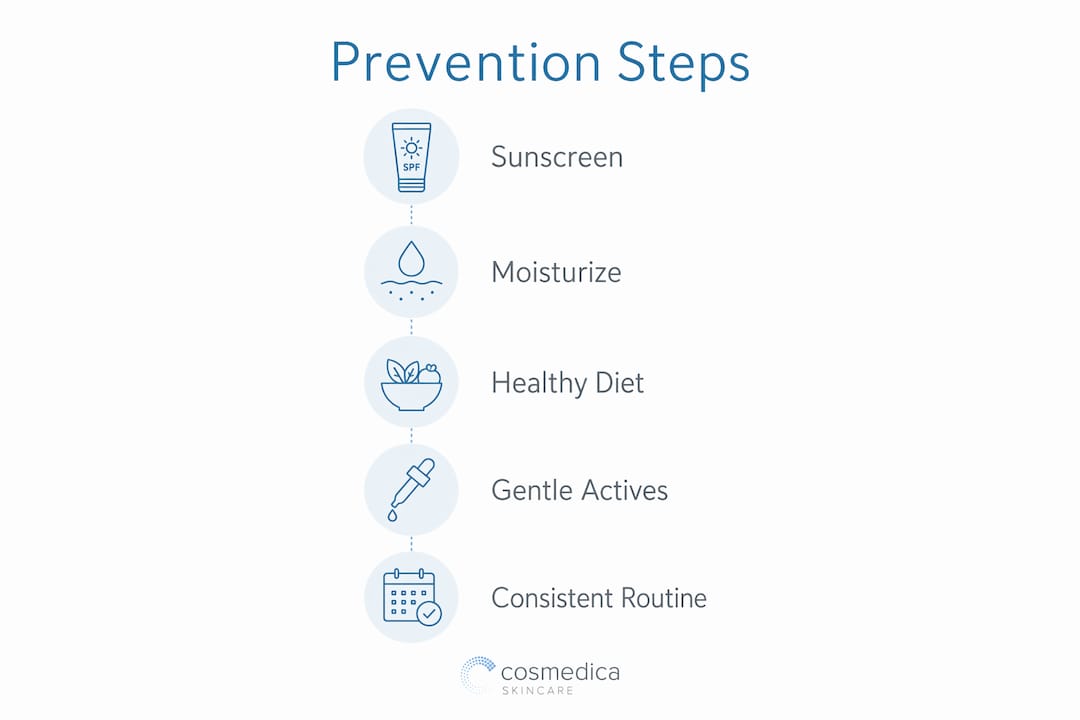
You don’t need all of these at once. Start with sunscreen and a good moisturizer, then layer in actives one at a time so your skin can adjust.
Practical strategies to slow down premature aging
Consistency beats intensity every time. A simple, tailored daily routine outperforms an elaborate regimen you abandon after two weeks. The foundations are unglamorous but genuinely effective:
- Daily SPF on your face, neck, and hands (yes, hands age visibly too)
- Gentle cleanser morning and night to remove pollutants without stripping your barrier
- Moisturizer suited to your skin type to maintain the lipid barrier
- Antioxidant serum in the morning to neutralize free radical damage
- Retinol or AHA a few nights per week to encourage cell renewal
Lifestyle habits matter just as much as products. Eating a diet rich in vegetables, fish, and olive oil has been associated with better resilience to photoaging. Staying hydrated, sleeping enough, managing stress, and not smoking all directly affect how your skin ages. These aren’t optional add-ons. They’re foundational.
Pro Tip: Less is more. Physician assistant Samantha Stein, PA-C at Cleveland Clinic compares anti-aging skincare to brushing your teeth: important to do, but it doesn’t need to be complicated or expensive.

What the science and experts say about early skincare routines
The science here is clear and consistent. Collagen production begins declining around age 25, and that decline is gradual but cumulative. Dermal fibroblasts, the cells responsible for producing collagen and elastin, become less active with age and accumulate damage from UV exposure and oxidative stress. By the time visible wrinkles appear, years of structural change have already occurred beneath the surface.
Cosmedica-skincare’s product line is built around this science. Their dermatologist-tested formulations use active ingredients like vitamin C, niacinamide, retinol, and hyaluronic acid at concentrations designed for real results without irritation. The Super Serum Set pairs antioxidant protection with barrier support, making it a practical starting point for adults in their 20s and 30s who want to build an effective routine without guessing. Cruelty-free and affordable, Cosmedica-skincare’s approach reflects what dermatologists actually recommend: targeted, consistent, skin-type-appropriate care.
One thing worth keeping realistic: topical skincare delivers gradual, modest improvements. No cream replicates a facelift. But consistent use of the right ingredients, started early, genuinely delays the structural changes that make skin look older.
How early aging signs affect your confidence and daily life
The psychological weight of noticing early aging signs is real, and it’s worth talking about. Seeing fine lines in your late 20s or uneven tone in your early 30s can feel jarring, especially when it happens before you expected it. For many people, it triggers self-consciousness that affects how they show up at work, in social settings, and in photos.
The key is perspective. As Annie Christenson notes, you want to look your best and feel good about yourself, but doing so with a realistic mindset matters. Obsessing over every new line isn’t healthy. Addressing skin health proactively, because you care about your overall wellbeing, is a very different motivation and a much more sustainable one.
Early prevention also removes a layer of anxiety. When you know you’re doing the right things consistently, you spend less mental energy worrying about what’s coming. That peace of mind is genuinely underappreciated as a benefit of starting early.
The biology behind why aging begins so soon
Here’s the part that surprises most people. Aging of the skin doesn’t begin at 40 or even 30. At the cellular level, it starts from the moment you’re born, and the visible signs we associate with aging are just the surface expression of decades of molecular change.
By your mid-20s, telomere shortening in skin cells begins to accelerate, reducing the ability of cells to replicate accurately. Reactive oxygen species (ROS), generated by UV exposure and normal metabolism, damage proteins, lipids, and DNA in skin cells. The body’s antioxidant defense systems, including enzymes like superoxide dismutase, become less efficient with age, allowing oxidative damage to accumulate. Senescent cells, those that have stopped dividing but haven’t been cleared away, release inflammatory signals that degrade the surrounding extracellular matrix, including collagen and elastin.
UV radiation alone accounts for about 80% of facial aging by driving these molecular processes faster than intrinsic aging alone would. This is why photoprotection isn’t just a cosmetic preference. It’s the most direct intervention available to slow the biological clock in your skin. Understanding the science of extrinsic aging helps clarify why the choices you make in your 20s have consequences that show up decades later.
Cosmedica-skincare makes early prevention simple and affordable
Starting an anti-aging routine in your 20s or 30s doesn’t require a dermatologist’s budget. Cosmedica-skincare offers cruelty-free, dermatologist-tested products formulated with the active ingredients experts actually recommend, at prices that make consistency realistic. Their 10% Niacinamide + Zinc Treatment Serum is a strong entry point for anyone looking to strengthen their skin barrier and even out tone early on. For those ready to build a full routine, the Super Serum Set combines antioxidant and active ingredient support in one straightforward package. Browse the full collection and find the right starting point for your skin type.
FAQ
Why do we start aging so early?
Collagen production begins declining around age 25, and low-level cellular processes like telomere shortening and oxidative stress accumulate from an early age. UV exposure accelerates these changes significantly, which is why visible aging often appears earlier than expected.
What are the early signs you’re aging before your time?
Fine lines at rest, rough or uneven skin texture, dullness, dark spots, and slight loss of firmness along the jawline are common early signs of premature aging, often driven by sun exposure, smoking, or chronic stress.
Can you reverse premature aging?
Some signs of premature aging can be reduced with consistent use of ingredients like retinol, vitamin C, and AHAs, but topical skincare delivers modest, gradual results. More significant reversal typically requires clinical procedures.
Is it ever too early to start anti-aging skincare?
No. Medical aestheticians recommend starting basic habits like daily SPF and moisturizing as early as possible. The mid-20s is the ideal time to add targeted actives like vitamin C and retinol to your routine.
Key Takeaways
Collagen decline begins in the mid-20s, making early preventive anti-aging care important before visible damage accumulates.
| Point | Details |
|---|---|
| Aging starts at 25 | Collagen production begins declining in the mid-20s, making early prevention far more effective than late correction. |
| UV drives most aging | UV radiation is the dominant factor in facial aging, so daily SPF 30+ is the highest-impact single habit. |
| Simple routines win | Consistent, tailored routines outperform complex, expensive regimens that are hard to maintain long-term. |
| Lifestyle matters equally | Diet, sleep, stress management, and avoiding smoking directly influence how quickly skin ages visibly. |
| Cosmedica-skincare fits early routines | Affordable, cruelty-free, and dermatologist-tested, Cosmedica-skincare offers active-ingredient formulas suited for adults starting prevention in their 20s and 30s. |